Scratching sounds in the attic or overturned trash cans usually signal an uninvited guest on your property. Homeowners looking for reliable Wildlife Control Beaufort SC services often wonder what a single appointment actually costs before picking up the phone. Because nuisance animals vary in size, behavior, and legal protections, service fees are rarely one-size-fits-all. This guide breaks down per-visit pricing, explains how professionals structure their quotes, and outlines the hidden factors that influence your final bill.
Main Content
Understanding the Per-Visit Pricing Model in Wildlife Control
Most property owners assume animal removal works like standard pest control, where a technician sprays the perimeter and charges a flat quarterly fee. In reality, wildlife control operates closer to specialized contracting. Every species requires different trapping equipment, safety gear, and legal handling procedures, making rigid flat rates rare across the United States.
When you call a specialist, pricing generally falls into one of two structures: a standalone per-visit fee or a comprehensive project rate. A single-visit fee typically applies to straightforward situations, such as removing a snake from a patio, retrieving a trapped bird from a fireplace, or picking up a deceased animal from a crawlspace. Across the country, simple single-visit service calls generally start between $100 and $250.
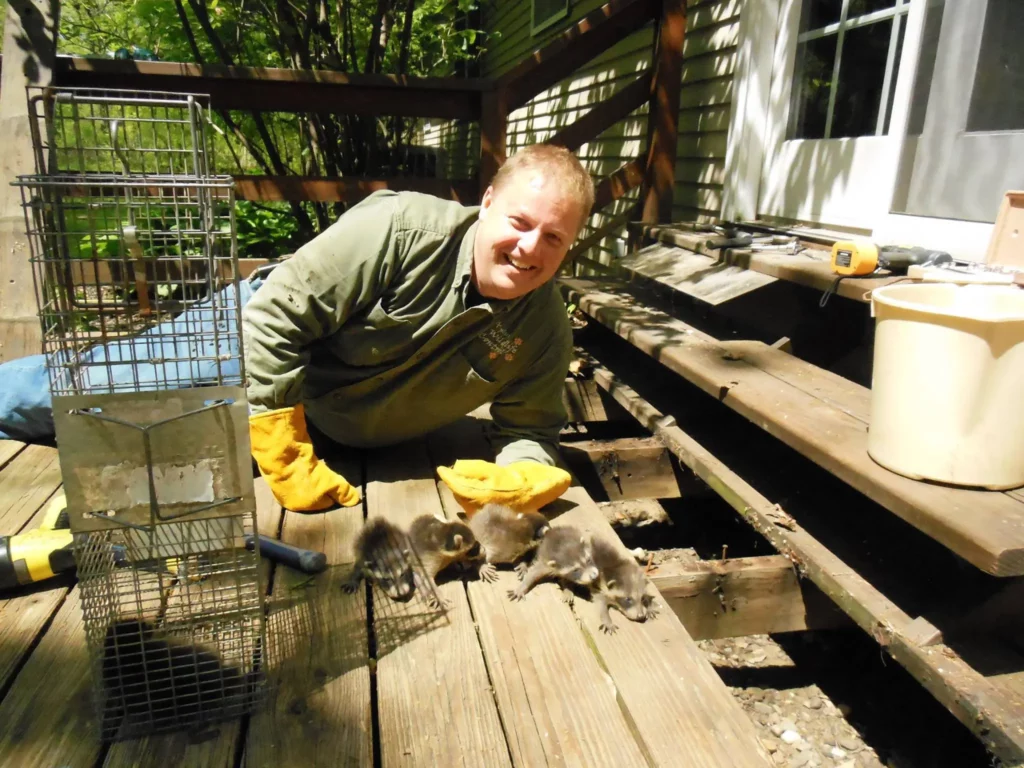
More complex situations—like squirrels nesting in roof vents or raccoons living under a deck—cannot be solved in one trip. State wildlife regulations and humane trapping laws require technicians to check live traps frequently, often every 24 hours. Instead of billing you separately every time a truck pulls into your driveway, many companies bundle the initial inspection, trap setup, daily monitoring visits, and animal relocation into a single project quote.
The Initial Inspection Fee
Before setting a single trap, a technician needs to inspect your property to identify the species, locate entry points, and assess structural damage. Most companies charge an initial inspection fee ranging from $75 to $200, depending on the size of your home and the difficulty of accessing areas like steep roofs or tight crawlspaces.
In many cases, providers will waive or credit this diagnostic fee toward the total cost of removal if you hire them on the spot. Asking about this policy when scheduling your appointment helps you avoid surprise charges during the consultation phase.
Single-Trip Removal vs. Multi-Visit Trapping Programs
Understanding the difference between one-off extractions and multi-day trapping helps set realistic budget expectations. If an opossum wanders into your garage and gets cornered, a technician can often capture it by hand or with a catchpole during that first visit. You pay the base service call rate, and the issue is resolved immediately.
Conversely, nocturnal or elusive animals hidden inside wall voids require patience. A multi-visit program might span three to seven days, involving bait adjustments, trap checks, and confirmation that no juvenile animals were left behind. While the upfront number looks higher than a single-visit fee, the cost per individual trip drops significantly when bundled into a multi-day package.
Average Wildlife Control Costs by Animal Species
The type of animal invading your property is the single biggest driver of your total expense. Small rodents and yard pests require less labor and simpler equipment than large mammals or federally protected species.
Bats and Birds
Bats and certain bird species carry strict legal protections at both state and federal levels. Because lethal traps and poisons are illegal for bat colonies, technicians rely on one-way exclusion devices. These valves allow bats to fly out at dusk to feed while preventing them from re-entering your attic. Basic bat removal for one or two stray animals inside living quarters costs roughly $190 to $300 per visit, whereas full colony exclusion ranges from $230 to $700. Bird removal typically falls between $100 and $650, depending on whether the technician is clearing a single dryer vent or installing deterrents across a roofline.
Squirrels, Rats, and Mice
Rodents are among the most common attic and crawlspace intruders. Removing a few squirrels using live-capture cage traps usually costs between $200 and $600. General rodent control for rats and mice starts around $160 to $200 for an initial inspection and trap placement, with total removal programs averaging $175 to $550. Larger infestations inside commercial buildings or multi-story homes require additional follow-up visits to ensure the entire colony is cleared.
Raccoons, Skunks, and Opossums
Larger mammals pose greater physical risks and require heavy-duty trapping equipment. Raccoons are strong enough to tear open roof vents and soffits, and removing them typically costs $385 to $615. If a mother raccoon has given birth in your attic, the technician must locate and hand-remove the babies to use as live bait or safely reunite them outside, which can push costs toward $750. Skunk removal ranges from $300 to $600 due to the specialized traps needed to prevent spraying, while opossum extraction generally runs $150 to $500.
Snakes and Yard Burrowers
In warm, coastal regions like the South Carolina Lowcountry, snakes frequently enter yards, sheds, and crawlspaces. Because snake removal is usually an immediate, single-visit service rather than an ongoing trapping campaign, fees typically range from $100 to $250. Yard burrowers like moles and groundhogs also stay outdoors, keeping removal costs relatively affordable at $100 to $200 for groundhogs and $100 to $550 for extensive mole trapping.
Typical Wildlife Removal Cost Breakdown by Animal and Service Type
The table below summarizes national and regional cost ranges for common nuisance wildlife encounters, helping you compare single-visit fees against full removal projects.
| Wildlife Species or Service | Typical Cost Range | Standard Removal Method | Common Visit Structure |
| Initial Inspection / Consultation | $75 – $200 | Visual property & attic audit | Single diagnostic visit (often credited) |
| Dead Animal Removal | $150 – $250 | Manual extraction & spot deodorizing | Single visit (unless wall access is needed) |
| Snake Removal | $100 – $250 | Catchpole capture & habitat relocation | Single emergency or scheduled visit |
| Opossum Removal | $150 – $500 | Live cage trapping & relocation | 1 to 3 visits |
| Squirrel Removal | $200 – $600 | Live trapping or one-way exclusion doors | Multi-visit over 3–7 days |
| Raccoon Removal | $385 – $615 | Heavy-duty live traps & nest extraction | Multi-visit with daily trap checks |
| Skunk Removal | $300 – $600 | Covered low-profile live traps | Multi-visit over 2–5 days |
| Bat Colony Exclusion | $230 – $700 | One-way exit valves & gap sealing | 2 visits (install & valve removal) |
| Rodent Control (Rats & Mice) | $175 – $550 | Snap traps, live traps, & bait stations | Initial setup + 1–3 follow-up checks |
Key Factors That Increase Your Per-Visit Bill
Even when dealing with the same species, two neighbors can receive very different quotes. Wildlife specialists calculate labor and risk based on the specific conditions of your property.
Location and Accessibility of the Nest
Removing an animal from a ground-level shed takes far less time and equipment than extracting a nest from a third-story gable vent. If technicians must set up 32-foot extension ladders, wear fall-arrest harnesses on steep roofs, or crawl through cramped, unlit subfloors, labor charges rise accordingly. Difficult access increases the time spent on-site during every single follow-up check.
Severity and Population Size
A lone squirrel that accidentally fell down a chimney is a quick fix. A family of six squirrels that has spent the winter chewing through soffits and building multiple nests requires more traps, more bait, and additional return trips. Larger infestations also increase the likelihood that animals have spread into multiple zones of the house, such as moving from the attic down into interior wall cavities.
Emergency and After-Hours Calls
Wildlife emergencies rarely happen during standard business hours. Discovering a bat flying around your bedroom at midnight or a venomous snake near your back door requires immediate attention. Most wildlife control companies offer 24/7 dispatch, but after-hours, weekend, or holiday visits usually carry an emergency surcharge of $50 to $150 on top of standard removal rates.
Seasonal Timing and Breeding Cycles
Spring and late summer represent peak breeding seasons for many nuisance mammals. When babies are present, technicians cannot simply seal an entry hole or set standard traps without risking trapped juveniles dying inside your walls. Managing maternity colonies requires careful hand-extraction and specialized relocation protocols, which add labor hours and extra visits to the schedule.
Additional Services Beyond Trapping: Exclusion and Restoration
Capturing the animal is only the first phase of professional wildlife management. If you remove a raccoon without repairing the torn vent it used to enter, another raccoon will likely move into the same warm space within weeks.
Wildlife Exclusion and Entry-Point Sealing
Exclusion involves fortifying your home against future intrusions using heavy-gauge galvanized steel mesh, metal flashing, chimney caps, and industrial sealants. Minor exclusion—such as screening a single gable vent or sealing a small foundation gap—is sometimes included in a standard removal quote. However, full-home exclusion on older properties with multiple rooflines can cost anywhere from $750 to $2,000 or more. While it represents a larger upfront investment, exclusion prevents recurring per-visit trapping bills.
Biohazard Cleanup and Attic Restoration
Wild animals leave behind urine, feces, nesting debris, and parasites like fleas or mites. Raccoon latrines can carry roundworm eggs, while accumulated bat guano poses respiratory risks from fungal spores. Basic spot sanitization and dead animal deodorizing usually cost $150 to $250. If heavy contamination ruins your attic insulation or requires full biohazard remediation, cleanup and replacement expenses can range from $500 to over $2,500 depending on square footage.
Structural Repairs
Rodents and larger mammals frequently damage wiring, tear apart HVAC ductwork, and chew through wooden trim. Repairing chewed electrical wires averages $2 to $4 per square foot, damaged ductwork runs $12 to $25 per linear foot, and siding or drywall patches typically cost $300 to $1,400. Checking whether your wildlife specialist handles minor carpentry or if you will need a separate contractor helps you plan your total budget.
Practical Ways to Keep Wildlife Control Costs Manageable
While you should never compromise safety by handling wild animals yourself, a few smart steps can keep service costs predictable.
First, act as soon as you hear scratching, thumping, or scurrying. Calling a professional during the first week of an intrusion often means dealing with a single animal rather than an established litter, saving hundreds of dollars in trapping and insulation repairs.
Second, request an itemized written estimate before authorizing work. Ask the technician to separate the diagnostic fee, trapping visits, exclusion materials, and cleanup costs. Clear line items let you compare quotes accurately across local providers and ensure you are not paying for unnecessary recurring pest sprays when you only need targeted wildlife exclusion.
Finally, check your homeowners insurance policy if an animal causes sudden, accidental damage—such as a squirrel chewing through a roof pipe or a raccoon tearing down a ceiling panel. While insurers rarely cover routine trapping or gradual rodent neglect, some policies reimburse structural repairs caused by unexpected wildlife intrusions.
Conclusion
Professional wildlife control pricing depends heavily on the species involved, how many visits are needed to clear the property, and whether your home requires exclusion or cleanup afterward. Single-trip removals for accessible animals generally cost between $100 and $250, while multi-visit trapping and exclusion projects average $200 to $700 before major structural repairs. Addressing early warning signs promptly keeps infestations small, protects your home from costly insulation or wiring damage, and reduces the total number of technician visits required. If you suspect an animal has moved into your attic or crawlspace, scheduling a thorough inspection is the safest first step toward a permanent solution.
Frequently Asked Questions
Does homeowners insurance cover wildlife control visits?
Most standard homeowners insurance policies do not cover the cost of trapping or removing wild animals, as insurers classify pest and wildlife management as routine home maintenance. However, if a wild animal causes sudden, accidental structural damage—such as tearing through a roof vent during a storm or damaging interior drywall—your policy may help pay for the physical repairs after your deductible.
How many visits does a typical wildlife removal job take?
A straightforward extraction of a visible animal in a yard, garage, or fireplace usually takes just one visit. Infestations inside attics, walls, or crawlspaces typically require between two and five visits spread over a week so technicians can set traps, monitor captures daily, and seal entry points once the animals are gone.
Why is wildlife removal more expensive than regular pest control?
Regular pest control relies on standardized chemical treatments applied quickly around a home’s perimeter. Wildlife control requires specialized live-trapping equipment, climbing gear for roofs and chimneys, knowledge of state wildlife relocation laws, and physical carpentry skills to seal animal entry points permanently.
Can city or county animal control remove wild animals for free?
Municipal animal control departments generally handle stray domestic pets, injured wildlife, or immediate public safety threats like an aggressive animal in a public area. They rarely enter private attics, crawlspaces, or roofs to trap nuisance wildlife, meaning homeowners must hire a licensed private wildlife specialist for structural intrusions.
Should I buy my own traps to save money on service visits?
Setting store-bought traps often backfires for inexperienced homeowners. Many states regulate where and how wild animals can be trapped or relocated, and improper trapping can separate a mother from her babies inside your attic, leading to severe odor and property damage. Hiring a licensed professional ensures humane, legal removal and addresses the entry points so the problem does not return.