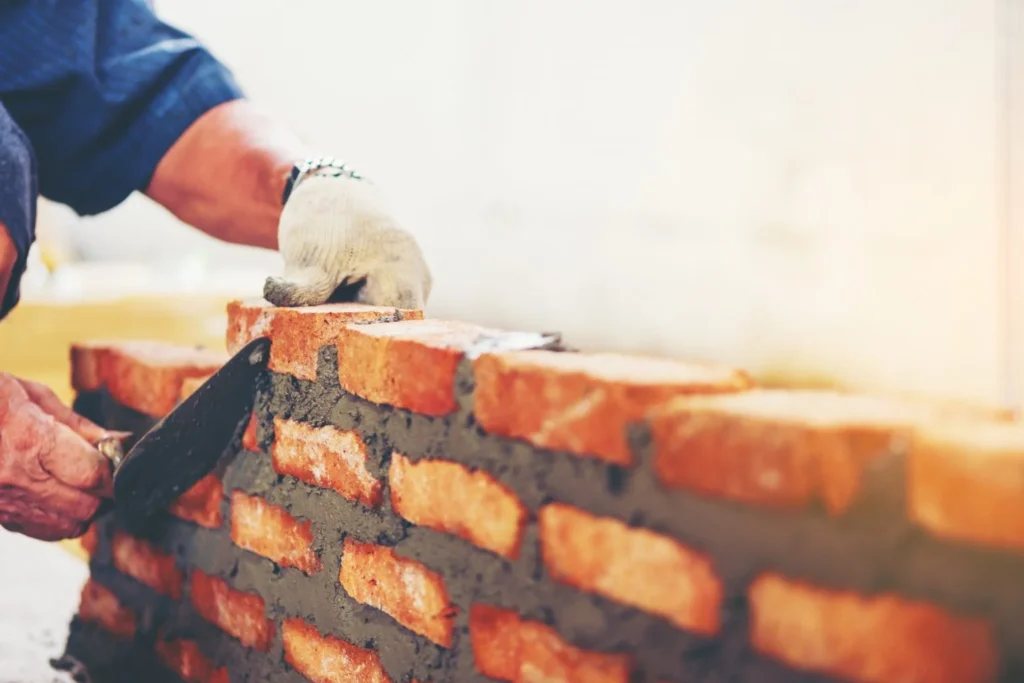
A building’s strength is only as reliable as the materials and workmanship behind it. Masonry plays a major role in creating walls and structures that can withstand everyday wear, weather, fire, and other stresses. For property owners and construction professionals, choosing a qualified Masonry Contractor Near Me can make a meaningful difference in long-term performance. With proper design, materials, and installation, masonry can improve both safety and durability.
How Masonry Supports Building Safety
Safety begins with a structure that can handle the forces placed on it. Masonry construction uses materials such as brick, concrete block, and stone to create solid walls that provide stability and protection.
When properly designed and installed, masonry walls can resist several common building stresses. These include compression, weather exposure, impact, and, depending on the system, lateral forces from wind or other loads.
A skilled Masonry Contractor understands how materials, wall design, reinforcement, mortar, and connections work together. This attention to detail helps reduce construction defects that could eventually affect a building’s performance.
Key Ways Masonry Improves Structural Strength
Masonry offers several characteristics that make it useful in residential, commercial, and institutional construction.
Strong Resistance to Compression
Masonry materials generally perform well when subjected to compressive loads. This makes them suitable for walls, foundations, columns, and other structural applications designed to carry weight.
The strength of a masonry assembly depends on more than the individual blocks or bricks. Mortar quality, workmanship, reinforcement, wall thickness, and construction methods all contribute to the final result.
Greater Resistance to Impact
Exterior walls face constant exposure to accidental impacts, equipment, debris, and severe weather. A properly constructed masonry wall can provide a durable barrier against many of these everyday challenges.
This durability can be especially valuable for commercial properties, garages, warehouses, and buildings located in areas where harsh weather is common.
Improved Stability
Masonry walls add substantial mass and rigidity to a building. When integrated correctly with the rest of the structural system, they can help improve overall stability.
However, masonry should always be designed according to the building’s specific requirements. Structural engineers and qualified contractors should determine whether reinforcement, movement joints, anchors, or other measures are necessary.
Masonry Materials and Their Safety Benefits
Different masonry materials offer different advantages. Selecting the right option depends on the building’s purpose, local conditions, design requirements, and budget.
| Masonry Material | Main Strength | Common Applications |
|---|---|---|
| Brick | Durability and weather resistance | Exterior walls, facades, partitions |
| Concrete Block | Strength and versatility | Structural walls, foundations, commercial buildings |
| Stone | Durability and mass | Retaining walls, exterior features, foundations |
| Reinforced Masonry | Added structural capacity | Load-bearing and high-demand structures |
| Mortar | Bonds masonry units together | Brick, block, and stone construction |
A knowledgeable Masonry Contractor can help determine which material and construction method best fits a project.
Fire Resistance Adds an Important Layer of Protection
Fire safety is another major advantage of masonry construction. Many masonry materials are noncombustible, which means they do not provide fuel for a fire in the same way that many combustible building materials can.
Masonry walls can be designed as part of fire-rated assemblies where required. Their ability to resist heat and flames can help slow the spread of fire and provide additional time for occupants to evacuate.
Still, fire performance depends on the complete wall assembly, including its thickness, materials, penetrations, joints, and construction details. Contractors should follow applicable building codes and project specifications rather than assuming every masonry wall has the same fire rating.
Masonry Helps Protect Buildings From Severe Weather
Buildings must deal with rain, wind, temperature changes, and sometimes snow, hurricanes, or other extreme conditions. Masonry can provide a durable exterior barrier when it is properly designed for the local climate.
Resistance to Moisture Problems
Water infiltration can cause staining, deterioration, mold-related concerns, and damage to interior finishes. Proper flashing, drainage, sealants, weep systems, and correctly installed masonry are important for keeping unwanted moisture out.
The masonry itself is only one part of the moisture-control system. Good construction details allow water that enters the exterior wall system to drain safely instead of becoming trapped.
Protection Against Wind
Strong winds can place significant pressure on exterior walls. Masonry walls can provide substantial resistance when they are correctly connected to the building structure and designed for expected wind loads.
In areas exposed to hurricanes or severe storms, construction should follow applicable local codes and engineering requirements. Reinforcement and secure connections may be particularly important.
Proper Workmanship Is Essential
Even high-quality masonry materials can perform poorly when installation is rushed or improperly completed. Workmanship has a direct impact on the strength, appearance, moisture resistance, and service life of a masonry assembly.
A qualified contractor should pay attention to details such as:
- Correct mortar selection and mixing
- Proper alignment and level
- Adequate joint tooling
- Correct placement of reinforcement
- Proper flashing and drainage
- Appropriate curing practices
- Expansion or movement joints where required
- Secure connections between masonry and other structural elements
These details may seem small during construction, but they can have a major effect on long-term performance.
How Quality Masonry Can Reduce Future Repairs
Preventive construction is usually more practical than repeatedly fixing avoidable problems. Strong masonry work can help reduce the likelihood of cracks, water penetration, loose units, and premature deterioration.
For example, improperly installed flashing can allow water to enter a wall system. Over time, that moisture may damage surrounding materials. Addressing drainage and flashing correctly during construction can prevent a much larger repair later.
Similarly, uncontrolled movement can contribute to cracking. Proper joint placement and structural detailing help masonry accommodate expected movement without unnecessary damage.
Choosing the Right Masonry Contractor
The contractor you choose can have as much influence on project quality as the materials themselves. Before hiring a professional, property owners and construction managers should evaluate experience, workmanship, communication, and knowledge of applicable building requirements.
What to Look For
Consider these factors when comparing contractors:
- Relevant experience: Look for experience with projects similar to yours.
- Quality of previous work: Ask to see completed masonry projects when possible.
- Understanding of building requirements: The contractor should be familiar with applicable codes and project specifications.
- Clear estimates: A detailed proposal should explain the scope, materials, labor, and major project requirements.
- Attention to structural details: Ask how the contractor handles reinforcement, joints, flashing, drainage, and connections.
- Professional communication: Reliable communication can prevent misunderstandings during construction.
Do not select a contractor based solely on the lowest price. An unusually low bid may leave out important materials, preparation, or installation steps.
Maintenance Keeps Masonry Performing Longer
Even durable masonry needs periodic inspection and maintenance. Small defects can become more expensive when they are ignored for years.
Property owners should periodically look for:
- Cracked or deteriorated mortar joints
- Loose or damaged masonry units
- Water stains
- Efflorescence
- Damaged flashing or sealants
- Cracks around windows and doors
- Signs of wall movement
- Vegetation growing against masonry
Some cracks are cosmetic, while others can indicate movement or structural concerns. If a crack is widening, recurring, accompanied by displacement, or associated with other signs of movement, a qualified professional should evaluate it.
Masonry Is a Long-Term Construction Investment
One of masonry’s biggest advantages is its potential for long service life. Properly designed and maintained masonry can continue performing for decades while requiring relatively straightforward maintenance.
Its durability also makes it suitable for buildings that need to withstand frequent use. Schools, offices, apartment buildings, retail properties, industrial facilities, and homes can all benefit from masonry systems selected and installed for their specific requirements.
The key is to view masonry as part of an integrated building system rather than as a simple wall material. Structural design, moisture management, materials, workmanship, and maintenance must work together.
Practical Tips for Safer Masonry Construction
Construction teams can improve masonry performance by following a few practical principles:
- Use materials that meet the project specifications.
- Follow engineered structural details carefully.
- Keep masonry units and mortar protected from contamination.
- Maintain proper alignment throughout installation.
- Install reinforcement exactly as specified.
- Provide appropriate drainage and flashing.
- Allow mortar and masonry assemblies to cure properly.
- Inspect completed work before covering important details.
- Repair minor defects before they develop into larger problems.
- Schedule periodic inspections after construction.
These steps help create a more dependable structure while reducing the chance of expensive corrections later.
Conclusion
Masonry can contribute significantly to the safety, strength, and durability of a building when it is properly designed, installed, and maintained. Its resistance to compression, impact, weather, and fire makes it a practical choice for many construction applications. However, material selection alone does not guarantee performance. Proper reinforcement, drainage, connections, workmanship, and maintenance are equally important. Working with an experienced Masonry Contractor helps ensure these details receive the attention they deserve. By treating masonry as a complete building system rather than simply a wall material, property owners can create structures that remain strong, dependable, and functional for many years.
FAQs
1. Is masonry strong enough for structural walls?
Yes. Masonry can be used for structural and load-bearing walls when it is properly engineered, reinforced where necessary, and constructed according to applicable building requirements.
2. Does masonry improve fire safety?
Many masonry materials are noncombustible and can provide strong fire-resistance characteristics. However, the actual fire rating depends on the complete wall assembly and its construction details.
3. Can masonry protect buildings from severe weather?
Properly designed masonry can provide excellent durability against rain, wind, and other environmental stresses. Local conditions and building-code requirements should guide material selection and structural design.
4. How often should masonry buildings be inspected?
There is no single schedule for every property, but periodic visual inspections are useful. Owners should also arrange professional evaluations when they notice significant cracking, water infiltration, displacement, or other unusual changes.
5. How do I choose a reliable Masonry Contractor?
Compare contractors based on relevant experience, completed projects, workmanship, communication, project estimates, and understanding of structural and building-code requirements. Avoid choosing solely on the lowest price.
