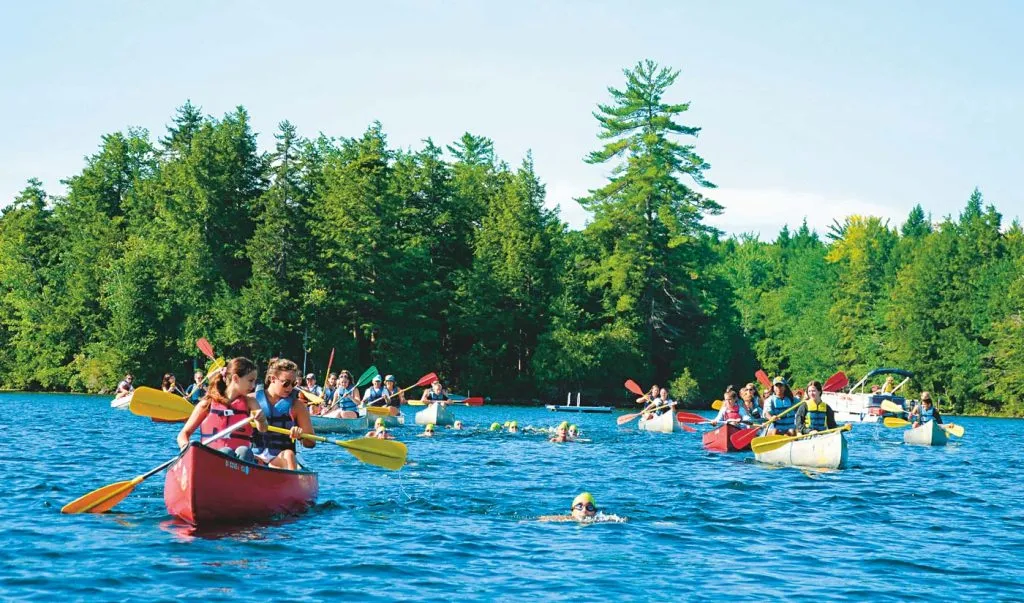
Making friends, sharing ideas, and working through disagreements are important skills that help children succeed in school and everyday life. However, some children need more opportunities to practice these abilities outside the classroom. A well-planned summer camp in Davie can provide a welcoming environment where children interact with peers, participate in group activities, and learn to express themselves confidently. Through meaningful experiences, children can strengthen their social skills while enjoying a summer filled with friendship, discovery, and personal growth.
How Summer Camp Encourages Children to Make New Friends
Meeting new people can feel exciting for some children and intimidating for others. A summer camp gives children regular opportunities to interact with peers who may have different personalities, interests, and backgrounds. Instead of relying on familiar classmates or neighborhood friends, children learn how to introduce themselves, start conversations, and discover shared interests.
For example, a child who enjoys drawing might connect with another camper during an art activity. Similarly, children who participate in outdoor games can build friendships by encouraging teammates and celebrating shared achievements.
These experiences teach children that friendships often develop through small, everyday interactions. A friendly greeting, a shared laugh, or an offer to help can become the beginning of a meaningful relationship.
Helping Shy Children Feel Comfortable in Social Settings
Children develop social confidence at different rates. Some readily join group conversations, while others prefer to observe before participating. A supportive summer camp environment allows children to engage at their own pace without feeling pressured to become outgoing overnight.
Camp counselors can help by introducing children to small groups, pairing them with welcoming peers, and encouraging participation in activities that match their interests. Simple opportunities, such as choosing a team partner or contributing an idea during a craft project, can make social interaction feel more manageable.
Parents can reinforce this progress by asking children about positive interactions after camp. Rather than asking only whether they made friends, try asking, “Who did you enjoy spending time with today?” This question encourages children to recognize the connections they are beginning to build.
Why Group Activities Teach Children the Value of Teamwork
Teamwork is an essential social skill that helps children cooperate with others, share responsibilities, and work toward common goals. Summer camp activities often create natural opportunities for children to practice these behaviors in enjoyable, low-pressure situations.
Consider a group challenge in which campers must build a structure using craft materials. One child may suggest a design, another may organize supplies, and a third may help assemble the pieces. To complete the task successfully, everyone must listen, contribute, and respect the group’s decisions.
These activities show children that success does not always depend on individual performance. Sometimes, the best results come from combining different strengths and supporting one another.
Learning to Share Responsibilities and Celebrate Others
Children sometimes struggle when they want to lead every activity or receive recognition for their efforts. Group experiences help them understand that everyone deserves an opportunity to contribute.
During team games, for instance, children learn to take turns, follow agreed-upon rules, and recognize the efforts of their teammates. They also discover that encouraging someone else can be just as important as performing well themselves.
Parents can strengthen these lessons by discussing what children contributed to a group rather than focusing exclusively on winning. Questions such as “How did your team solve the problem?” or “How did you help another camper?” encourage children to appreciate cooperation and shared responsibility.
How Summer Camp Improves Communication Skills
Good communication involves more than speaking clearly. Children also need to listen carefully, understand other people’s perspectives, recognize social cues, and explain their own thoughts respectfully.
At camp, children practice these abilities throughout the day. They ask counselors for instructions, discuss game rules with peers, explain their ideas during creative projects, and participate in conversations during breaks. Each interaction provides an opportunity to develop more effective communication habits.
For example, a child who wants to join a game must learn how to ask politely rather than interrupting or demanding attention. Another child may practice explaining why a particular activity feels uncomfortable. With regular encouragement, these everyday moments can help children communicate more clearly and appropriately.
Practicing Active Listening and Respectful Conversation
Active listening means paying attention to what another person says instead of thinking only about what to say next. This skill helps children build stronger friendships because it shows others that their thoughts and feelings matter.
Camp counselors can encourage active listening through storytelling, group discussions, partner activities, and games that require children to follow verbal directions. Children learn to wait for their turn, ask relevant questions, and respond to what others have shared.
Parents can reinforce these habits at home by allowing children to finish their thoughts without interruption. They can also model respectful disagreement by explaining their opinions calmly and acknowledging different viewpoints.
Over time, children may become better at recognizing when to speak, when to listen, and how to keep a conversation going naturally.
Building Empathy Through Everyday Camp Experiences
Empathy is the ability to recognize and understand another person’s feelings. It helps children respond thoughtfully when someone feels disappointed, excluded, nervous, or upset.
A summer camp brings children together in situations where empathy becomes practical rather than abstract. A camper might notice that a new participant is sitting alone, offer assistance to someone struggling with an activity, or comfort a teammate who feels disappointed after losing a game.
These moments help children consider experiences beyond their own. They begin to understand that people may react differently to the same situation and that kindness can make a meaningful difference.
Understanding Different Personalities and Perspectives
Children do not always agree about games, activities, or the best way to complete a task. Working alongside peers with different preferences helps them understand that disagreement does not have to damage a friendship.
For instance, one child may prefer an energetic outdoor game while another enjoys a quiet art project. When they learn to respect these differences and take turns choosing activities, they practice flexibility and consideration.
A supportive camp environment can also help children recognize unfair behavior and understand why including others matters. Counselors who model kindness and address exclusion constructively reinforce the idea that every child deserves respect.
These lessons can extend beyond camp, helping children interact more thoughtfully with classmates, siblings, and members of their communities.
Teaching Children to Resolve Conflicts Constructively
Disagreements are a normal part of growing up. Children may argue over game rules, compete for materials, misunderstand a friend’s comment, or become frustrated when a group decision does not go their way.
Although adults may feel tempted to solve every problem immediately, appropriate guidance can help children develop their own conflict-resolution skills. Camp provides opportunities to practice identifying problems, explaining feelings, listening to other perspectives, and finding fair solutions.
For example, two campers might want to use the same piece of sports equipment. Instead of allowing the disagreement to escalate, a counselor can guide them toward taking turns, sharing the equipment, or agreeing on a schedule.
Learning to Apologize, Compromise, and Move Forward
Resolving a disagreement requires more than deciding who is right. Children need to understand how their actions affect others and learn how to repair relationships when something goes wrong.
With adult guidance, they can practice using statements such as “I felt upset when that happened” rather than making accusations. They can also learn to apologize sincerely, accept reasonable compromises, and recognize when they need help from a trusted adult.
The following table summarizes common camp experiences and the social skills children can develop through them.
| Camp Experience | Social Skill Developed | Practical Benefit |
|---|---|---|
| Team sports and group games | Cooperation | Children learn to work toward shared goals. |
| Art and creative projects | Communication | Children express ideas and respect others’ contributions. |
| Partner challenges | Problem-solving | Children discuss options and find solutions together. |
| Group conversations | Active listening | Children pay attention and respond thoughtfully. |
| Welcoming a new camper | Empathy | Children become more aware of others’ feelings. |
| Resolving a disagreement | Conflict management | Children practice compromise and respectful communication. |
| Taking turns during activities | Patience and fairness | Children learn to share opportunities and resources. |
These benefits are most likely to develop when activities are age-appropriate and counselors provide consistent, constructive guidance. Not every child will master these skills immediately, but repeated practice can help social behaviors become more natural.
How Camp Activities Strengthen Confidence and Independence
Children often gain confidence when they discover that they can handle unfamiliar situations successfully. Summer camp offers opportunities to make choices, try new activities, ask for assistance, and interact with people outside their usual social circles.
A child who initially hesitates to join a group might gradually begin participating in games. Another child may volunteer to explain the rules of an activity or help organize a team project. Each small achievement can strengthen the child’s belief in their own abilities.
Confidence also develops when children learn to manage everyday responsibilities. Following activity instructions, keeping track of belongings, and making appropriate choices encourage independence while helping children understand their role within a group.
Encouraging Children to Step Outside Their Comfort Zones
Healthy social growth does not mean forcing every child to participate in every activity. Instead, it involves offering manageable challenges and providing encouragement when children are ready to try something new.
Parents can support this process by asking what activities their children enjoyed and which ones felt difficult. Acknowledging effort, rather than demanding immediate success, helps children see mistakes and awkward moments as normal parts of learning.
When choosing a summer camp, parents should look for counselors who encourage participation without embarrassing children or comparing them with more outgoing peers. A safe and welcoming atmosphere allows children to take social risks while knowing that support is available when they need it.
Why Inclusive Camp Environments Matter for Social Growth
Children learn valuable social lessons when they interact with peers whose abilities, experiences, communication styles, and interests differ from their own. An inclusive camp environment helps children understand that people can participate in different ways and still make meaningful contributions.
For example, a counselor might adapt a group activity so that children with different physical abilities can participate together. Another activity may allow campers to contribute through drawing, speaking, organizing materials, or offering suggestions. These options give more children a chance to feel involved.
Inclusion also means responding appropriately when a child feels left out. Counselors can encourage welcoming behavior, establish clear expectations for respectful treatment, and intervene when teasing or exclusion occurs.
Parents evaluating a summer camp should ask how staff handle bullying, support children who struggle socially, and help new campers become part of the group. These practices can make a significant difference in whether children feel comfortable building friendships.
Choosing a Summer Camp That Supports Social Development
Not every camp offers the same opportunities for social learning. Parents should consider whether the program provides a balanced mix of structured activities, cooperative play, creative experiences, and time for children to interact naturally.
A quality program should also have attentive counselors who model respectful communication, establish clear behavioral expectations, and guide children through disagreements. Children benefit when adults provide enough support to keep activities safe while allowing them to practice age-appropriate independence.
When researching a summer camp in Davie, families should look beyond the activity schedule and ask how the program supports friendship-building and emotional development. A camp may offer exciting sports and crafts, but the way staff encourage participation and manage group interactions is equally important.
Before enrolling, consider asking these questions:
- How do counselors help shy or first-time campers join group activities?
- What steps does the camp take to prevent bullying and exclusion?
- Do activities encourage cooperation rather than competition alone?
- How do staff respond when children disagree or have difficulty sharing?
- Are activities adapted to accommodate different developmental needs?
Parents should also consider their child’s interests, age, comfort level, and individual needs. Children are more likely to participate meaningfully when activities feel enjoyable and appropriately challenging.
How Parents Can Reinforce Social Skills After Camp
Social development continues after the camp day ends. Parents can help children apply what they learn by creating opportunities for conversation, cooperation, and independent problem-solving at home.
Start by asking specific questions about daily experiences. Instead of asking only, “Did you have fun?” try asking, “Did you help anyone today?” or “What did you do when your group disagreed?” These questions help children reflect on their behavior without making every conversation feel like a test.
Families can also reinforce social skills through board games, shared household tasks, neighborhood playdates, and collaborative projects. Activities that require turn-taking, negotiation, and shared decision-making provide additional practice in familiar surroundings.
Most importantly, adults should model the behaviors they want children to develop. Listening patiently, apologizing after a mistake, respecting different opinions, and expressing frustration calmly show children how healthy social interactions work in everyday life.
Parents should remember that progress may appear gradually. A child might become more willing to greet others, recover more quickly from a disagreement, or show greater consideration for a sibling. Recognizing these small improvements helps children understand that social skills develop through practice, patience, and encouragement.
Conclusion
Summer camp offers children much more than a break from school. It creates meaningful opportunities to build friendships, communicate clearly, cooperate with others, manage disagreements, and develop empathy. Through supportive guidance and engaging group experiences, children can practice the social skills they need for school, family relationships, and future interactions. When choosing a summer camp, parents should look for an inclusive environment with caring counselors and activities that encourage participation, teamwork, and independence. By reinforcing these lessons at home, families can help children turn their camp experiences into lasting habits that support stronger relationships and greater confidence.
Frequently Asked Questions
1. How does summer camp help children develop social skills?
Summer camp gives children regular opportunities to interact with peers, practice communication, share responsibilities, and solve problems together. These experiences can help children develop friendship-building, teamwork, empathy, and conflict-resolution skills.
2. Can summer camp help a shy child make friends?
Yes. A supportive camp can help shy children build confidence through small-group activities, shared interests, and guided introductions. Children should receive encouragement without pressure to socialize before they feel ready.
3. Which summer camp activities are best for improving social skills?
Team sports, cooperative games, creative projects, storytelling, group challenges, and partner activities can all support social development. Activities that encourage listening, collaboration, and respectful decision-making are particularly useful.
4. How can parents tell whether a summer camp supports social development?
Parents can ask about counselor training, bullying prevention, group activities, conflict-resolution practices, and support for children who need help joining others. Observing how staff interact with campers can also provide useful insight.
5. How long does it take for children to improve their social skills at camp?
Progress varies depending on a child’s age, personality, previous experiences, and the camp environment. Some children may become more comfortable interacting within a few days, while others need longer and continued opportunities to practice. Consistent encouragement at camp and home can help reinforce progress.