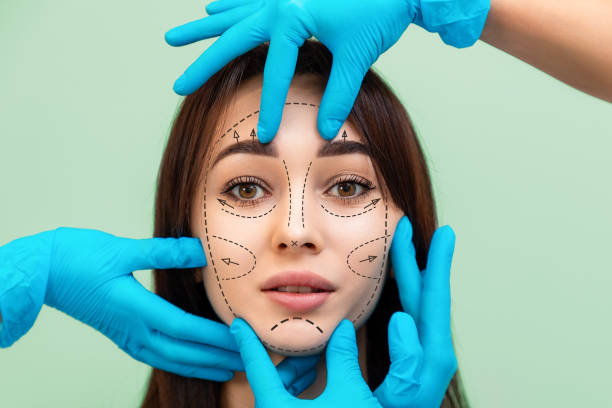
Facial skin changes over time as collagen and elastin gradually decline, while facial tissues lose some of their firmness. These changes can create deep creases, loose skin and a less defined jawline. Facelift in Abu Dhabi is a surgical option designed to reposition underlying tissues and remove or redistribute excess skin, helping soften prominent wrinkles and restore a smoother facial contour. Its aim is not to erase every line, but to create a refreshed appearance that still looks like the person.
Understanding Deep Facial Wrinkles
Deep wrinkles are different from fine surface lines. They often become more noticeable when the face is at rest and may appear alongside sagging skin. Creases around the mouth, folds between the nose and corners of the lips, and loose skin along the lower cheeks can be linked to changes in facial support as well as repeated expressions and environmental exposure.
A facelift focuses mainly on the lower face and, depending on the individual’s needs, may address the cheeks, jawline and neck. By adjusting deeper facial tissues rather than simply tightening the skin’s surface, the procedure can reduce the appearance of folds caused or emphasized by sagging. It does not stop the natural aging process, and results vary according to anatomy, skin quality and the surgical approach.
How a Facelift Softens Wrinkles
Repositioning Deeper Facial Tissues
A surgeon may lift and reposition supportive tissue beneath the skin. As this tissue is returned to a more elevated position, the skin above it can lie more smoothly. This can soften deep folds that have become more pronounced as the cheeks and lower face descended over time.
The change is generally intended to support the facial structure, not pull the skin tightly. A natural-looking result depends on careful adjustments suited to the person’s features. When the underlying support is improved, the face may look smoother while retaining its characteristic expression.
Removing or Redraping Excess Skin
Loose skin can gather into creases around the cheeks, jaw and neck. During a facelift, excess skin may be removed, while remaining skin is gently redraped over the adjusted contours. This can reduce laxity and make certain wrinkles less visible.
Skin treatment alone cannot always address folds that are connected to deeper tissue changes. Combining tissue repositioning with appropriate skin redraping allows the procedure to address more than one contributor to an aged appearance.
Improving the Lower-Face Contour
Deep lines do not appear in isolation. Sagging along the cheeks can deepen folds near the mouth, while loose skin at the jaw may make the lower face look heavier. A facelift can improve the transition between these areas by creating a clearer jawline and lifting descended tissues.
This contour change may make facial creases appear less prominent even when the procedure does not directly remove each line. The overall effect can be a more rested appearance rather than a completely different face.
What a Facelift Can and Cannot Address
A facelift may be suitable for people whose main concerns include loose lower-face skin, deeper folds and reduced definition around the jawline. It is not designed to change a person’s identity or stop future aging. The face continues to change naturally, although the improvements from surgery may remain visible for years.
The procedure may have limited effect on fine lines caused mostly by surface texture, sun exposure or repeated muscle movement. Lines on the forehead and around the eyes are also outside the focus of many standard facelifts. In some cases, a separate approach may be discussed, but the right plan depends on the person’s facial structure and goals.
A Personal Consultation
A careful consultation helps determine whether a facelift suits the individual’s concerns. The discussion may cover the location and depth of wrinkles, skin elasticity, general health, expectations and the areas the person hopes to improve. The surgical plan should be based on facial anatomy rather than a one-size-fits-all idea of a youthful appearance.
A person can ask how the procedure is expected to affect particular folds, which areas may remain unchanged and what kind of result is realistic. Clear communication helps align expectations and supports an informed decision. The goal is a balanced improvement that respects the person’s natural features.
What to Expect from the Result
After healing, the face may appear smoother and firmer, especially through the cheeks and lower face. Deep folds can become softer, and the jawline may look more defined. The outcome is usually a reduction in the prominence of wrinkles rather than their complete disappearance.
Results differ from person to person. Skin quality, facial structure, the amount of tissue laxity and the chosen technique all contribute. Photographs and a consultation can help a person understand likely changes, but they cannot guarantee an identical result to someone else’s.
Frequently Asked Questions
Does a facelift remove every deep wrinkle?
No. A facelift can soften wrinkles related to sagging skin and displaced facial tissues, but it may not erase every crease. Fine lines and wrinkles linked to facial movement or skin texture may remain.
Does a facelift make the face look unnatural?
A natural appearance is an important goal of careful planning. The approach should suit the person’s anatomy and avoid excessive tension on the skin. Individual outcomes vary, so discussing preferences and expectations beforehand is important.
Which facial areas may improve most?
A facelift commonly focuses on the cheeks, lower face and jawline. It may reduce the appearance of folds around the mouth when sagging contributes to them. The exact areas addressed depend on the procedure plan.
How long do results last?
Results can remain visible for years, but the face continues to age. Changes in skin and facial tissues happen gradually, and longevity differs between individuals.
Making an Informed Choice
A facelift can help reduce deep facial wrinkles by lifting supportive tissues, addressing loose skin and improving facial contours. Its greatest benefit is often a refreshed, smoother look in areas where sagging has emphasized folds. It is not a universal solution for every wrinkle, and a thoughtful assessment is essential to understand what it can realistically achieve.
When considering Facelift in Abu Dhabi, a person benefits from learning about the intended changes, the areas that may remain untreated and the expected limits of surgery. A well-informed decision begins with personal goals, realistic expectations and a plan tailored to the individual’s face.