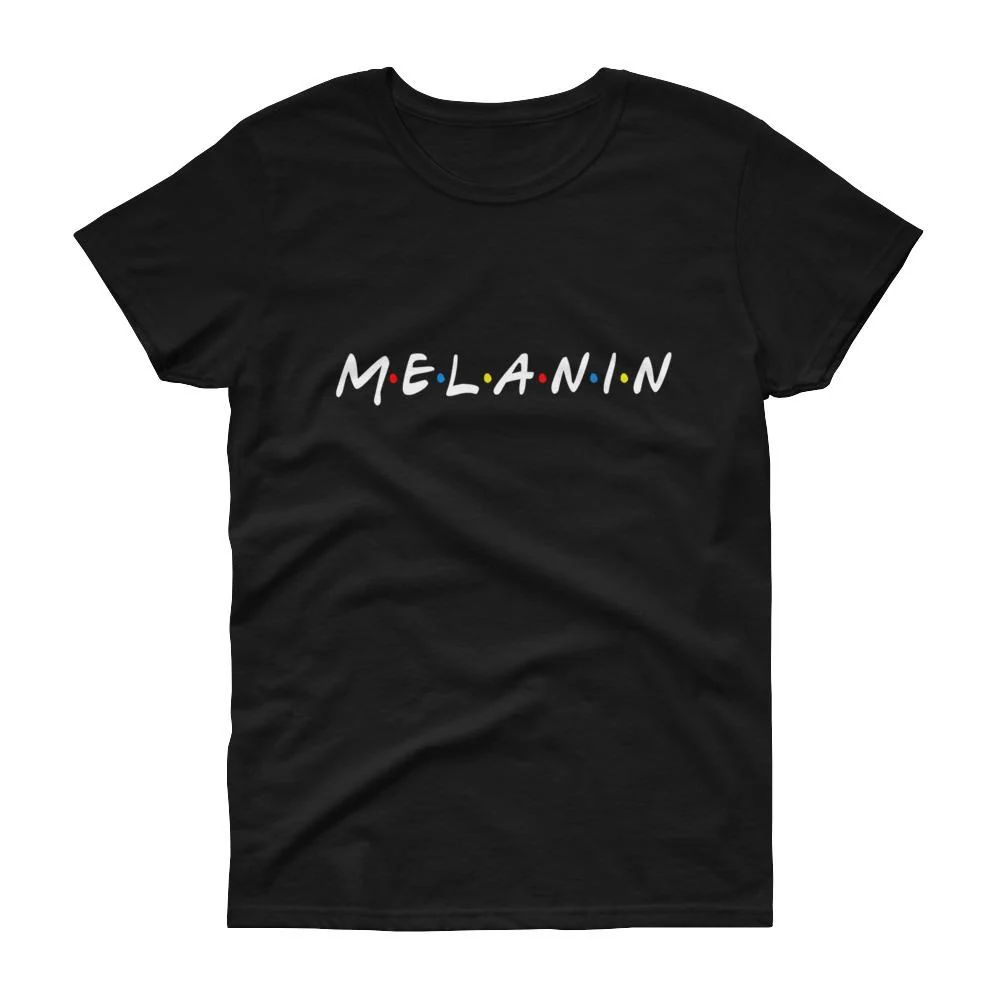
A favorite graphic tee should still look sharp after its twentieth wash. Cracked, faded, or peeling prints usually come from laundry habits, not poor quality. If you own Women’s Melanin Apparel, a few small changes to how you wash, dry, and store each piece can protect the artwork and the fabric underneath. This guide walks you through the steps that matter most.
Know What Kind of Print You Are Washing
Before you pick a wash cycle, it helps to understand how the design sits on the fabric. Different printing methods react differently to heat, friction, and detergent. Your garment’s care label and any product page notes from the seller are the most reliable guide to which method was used.
Screen Printing
Screen printing pushes layers of ink through a mesh stencil onto the fabric. The ink cures, or sets, under heat, so it forms a flexible layer on the surface. Quality screen prints are durable, but high dryer heat and rough scrubbing can still cause fine cracks over time.
Heat Transfer Vinyl and Heat-Pressed Designs
Heat transfer vinyl (HTV) is a thin film cut into shapes and pressed onto the garment with heat. These designs have a smooth, slightly raised feel. Their weak spot is heat: a very hot dryer or iron can soften the adhesive, which leads to lifting edges and bubbles.
Direct-to-Garment (DTG) Printing
DTG printing works like an inkjet printer for fabric. The ink soaks into the fibers, so the print feels soft and has little surface texture. That softness is a plus, but DTG colors can fade faster when exposed to harsh detergent, bleach, or strong sunlight.
Read the Care Label First
The care label sewn into the neck or side seam is your starting point. It shows the maximum water temperature, whether bleach is allowed, and how the garment should be dried and ironed. When a label and general advice disagree, follow the label.
Many everyday tees and sweatshirts are cotton or cotton blends, and these fabrics usually tolerate regular machine washing well. Even so, the print is often the most sensitive part of the garment. Treat the label as the maximum limit, then wash a little gentler than it allows to protect the design.
If the label has worn away, use cold water, a gentle cycle, and air drying. That combination is the safest default for almost any printed piece.
Prepare Printed Garments Before Washing
A little preparation takes about two minutes and prevents most print damage.
First, turn every printed garment inside out. This shields the design from direct rubbing against other clothes and the drum of the machine. Next, close zippers, fasten hooks, and tie any drawstrings so they do not scratch the print.
Then sort your laundry. Wash printed pieces with similar colors and avoid mixing them with heavy items like jeans, towels, or anything with rough hardware. Denim and terry cloth create friction that wears down prints much faster than lightweight cotton knits.
Check pockets as well. Coins, keys, and pens can scrape a design or leave ink marks on the fabric.
Choose the Right Machine Settings
Settings make a real difference in how long a print lasts. The goal is to clean the garment thoroughly while reducing heat, agitation, and chemical stress.
Water Temperature
Cold water, around 30°C (86°F) or below, is the best choice for printed garments. It reduces fading and keeps heat-sensitive adhesives stable. Cold water also limits shrinking in cotton, which helps the print keep its shape alongside the fabric. Modern detergents are designed to work well in cold water, so you lose very little cleaning power.
Cycle and Spin Speed
Pick a gentle or delicate cycle with a low or medium spin speed. A shorter cycle exposes the print to less rubbing. Avoid overloading the drum as well, because crowded garments rub against each other, and the friction can roughen the surface of a print.
Detergent Choice
Use a mild liquid detergent, and measure it carefully. Too much detergent leaves residue that can dull colors and make prints look chalky. Skip chlorine bleach entirely, since it can strip color and weaken both the ink and the fibers. Oxygen-based color-safe products are gentler, but test them on an inside hem first, and keep contact with the printed area brief.
Fabric softener is also worth skipping. Its coating can build up around the print and may interfere with how ink and adhesive bond to fabric.
Hand Washing for Extra Protection
Hand washing is a good option for special pieces, older prints, or garments with raised or embellished designs. Fill a basin with cool water and add a small amount of mild detergent. Turn the garment inside out, submerge it, and gently press the fabric a few times.
Let it soak for 10 to 15 minutes, then rinse in clean cool water until the suds disappear. Do not wring or twist the garment. Instead, press the water out gently or roll it in a clean towel. Wringing is one of the quickest ways to crack a print.
Quick Care Guide by Print Type
Different print methods tolerate different conditions. The table below summarizes sensible care limits for the three most common types. It offers general guidance only, so your garment’s own label always comes first.
| Print Type | Water Temperature | Drying Method | Ironing | Main Risk |
|---|---|---|---|---|
| Screen print | Cold to warm | Air dry or low heat | Inside out, medium heat, never directly on print | Cracking from high heat |
| Heat transfer vinyl | Cold | Air dry preferred | Inside out, use a pressing cloth, low heat | Edge lifting and bubbling |
| DTG print | Cold | Air dry or low heat | Inside out, low heat | Fading from harsh detergent and sun |
If you are unsure which method a piece uses, follow the most cautious row. Cold water, air drying, and low-heat ironing from the inside suit all three.
Dry Printed Garments Without Damaging the Design
Drying is where many prints get damaged. Heat is the biggest enemy of both adhesives and inks, and a hot dryer cycle can age a design far faster than dozens of careful washes.
Air drying is the safest method. Lay the garment flat on a clean towel or hang it on a padded hanger, keeping it inside out. Flat drying works best for heavier items like hoodies and sweatshirts, because wet weight can stretch shoulders and distort the print.
Direct sunlight can fade colors, especially bright and dark shades, so dry garments in a shaded, well-ventilated spot. If you must use a dryer, choose the lowest heat or air-fluff setting, keep the garment inside out, and remove it while it is still slightly damp. Finishing the last bit of drying on a hanger prevents over-drying and shrinkage.
Ironing and Steaming Printed Clothing
Wrinkles are easier to prevent than to fix. If you remove garments from the dryer or line promptly and smooth them by hand, you may not need an iron at all.
When ironing is necessary, turn the garment inside out and use low to medium heat without steam. If the print is visible from the front, place a thin cotton cloth or parchment paper between the iron and the design. Never press the iron directly on a printed area, because direct heat can melt vinyl and smear ink.
A handheld garment steamer offers a gentler alternative. Hold it a few inches from the inside of the fabric and let the steam relax the wrinkles without touching the print.
Treat Stains Without Harming the Print
Spills happen, and quick action helps. Blot the stain with a clean cloth rather than rubbing, since rubbing pushes the stain deeper and abrades the print.
For most food and everyday stains, apply a small drop of mild liquid detergent to the stained area on the fabric side, work it in gently with your fingertips, and let it sit for about ten minutes before washing. Avoid stiff brushes, harsh stain removers, and any solvent on or near the printed design. If a stain sits directly on the print, dab the area with a damp cloth and a tiny amount of mild soap, then rinse by blotting.
Always test a stain treatment on a hidden spot first, such as an inside seam. If the stain remains after washing, let the garment air dry before trying again, because heat can set many stains permanently.
Store Your Printed Pieces the Right Way
Good storage keeps prints smooth between wears. Make sure garments are fully dry before folding or hanging them, because trapped moisture can cause odors and encourage mildew.
Fold printed tees with the design facing inward, or fold them so the print does not press directly against another printed surface. Two prints stacked together for months can stick, especially with vinyl designs in warm weather. For hanging, use wide, padded hangers so the shoulders do not stretch.
Keep your closet cool and dry, and avoid long exposure to bright light. Folding tissue paper between prints is a simple extra step for special pieces you wear only occasionally.
Common Mistakes That Shorten a Print’s Life
Most print damage comes from a short list of habits. Washing in hot water, using the high-heat dryer setting, and skipping the inside-out step account for a large share of cracked and faded designs.
Others include overloading the washer, adding too much detergent, and using fabric softener or bleach. Leaving damp clothes in a hamper or washer for hours can also cause odors and weaken some prints. Finally, storing garments while they are still slightly damp invites mildew.
Fixing even two or three of these habits usually produces a visible improvement in how long designs last.
What to Do When a Print Starts to Show Wear
Even with good care, prints change over time. Light fading and a slightly softer look are normal parts of a well-loved garment. Cracking, peeling, or bubbling is different, since it usually points to heat or friction damage.
If an edge of a heat-pressed design begins to lift, stop washing the item in warm water and avoid the dryer. Do not pick at the edge, because this makes the lifting spread. Contact the seller to ask about care advice or a possible replacement if the garment is relatively new and you followed the label.
For small cracks on older pieces, switching to hand washing and flat drying can slow further damage. Some wear is unavoidable, and a gently faded print is part of what gives a favorite garment its character.
Conclusion
Caring for printed clothing does not require special equipment, only consistent habits. Turn garments inside out, wash in cold water on a gentle cycle, skip bleach and fabric softener, and let pieces air dry. Iron from the inside and store designs so they do not press against each other. These steps protect the print and the fabric together, so your favorite Women’s Melanin Apparel pieces stay vibrant and comfortable for years. Check each care label, adjust to the print type, and your wardrobe will reward the effort with lasting color and shape.
FAQs
1. Can I put printed garments in the dryer?
Yes, but use the lowest heat or air-fluff setting, keep the garment inside out, and remove it while slightly damp. Air drying is gentler and extends print life.
2. How often should I wash printed clothing?
Wash after one to three wears, depending on activity and weather. Tees worn against the skin may need washing after each wear, while sweatshirts and layering pieces can go longer.
3. Is it better to wash printed garments inside out?
Yes. Turning them inside out protects the design from friction against other clothes and the machine drum, which reduces cracking and fading.
4. Why is my print cracking or peeling?
The usual causes are high heat, harsh detergents, heavy friction, or overloading the machine. Switching to cold water, a gentle cycle, and air drying helps prevent further damage.
5. Can I use bleach or fabric softener on printed clothes?
It is best to avoid both. Chlorine bleach can strip color and weaken ink, while fabric softener can build up around the print and affect how well it holds.