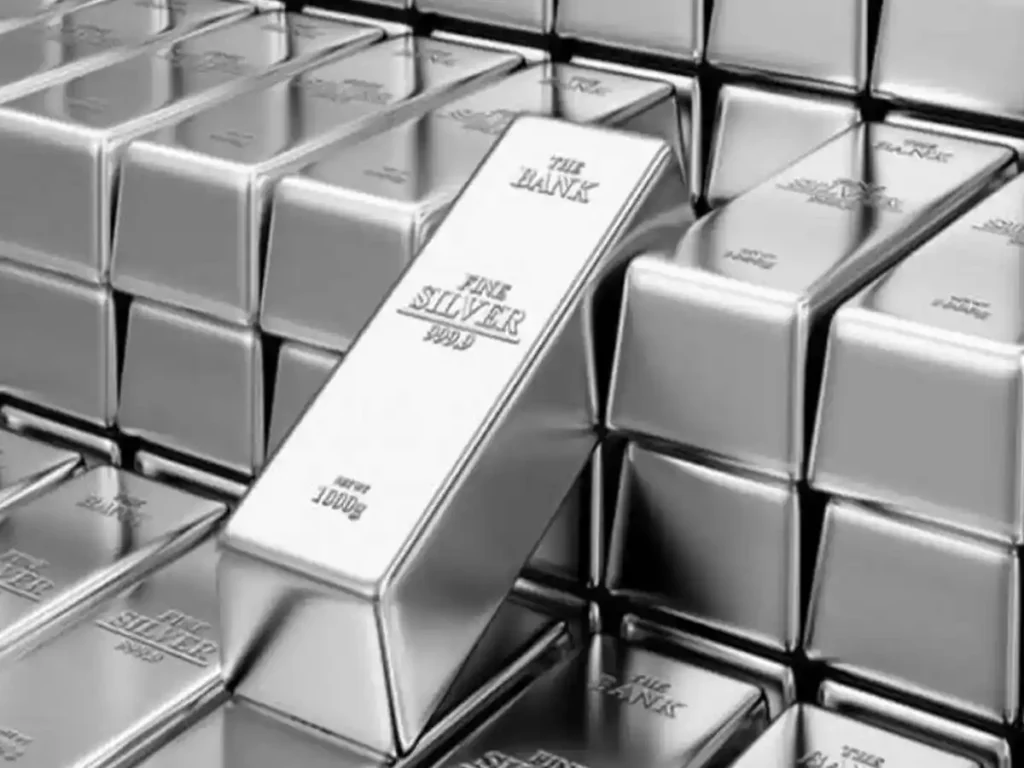
Platinum set a record early this year, then gave back a large share of those gains, leaving many buyers unsure whether the dip is an opportunity or a warning. If you are weighing physical metal, whether online or through a platinum bullion dealer dfw shoppers visit in person, start by understanding what moves the price. Here is what the market looks like, what the risks are, and how to buy sensibly.
Where the Platinum Market Stands Today
Platinum began 2026 near $2,065 per ounce and reached a new record in the early months of the year. Market commentary later put the all-time high at $2,923.70 per ounce. Since then the metal has slid. It traded around $1,789 in the summer, and price aggregators showed quotes near $1,600 to $1,700 in mid-October. Spot prices change daily, so check a live quote before you buy.
That leaves platinum well below its peak, but the 2025 rally had already pushed it out of a decade-long consolidation pattern. The 2026 pullback is now testing whether that breakout can hold. Technical analysts disagree on the answer, which is a good reminder that nobody reliably calls the bottom.
Gold, meanwhile, trades at a much higher price per ounce, so platinum looks inexpensive by comparison. That comparison attracts buyers, yet a lower price does not prove good value. The reasons behind the price matter more.
What Moves the Price of Platinum
Mine Supply Is Concentrated in One Country
South Africa supplies about 80% of mined platinum. Power shortages, labor disputes, or flooding there can tighten supply quickly. The World Platinum Investment Council (WPIC) forecast total 2026 supply, which includes recycling, at roughly 7.38 million ounces, up about 2% from last year. That leaves little slack if mines stumble.
Industrial Demand Does Most of the Work
Most platinum gets used rather than stored. Automakers rely on it in catalytic converters, especially for diesel engines, while chemical, glass, and electronics manufacturers add steady demand. WPIC has also pointed to growing uses in optical communications and data storage tied to AI infrastructure.
The weak spot is the shift toward battery-electric vehicles, which need no catalytic converter. Hydrogen technology could offset some of that loss, but its timing remains uncertain.
Investor Flows Create the Big Swings
Investment demand moves more than any other category. Global platinum ETF holdings fell from about 3.77 million ounces to 3.07 million in the first half of 2026, according to figures cited by FXEmpire. In September, WPIC also cut its 2026 investment demand forecast by 601,000 ounces. When funds sell, prices soften even if industrial demand holds steady.
What the Latest Supply and Demand Numbers Say
WPIC publishes the most closely watched balance for the platinum market. Its September report reversed the 2026 outlook: instead of a 297,000-ounce deficit, it now expects a 265,000-ounce surplus. The first half produced a 548,000-ounce surplus, including 244,000 ounces in the second quarter. The change came almost entirely from weaker investment demand.
The picture is not purely bearish. WPIC still forecasts a 283,000-ounce deficit for the second half, as demand rises 24% from the first half to 3.931 million ounces while supply stays broadly flat. Context helps, too. The market ran a 1.082-million-ounce deficit in 2025, the largest in WPIC’s records, and earlier this year the council described above-ground stocks as depleted.
For a buyer, the takeaway is mixed. Thin stocks can amplify a price rise when demand returns, but a market in surplus gives prices no automatic lift. Forecasts also change often, as this year’s repeated revisions show.
Why Some Buyers Still Favor Platinum Bullion
Several arguments keep platinum on investors’ watch lists, even after the decline.
A large gap below the peak. Buyers who believe the 2025 breakout was real see the current price as a chance to build a position at a discount to this year’s high. That view is a bet, not a certainty.
Different drivers than gold. Platinum’s industrial demand means it can move on factors that do not affect gold. WPIC argued in September that platinum could outperform gold if investors return to the currency-debasement trade. That is one organization’s view, and it carries the usual forecasting limits.
Physical ownership. A bar or coin in your possession carries no issuer or counterparty risk, unlike a fund share or a paper contract.
Flexible entry sizes. Fractional coins and small bars let you start with a modest budget instead of committing to a full ounce at once.
Risks to Weigh Before You Buy
Sharp Volatility
Platinum’s slide from roughly $2,924 to below $1,700 within the same year shows how fast it can move. WPIC has warned buyers to expect more price swings in platinum and its sister metals. If a 30% drop would force you to sell, your position is too large.
Ownership Costs and Taxes
Platinum pays no interest or dividend. You pay a premium over spot when you buy, and dealers buy back below spot, so the metal has to rise enough to cover that spread. Storage and insurance add to the cost.
In the United States, the IRS generally treats physical precious metals as collectibles, which can mean a higher long-term capital gains rate than stocks. Confirm how this applies to you with a tax professional.
Demand That Could Weaken
A recession would hit automotive and industrial demand. Faster electric-vehicle adoption would trim catalytic converter use. Automakers can also adjust their catalyst recipes between platinum and palladium, which can shift demand between the two metals when relative prices change.
Choosing Between Bars, Coins, and Funds
Physical platinum comes in several forms, and each balances cost against convenience differently. The table below compares the main options. Premiums vary by dealer and market conditions, so treat the rankings as general patterns and request written quotes.
Table: Platinum Bullion Options Compared
| Option | Typical Sizes | Premium Over Spot | Resale Ease | Best Suited For |
|---|---|---|---|---|
| One-ounce bars | 1 oz and larger | Usually lowest among physical forms | Good, though buyers may inspect packaging | Buyers who want the most metal per dollar |
| Government coins (American Platinum Eagle, Canadian Platinum Maple Leaf) | 1 oz, plus fractional sizes | Moderate to high | Very high, since dealers recognize them | Buyers who value easy resale and trusted design |
| Fractional bars and coins | Fractions of an ounce | Highest per ounce | Good for small, partial sales | Gradual buyers with limited budgets |
| Platinum ETFs | Fund shares | No physical premium, but annual fund fees | Very high during market hours | Traders and retirement accounts that cannot hold metal |
Funds avoid shipping and storage worries, but you never hold the metal itself. For people whose goal is physical ownership, bars and coins are the straightforward choice.
A Practical Way to Decide If Now Is Right for You
Start With Your Purpose
Ask what the platinum is for. Someone hedging a portfolio dominated by stocks and bonds has a different goal than someone chasing a price rebound. Keep the position modest relative to your total savings, sized so that a steep drop would not change your life. This article is general information, not personalized financial advice, and a licensed advisor can help you set a sensible amount.
Spread Purchases Over Time
Because nobody knows whether platinum has bottomed, many buyers split a purchase into several smaller ones. Suppose you plan to invest $6,000. You could buy $1,000 worth each month for six months. If the price falls, later purchases bring more ounces; if it rises, earlier purchases gain value. This approach does not guarantee a profit, but it reduces the risk of buying everything at a poor moment.
How to Buy Platinum Bullion Without Costly Mistakes
Vet the Dealer
Whether you choose an online seller or a shop in the Dallas–Fort Worth area, compare more than the headline price. A trustworthy dealer should be able to answer these questions clearly:
- What is the premium over spot, and is the quote in writing?
- How long does the quoted price stay locked after you order?
- What is the buyback policy, and how does the buy price compare with the sell price?
- Are the products from recognized mints and refiners?
- How are shipments insured and delivered, and which payment methods are accepted?
Visiting in person lets you inspect the product and avoid shipping risk. Online sellers sometimes offer lower premiums on larger orders. Check reviews and how long the business has operated.
Plan Storage and Your Exit
Decide where the metal will live before it arrives. Options include a home safe, a bank safe-deposit box, or a third-party depository, each with different costs and access. Keep items in their original packaging and keep receipts, since you will need the purchase cost for tax records.
Finally, ask what a dealer would pay if you sold the same item today. That number shows how much the metal must rise before you break even.
Conclusion
Platinum bullion is neither a bargain guaranteed to rebound nor a trap to avoid. Prices sit well below this year’s peak, mine supply remains concentrated, and WPIC still sees tight conditions in the second half. Yet the same council now expects a full-year surplus, and investor demand has weakened. That mix favors patience over all-in bets. Buy only what you could hold through sharp swings, compare premiums carefully, and spread purchases across several months. If you want physical metal, choose a dealer who quotes transparently and explains buyback terms before you pay.
Frequently Asked Questions
Is platinum rarer than gold?
In annual supply terms, yes. WPIC forecasts total platinum supply, including recycling, at about 7.4 million ounces for 2026, far less than the amount of gold produced each year. Rarity alone does not guarantee a higher price, because demand also matters.
Is platinum a better investment than gold?
They play different roles. Gold is driven mainly by investment and central-bank demand, while platinum depends heavily on industrial use. Platinum may offer more upside if demand recovers, but it has also proven more volatile.
Does platinum bullion earn income?
No. Physical platinum pays no interest or dividends, so any return depends on the price rising above what you paid, after premiums and storage costs.
How much platinum should a beginner buy?
There is no universal amount. Fractional coins let you begin with a small budget. Many buyers keep the position modest and add to it gradually rather than committing a large sum at once.
Are profits from platinum bullion taxable?
Generally, yes. In the United States, the IRS usually treats physical precious metals as collectibles, so gains may be taxed differently than stock gains. A tax professional can explain how the rules apply to your situation.