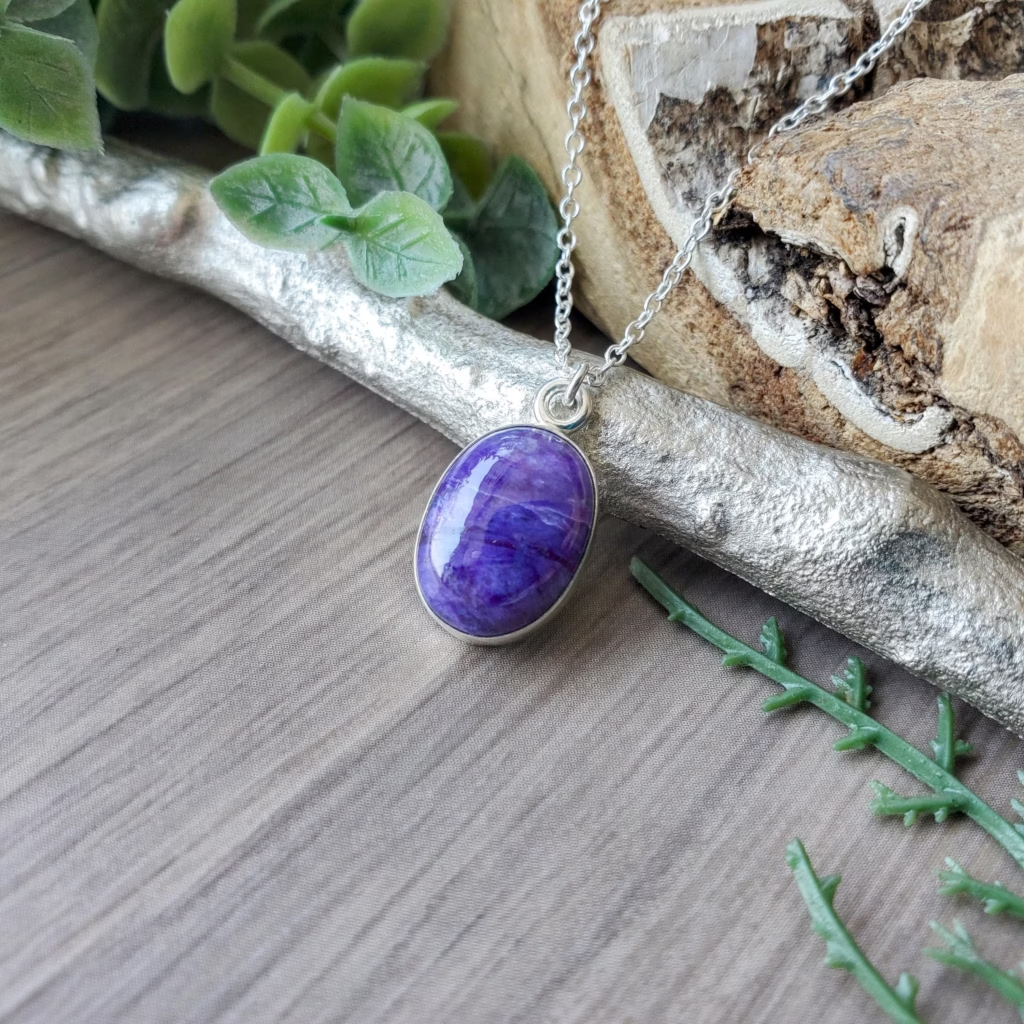
A well-chosen accessory can change the entire feel of an outfit without requiring a complete wardrobe makeover. A Charoite Necklace, for example, can bring color, texture, and personality to a simple look while creating a natural focal point. Whether you prefer casual clothing, office outfits, or elegant evening wear, the right jewelry helps connect individual pieces and gives your overall appearance a more finished, intentional feel.
Why Does a Necklace Make Such a Difference?
Jewelry may be a small part of an outfit, but it often attracts attention toward the face and neckline. A carefully selected necklace can add visual interest to a plain shirt, complement a dress, or make layered clothing appear more coordinated.
The key is choosing a design that works with the outfit rather than competing with it. Size, length, color, material, and shape all influence how the accessory interacts with your clothing.
For instance, a delicate chain can create a subtle polished effect, while a larger pendant can become the main feature of an otherwise simple outfit. Therefore, understanding these differences makes it easier to select jewelry for different occasions.
How Can a Necklace Complement Different Outfits?
The most effective jewelry choices depend on the clothing you are wearing. Instead of following one style for every occasion, consider the neckline, colors, patterns, and overall formality of your outfit.
Casual Everyday Outfits
For jeans, T-shirts, sweaters, and other relaxed clothing, simple jewelry can add personality without making the outfit look overly formal. A pendant, short chain, or understated layered design can work particularly well.
If your clothing already contains bold graphics or strong patterns, choose a simpler piece. On the other hand, a plain top provides more room for a distinctive design.
Office and Professional Clothing
Professional outfits usually benefit from clean and balanced accessories. A medium-length pendant or refined chain can add detail to a blouse, button-down shirt, blazer, or simple dress.
Avoid choosing a piece that is so large or noisy that it becomes distracting. Instead, look for jewelry that supports the polished appearance of your clothing.
Evening and Formal Wear
Formal occasions provide an opportunity to experiment with more noticeable designs. A statement necklace can work beautifully with a simple dress, particularly when the neckline leaves enough space for the jewelry to stand out.
However, balance remains important. If your dress already features elaborate embellishments, a simpler accessory may create a more harmonious appearance.
How Does Necklace Length Affect Your Look?
Length changes where the eye is naturally drawn and can influence how an outfit appears. Choosing the appropriate length can help create better visual balance between your clothing and jewelry.
| Necklace Length | Common Style Effect | Suitable Clothing |
|---|---|---|
| Choker | Modern and close-fitting | Open necklines, casual tops |
| Short | Simple and refined | Crew necks, V-necks |
| Medium | Versatile and balanced | Blouses, dresses, shirts |
| Long | Relaxed and dramatic | High necks, simple tops |
| Pendant | Creates a focal point | Plain shirts and dresses |
These are general styling guidelines rather than strict rules. Personal preference, body proportions, and the design of the jewelry can all change the final effect.
How Should You Match Jewelry With Your Neckline?
The neckline is one of the most important factors when selecting a necklace. A beautiful piece can lose its impact when its shape clashes with the neckline of the clothing.
V-Neck Tops
A pendant that follows the downward shape of a V-neck can create a coordinated appearance. The jewelry can visually echo the neckline instead of cutting across it.
Crew Neck Tops
Shorter necklaces and statement pieces can work well with crew neck clothing because the fabric creates a relatively open visual area above the neckline.
Turtlenecks and High Necklines
Longer chains and pendants often stand out against high-neck clothing. They create a vertical line that can break up a solid area of fabric.
Strapless and Open Necklines
Open necklines offer plenty of space for jewelry. Depending on the occasion, you can choose anything from a delicate chain to a more prominent statement piece.
How Can Color Improve Your Jewelry Styling?
Color can make jewelry feel connected to the rest of your outfit. You do not necessarily need an exact color match; instead, look for complementary or naturally harmonious tones.
For example, earthy clothing can pair well with natural stones and warm metals. Neutral clothing gives you greater freedom to introduce a colorful accessory as a focal point.
When wearing multiple colors, consider choosing jewelry that picks up one smaller color from the outfit. This creates a subtle connection without making the entire look feel overly coordinated.
Why Are Natural Stones Popular in Jewelry?
Natural stones are often appreciated for their individual colors, patterns, and visual character. Unlike completely uniform materials, stones can have variations that make each piece feel distinctive.
This makes gemstone jewelry useful when you want an accessory with personality. A purple gemstone, for example, can add richness to neutral clothing while remaining versatile enough for different occasions.
However, natural-stone jewelry should be selected according to personal style rather than trends alone. Consider whether you genuinely enjoy the stone’s appearance and whether it fits the clothing you normally wear.
How Can Layering Create a More Interesting Look?
Layering several pieces can add depth to an outfit, but it requires some planning. Combining different lengths allows each piece to remain visible rather than allowing the chains to overlap heavily.
A simple approach is to combine:
- A short delicate chain
- A medium-length pendant
- A longer, understated piece
You can also vary textures while keeping a common metal tone. This creates contrast while maintaining visual consistency.
If you are new to layering, begin with two pieces instead of several. Once you understand how the lengths and shapes interact, you can gradually create more complex combinations.
How Should You Choose Jewelry for Your Personal Style?
Personal style should remain the starting point when selecting accessories. Fashion trends can provide inspiration, but a piece that does not feel comfortable or authentic may spend more time in your jewelry box than in your wardrobe.
Ask yourself a few practical questions before buying:
- Do I prefer subtle or noticeable accessories?
- Which colors appear most often in my wardrobe?
- Do I normally wear silver, gold, or mixed metals?
- Which necklines do I wear most frequently?
- Will I use the piece for everyday outfits or special occasions?
Your answers can narrow down your choices and make shopping more purposeful.
How Can You Avoid Common Jewelry Styling Mistakes?
Good styling is often about balance. Even a beautiful accessory may look out of place when several competing elements appear in the same outfit.
Avoid Too Many Focal Points
If your clothing has a bold pattern, large earrings, and an elaborate necklace, the overall appearance may feel visually crowded. Choose one primary focal point and let the other accessories play supporting roles.
Consider Proportion
Large jewelry can overwhelm a delicate outfit, while a very small piece may disappear against heavy fabrics or strong patterns. Match the scale of the accessory to the clothing whenever possible.
Think About the Occasion
A statement design may be appropriate for a dinner or social event but less suitable for a conservative professional setting. Consider the environment before choosing your final accessory.
Keep Comfort in Mind
Style should not come at the expense of comfort. Check the weight, clasp, chain length, and overall fit, particularly if you plan to wear the jewelry for several hours.
How Can One Necklace Work With Multiple Outfits?
Versatility is an important consideration when building a practical jewelry collection. Instead of purchasing a different piece for every outfit, choose designs that can transition between several settings.
A medium-length pendant, for example, can work with casual tops during the day and a simple dress in the evening. Neutral metals and naturally complementary colors can also make styling easier.
To get more use from one piece, experiment with different clothing combinations. Wear it over a plain top, under an open blazer, or with a simple dress and compare how the overall appearance changes.
How Can Jewelry Help Create a Signature Style?
A signature style develops through repeated choices rather than one particular accessory. Wearing similar materials, colors, or design themes can gradually create a recognizable appearance.
Some people prefer minimal jewelry, while others enjoy bold gemstones and layered pieces. Neither approach is inherently better; the goal is to find combinations that suit your personality, wardrobe, and daily routine.
Over time, paying attention to which accessories make you feel confident can help you identify your preferred style. That knowledge makes future jewelry purchases easier and more intentional.
Practical Tips for Styling Jewelry
Before completing an outfit, take a moment to evaluate the entire look rather than focusing only on the accessory.
Keep these tips in mind:
- Match jewelry proportions with the clothing.
- Consider the neckline before selecting a length.
- Use color to connect jewelry with your outfit.
- Let one accessory serve as the main focal point.
- Keep formal and casual settings in mind.
- Experiment with layering gradually.
- Choose comfortable pieces you will actually wear.
- Select designs that reflect your personal preferences.
Small adjustments can make a noticeable difference. Sometimes changing the necklace length is enough to make an otherwise ordinary outfit feel more balanced.
Conclusion
The right necklace can bring together an outfit by adding color, texture, proportion, and a clear focal point. Its impact depends on more than the jewelry itself; neckline, clothing style, occasion, personal preference, and overall balance all influence the final result. Instead of choosing accessories simply because they are fashionable, consider how each piece works with the clothes you already own. A thoughtful choice can turn a basic outfit into a more polished and expressive look. Most importantly, jewelry should feel natural to wear. When an accessory matches both your wardrobe and your personality, it becomes a useful part of your everyday style rather than an afterthought.
FAQs
How can a necklace improve a simple outfit?
A necklace can add color, texture, and visual interest to a basic outfit. A simple chain can create a subtle polished appearance, while a statement design can become the main focal point of a plain top or dress.
How do I choose the right necklace length?
Consider your neckline and the overall style of your clothing. Shorter designs generally work well with open necklines, while longer necklaces can complement high-neck tops and simple outfits.
Can I wear a necklace with patterned clothing?
Yes. When wearing patterned clothing, choose a necklace that complements rather than competes with the pattern. A simple design often works best with bold prints, while a more noticeable piece can complement neutral clothing.
Is it okay to layer multiple necklaces?
Absolutely. Layering necklaces can create depth and personality. Try combining different lengths while keeping the colors, materials, or design styles coordinated for a balanced appearance.
How do I choose a necklace for everyday wear?
Choose a comfortable, versatile design that works with several outfits in your wardrobe. Consider the necklace’s length, weight, color, durability, and whether its style suits your daily activities.