Heavy metal testing Melbourne has become increasingly relevant due to growing concerns about environmental and health factors in urban areas like Melbourne. This type of testing plays a critical role in detecting potentially harmful substances in the body that can accumulate from exposure to contaminated air, water, and food. By identifying heavy metals such as lead, mercury, and arsenic, testing provides valuable insights into potential health risks. This information is vital for implementing effective strategies to manage exposure and maintain overall well-being.
Understanding Heavy Metals
Heavy metals are naturally occurring elements characterised by high density and toxicity at certain exposure levels. They are present in the environment due to both natural processes and human activities, such as industrial emissions, mining, and pesticide use. Common heavy metals include lead, mercury, cadmium, and arsenic, which can accumulate in air, water, and soil, leading to potential human exposure. These substances are often absorbed through ingestion, inhalation, or skin contact.
Exposure to heavy metals, even in small amounts, can have significant health implications. Long-term accumulation in the body has been associated with conditions such as organ damage, hormonal imbalances, and developmental issues. Certain metals, including mercury and lead, may also disrupt neurological functions. Understanding these risks underscores the need to identify and address heavy metal exposure to safeguard overall health and minimise potential adverse effects.
Importance of Heavy Metal Testing in Melbourne
Melbourne’s dynamic urban environment and industrial activities contribute to the potential presence of heavy metals in air, water, and soil. Local environmental factors, such as historical land use and industrial emissions, can increase exposure risks. Heavy metal testing provides valuable insights into these exposure levels, enabling individuals to understand the specific risks associated with their surroundings.
This testing is particularly relevant in areas where environmental monitoring indicates elevated metal concentrations. By identifying the presence of heavy metals, testing helps to address health concerns effectively. Additionally, the process supports informed decision-making regarding lifestyle adjustments and environmental awareness. Such proactive measures are crucial for mitigating the long-term health impacts of heavy metal exposure within Melbourne’s unique environmental landscape.
Testing Methods for Heavy Metals
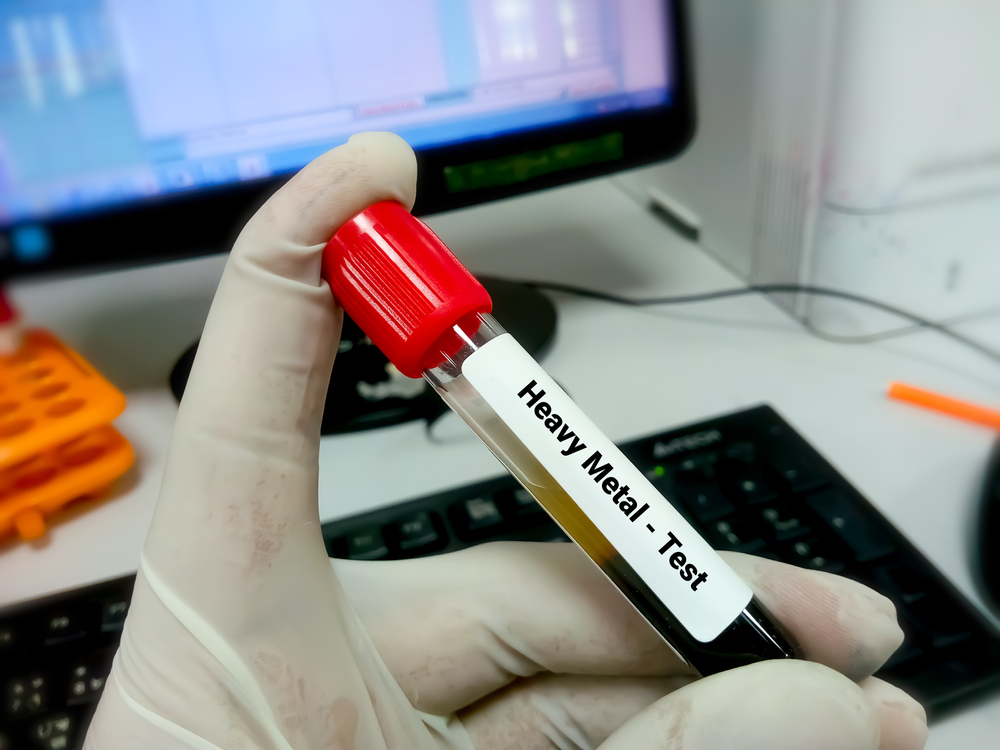
Heavy metal testing employs various techniques to identify toxic substances in the body. Blood tests are often used to detect recent exposure, providing an immediate snapshot of heavy metal levels. Urine tests are another common method, offering insights into metal excretion over time. Hair analysis, on the other hand, is effective for assessing long-term exposure patterns. Each method provides unique benefits and is selected based on individual needs.
Advanced laboratory techniques ensure accurate and reliable results, essential for evaluating exposure and guiding subsequent actions. The availability of precise testing methods allows for a comprehensive understanding of heavy metal accumulation, contributing to the effective management of potential health risks associated with exposure in both urban and industrial settings.
Heavy Metal Detox in Melbourne
The process of heavy metal detoxification involves removing harmful metals that may accumulate in the body due to environmental exposure. In Melbourne, the detox process typically incorporates scientifically backed methods such as chelation therapy, dietary adjustments, and the use of targeted supplements. These approaches aim to facilitate the safe removal of toxic metals while supporting overall bodily functions. Professional oversight during detoxification ensures the methods are tailored to meet individual needs, promoting health and minimising risks.
Detoxification not only addresses the physical effects of toxicity but also helps to optimise bodily systems, contributing to improved vitality and well-being. By effectively addressing heavy metal accumulation, detoxification supports the body in maintaining balance and health amid urban environmental exposures.
Health Benefits of Heavy Metal Testing: Identifying Toxic Levels
Testing for heavy metals provides critical information about toxic levels in the body, enabling timely intervention to prevent adverse health effects. Detecting metals such as mercury, arsenic, and cadmium helps assess their potential impact on vital organs and bodily systems. Identifying toxic levels can help uncover hidden sources of exposure, whether environmental, occupational, or dietary.
Through this process, individuals can gain insights into potential health risks and take proactive steps to address and mitigate them, reducing the likelihood of long-term complications. This approach also supports the development of targeted health strategies to promote balance and improve overall physical well-being, particularly in urban settings where environmental exposure risks may be elevated.
Benefits of Detoxification: Enhancing Energy Levels
Detoxification supports the body’s natural processes by eliminating heavy metals, which can interfere with cellular energy production. Heavy metals are known to disrupt mitochondrial function, the part of cells responsible for generating energy. By reducing toxic load, detoxification helps restore optimal cellular function, leading to improved energy levels.
Additionally, removing these toxins can enhance nutrient absorption, ensuring the body receives essential vitamins and minerals required for energy metabolism. This improvement in bodily efficiency often results in reduced fatigue and a noticeable boost in physical stamina. Enhanced energy not only supports daily activities but also contributes to overall vitality, underscoring the importance of addressing heavy metal accumulation to maintain balanced energy levels and improve physical performance.
Strengthening Immune System through Detox
Detoxification can support immune function by alleviating the burden of heavy metals on the body’s defence systems. Excessive levels of toxic metals, such as lead or mercury, can interfere with the immune response, making it less effective at combating infections and diseases. Removing these substances allows the immune system to allocate its resources more efficiently.
Furthermore, detoxification can reduce chronic inflammation often linked to heavy metal exposure, which is known to suppress immune activity. By promoting a cleaner internal environment, the detox process enhances the body’s ability to respond to pathogens and maintain resilience. This improved immune efficiency can contribute to overall health and reduced susceptibility to illnesses over time.
Improving Cognitive Function with Heavy Metal Detox Melbourne
Heavy metal detox Melbourne may support cognitive health by addressing the neurological effects of toxic metal accumulation. Heavy metals such as mercury and lead can interfere with neurotransmitter activity and disrupt brain function, potentially leading to memory issues, concentration difficulties, and reduced mental clarity. By reducing the levels of these toxins, detoxification can help restore optimal neurological balance. This process also supports the proper functioning of brain cells, improving focus and mental sharpness.
Additionally, detoxification helps reduce oxidative stress in the brain, which is often linked to cognitive decline. Enhancing cognitive function through detoxification is particularly valuable for maintaining mental performance and promoting overall brain health amidst potential environmental exposures.
Supporting Healthy Skin with Detoxification
Detoxification can improve skin health by addressing the internal accumulation of heavy metals that may negatively affect the skin’s appearance and function. Toxic substances, such as mercury and cadmium, have been linked to conditions like dryness, irritation, and inflammation. By facilitating the removal of these metals, detoxification promotes the skin’s natural ability to regenerate and maintain its protective barrier.
Additionally, reducing heavy metal levels can help to balance skin oils and minimise oxidative stress, which is associated with premature ageing. The process further supports the body’s internal detox pathways, indirectly enhancing skin clarity and radiance. Through these mechanisms, detoxification plays a vital role in maintaining healthy, balanced skin amidst environmental and dietary exposures to heavy metals.
Role of Heavy Metal Detox in Weight Management
Heavy metal detoxification may contribute to weight management by addressing the disruptive impact of toxins on metabolic processes. Certain heavy metals can interfere with hormonal regulation and enzyme activity, potentially leading to imbalances that affect weight control. By removing these toxins, detoxification supports the proper functioning of metabolic pathways, allowing the body to regulate energy utilisation more efficiently.
Additionally, reducing the toxic burden can improve cellular function, aiding in the maintenance of a balanced metabolism. Enhanced metabolic health achieved through detoxification can facilitate the body’s natural ability to achieve and sustain a healthy weight. This process also supports overall physical well-being by minimising factors that may hinder effective weight management.
Improving Cardiovascular Health through Heavy Metal Detox
Heavy metal detoxification plays a role in supporting cardiovascular health by addressing the impact of toxic metals such as lead and cadmium. These metals have been associated with arterial damage, oxidative stress, and inflammation, which can increase the risk of heart-related conditions. By facilitating the removal of these substances, detoxification promotes improved vascular function and circulation.
Additionally, it may help in reducing oxidative damage to blood vessels, contributing to healthier arterial walls. Supporting cardiovascular health through detoxification also helps maintain balanced blood pressure and overall heart function, particularly in environments with high levels of heavy metal exposure.
Enhancing Digestive Health with Detox
Detoxification supports digestive health by addressing the impact of heavy metals on gut function. Toxic metals can disrupt the delicate balance of the gut microbiota, leading to digestive discomfort and reduced nutrient absorption efficiency. By facilitating the removal of these harmful substances, detoxification helps restore the balance of gut flora, promoting healthier digestion. This process can improve nutrient uptake efficiency, ensuring essential vitamins and minerals are utilised effectively by the body.
Furthermore, a healthier digestive system, achieved through detoxification, contributes to overall physical well-being by supporting energy levels and the optimal functioning of other bodily systems.
Conclusion
Undergoing heavy metal testing Melbourne provides vital insights into internal toxic burdens, protecting long-term health from environmental and industrial exposures. Accurately identifying toxic substances like lead, mercury, cadmium, and arsenic enables individuals to initiate targeted, scientifically backed detoxification protocols. Facilitating the safe removal of heavy metals restores cellular function, alleviates oxidative stress, and bolsters immune resilience. Additionally, addressing heavy metal accumulation enhances cognitive clarity, supports cardiovascular integrity, revitalises digestive efficiency, and aids metabolic balance. Proactive testing and professional detoxification empower Australians to mitigate unseen environmental risks, optimize physical vitality, and safeguard their overall well-being.
FAQs
Why is heavy metal testing Melbourne important for overall health?
Heavy metal testing Melbourne is essential because toxic metals like lead, mercury, and arsenic accumulate silently over time from environmental, dietary, and occupational sources across Australia. Early detection through blood, urine, or hair analysis identifies hidden toxicity levels, enabling timely interventions to prevent organ damage, hormonal imbalances, chronic inflammation, and long-term neurological complications.
How do heavy metals impact natural energy levels?
Heavy metals disrupt cellular energy production by impairing mitochondrial function and interfering with crucial metabolic enzymes. Accumulating toxic substances also hinders effective nutrient absorption, leading to persistent fatigue and reduced physical stamina. Detoxification reduces this toxic load, restoring cellular efficiency, improving nutrient uptake, and boosting overall physical vitality.
What methods are commonly used to test for heavy metals?
Diagnostic evaluations utilize specialized testing methods to assess heavy metal levels accurately. Blood tests detect recent or acute exposures, urine tests measure metal excretion over time, and hair analysis evaluates long-term accumulation patterns. Healthcare professionals select the appropriate diagnostic method based on individual health histories and specific exposure concerns.
Can heavy metal detox Melbourne improve skin and digestive health?
Yes, heavy metal detox Melbourne significantly benefits skin and gut health. Toxic metals disrupt gut microbiota, impairing digestion and nutrient absorption. Internally, heavy metals trigger skin irritation, dryness, and premature ageing through oxidative stress. Facilitating toxin removal balances gut flora and enhances skin regeneration, resulting in clearer skin and improved digestion.
How does heavy metal toxicity affect cognitive function?
Toxic metals such as lead and mercury readily cross the blood-brain barrier, disrupting neurotransmitter activity and increasing oxidative stress within brain tissue. This neurological strain often causes brain fog, memory issues, reduced focus, and impaired mental clarity. Eliminating these toxins helps restore neurological balance, supporting long-term brain health and cognitive performance.
| Related Business Listings |
| Contact Directory |
| Local Business Profiles |