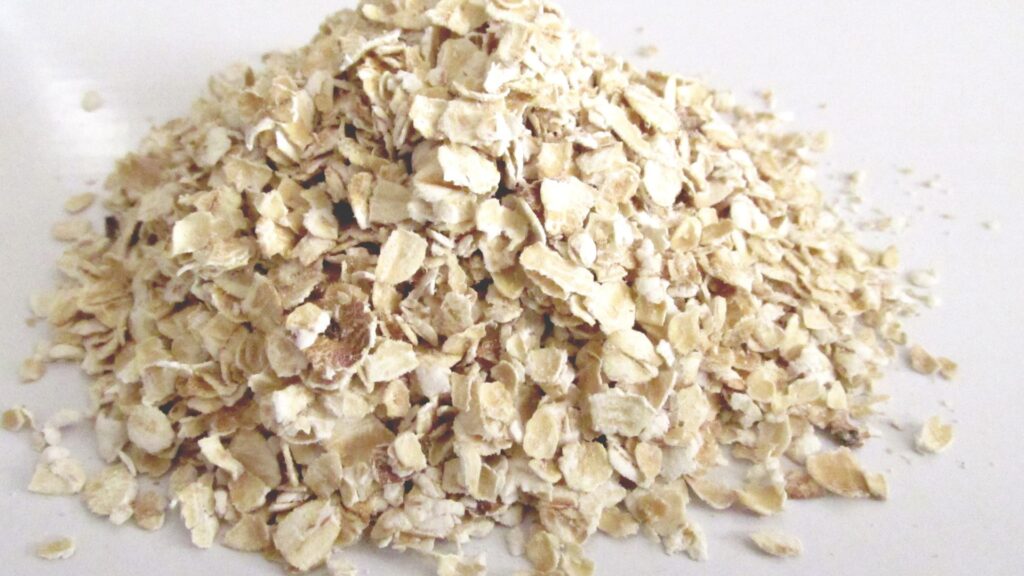
Introduction to the Global Oats Market
The Global Oats Market is experiencing a steady expansion phase, driven by shifting dietary habits and an increasing global emphasis on health, wellness, and preventive healthcare. According to industry analyses, the oats market is projected to grow from US$ 4.13 Billion in 2025 to US$ 6.53 Billion by 2034, recording a Compound Annual Growth Rate (CAGR) of 5.23% over the forecast period from 2026 to 2034.
Oats (Avena sativa) are celebrated for their dense nutritional profile, containing high levels of soluble dietary fibers like beta-glucan, essential plant-based proteins, vitamins, minerals, and antioxidants. As consumers increasingly prioritize functional foods that support heart health and weight management, oats have transitioned from a traditional breakfast staple into a versatile ingredient utilized across multiple consumer sectors.
Download Free Sample Report:https://www.renub.com/request-sample-page.php?gturl=oats-market-p.php
Market Overview and Evolution
Originally consumed primarily as a warm morning porridge, oats have undergone significant commercial evolution. Today, food and beverage manufacturers process whole oats into various accessible formats, including rolled oats, steel-cut oats, instant oats, and fine oat flour.
Beyond traditional breakfast cereals, oats serve as the foundational ingredient for popular plant-based dairy alternatives (like oat milk), vegan yogurts, protein bars, smoothies, and baked goods. Furthermore, the unique soothing and moisturizing properties of oats have driven their adoption into the personal care and cosmetics sector, expanding the market scope well beyond the food industry.
Key Growth Drivers of the Oats Market
1. Increasing Consumer Focus on Health and Nutrition
Modern consumers are increasingly turning to functional nutrition to combat lifestyle diseases such as obesity, diabetes, and cardiovascular complications. Because oats are rich in beta-glucan—which actively helps lower blood cholesterol and stabilize blood sugar—they are heavily endorsed by nutritionists and healthcare professionals. The growing public awareness of preventive healthcare has consistently boosted everyday oat consumption across all demographics.
2. Rising Demand for Plant-Based and Vegan Food Products
The global shift toward plant-based diets is a major catalyst for the oats market. Oat milk has emerged as one of the leading dairy-free milk alternatives globally, appealing heavily to lactose-intolerant consumers and environmentally conscious buyers. Because oat cultivation requires fewer natural resources compared to other crops, it aligns closely with sustainable agricultural trends, prompting major food corporations to invest heavily in oat-based innovations.
3. Expanding Use in Food Processing and Convenience Products
Urbanization and fast-paced lifestyles have accelerated the demand for ready-to-eat and convenient food products. Food processors are seamlessly integrating oats into granola bars, instant breakfast mixes, baked goods, and gluten-free snack options. This continuous product diversification ensures that oats remain a convenient, quick, and healthy meal solution for busy consumers.
Market Challenges
1. Price Fluctuations and Supply Chain Uncertainty
Oat cultivation is heavily dependent on favorable weather conditions, requiring stable temperatures and consistent rainfall. Climate-induced challenges such as droughts, unseasonal floods, and extreme weather events can disrupt crop yields, causing price volatility for raw materials. Additionally, farmers may occasionally pivot toward alternative high-return crops, creating supply chain bottlenecks for market manufacturers.
2. Competition from Alternative Grains and Breakfast Options
Oats face intense competition from alternative cereal grains such as wheat, rice, corn, and barley, as well as a massive array of convenient, ready-to-eat breakfast alternatives. Because many alternative breakfast options offer comparable convenience or distinct flavor profiles, industry manufacturers must continually innovate with unique flavors and formats to maintain consumer loyalty.
Segment Analysis
Type Breakdown
-
Rolled Oats: Flattened oat groats prized for their texture, versatility, and ease of preparation in traditional oatmeal, muesli, and baked goods.
-
Instant Oats: Pre-cooked, dried, and fine-textured flakes designed for rapid preparation, catering heavily to urban professionals and students.
-
Steel-Cut Oats: Minimally processed groats offering a chewy texture and high nutritional retention, popular among traditional health enthusiasts.
-
Whole Oats & Others: Bulk and specialized whole grain forms utilized across industrial food manufacturing and animal feed applications.
Application Breakdown
-
Food & Beverage: The largest end-use segment encompassing breakfast cereals, snack bars, bakery items, and plant-based beverages like oat milk.
-
Personal Care & Cosmetics: Utilizes oat extracts and colloidal oatmeal for their anti-inflammatory, soothing, and moisturizing benefits in skin creams, lotions, and cleansers.
-
Animal Feed: Incorporates lower-grade oat fractions into livestock and equine feed formulations.
-
Others: Includes specialized industrial and pharmaceutical applications.
Regional Market Dynamics
United States
The U.S. market features high maturity and robust consumer awareness regarding clean-label, organic, and heart-healthy foods. Continuous innovations—such as specialized oat-based coffee creamers, organic oat milk lines, and functional snack bars—keep the domestic market highly competitive and expanding.
United Kingdom
Rooted in strong traditional consumption patterns, the UK market has embraced modern health trends, particularly plant-based diets and dairy alternatives. British supermarkets feature extensive selections of zero-sugar oat drinks, organic rolled oats, and instant snack variants to cater to health-conscious shoppers.
India
India’s oats market is growing rapidly, propelled by a surge in health consciousness among urban consumers looking to combat lifestyle-related health concerns. Major brands frequently introduce localized, quick-cook, and flavorful instant oat variants tailored to traditional regional palates and modern convenience needs.
Saudi Arabia
The market in Saudi Arabia is experiencing notable growth driven by a young, health-conscious demographic and an expanding expatriate population. Increased demand for healthy lifestyles has boosted the adoption of functional foods and locally manufactured plant-based drinks, such as regional oat milk alternatives.
Competitive Landscape & Key Players
The global oats market features a dynamic competitive landscape where major food corporations focus on product portfolio expansion, strategic partnerships, and sustainability initiatives. Companies are evaluated comprehensively across five core viewpoints: Business Overviews, Key Personnel, Recent Developments, SWOT Analysis, and Revenue Analysis.
Key industry participants shaping the global market include:
-
General Mills
-
B&G Foods Inc
-
Kellanova
-
Marico Ltd
-
PepsiCo Inc
-
Nestle SA
-
Blue Lake Milling
-
Avena Foods
Frequently Asked Questions (FAQs)
1. What is the projected market size and growth rate of the global oats market?
According to market forecasts, the global oats market is expected to grow from US$ 4.13 Billion in 2025 to US$ 6.53 Billion by 2034, expanding at a compound annual growth rate (CAGR) of 5.23% from 2026 to 2034.
2. What are the primary health benefits driving oat consumption?
Oats are rich in soluble dietary fibers known as beta-glucans, which help lower cholesterol levels, regulate blood sugar, and promote heart health. They also provide essential plant-based proteins, vitamins, minerals, and antioxidants.
3. What key factors are driving the growth of the oats market?
The primary growth drivers include rising consumer focus on health and nutrition, the expanding popularity of plant-based and vegan food products (such as oat milk), and the increasing availability of processed, convenient, and ready-to-eat oat-based products.
4. What are the major challenges faced by the oats industry?
Key challenges include weather-dependent crop yields causing price volatility and supply chain uncertainties, alongside intense market competition from alternative grains and quick breakfast options.
5. How are oats utilized outside of the food and beverage industry?
In addition to food applications, oats are widely used in the personal care and cosmetics industry. Colloidal oatmeal and oat extracts are incorporated into lotions, face masks, and cleansers for their soothing, anti-inflammatory, and moisturizing properties on sensitive skin.
6. Which product segments are most popular in the oats market?
Rolled oats and instant oats represent some of the most popular consumer segments due to their convenience, versatility in home cooking, and quick preparation times.
7. Which geographic regions are leading the demand for oats?
North America (led by the United States), Europe (including the UK, France, and Germany), and the Asia-Pacific region (led by India and China) represent key regional markets driving high consumption and continuous product innovation.