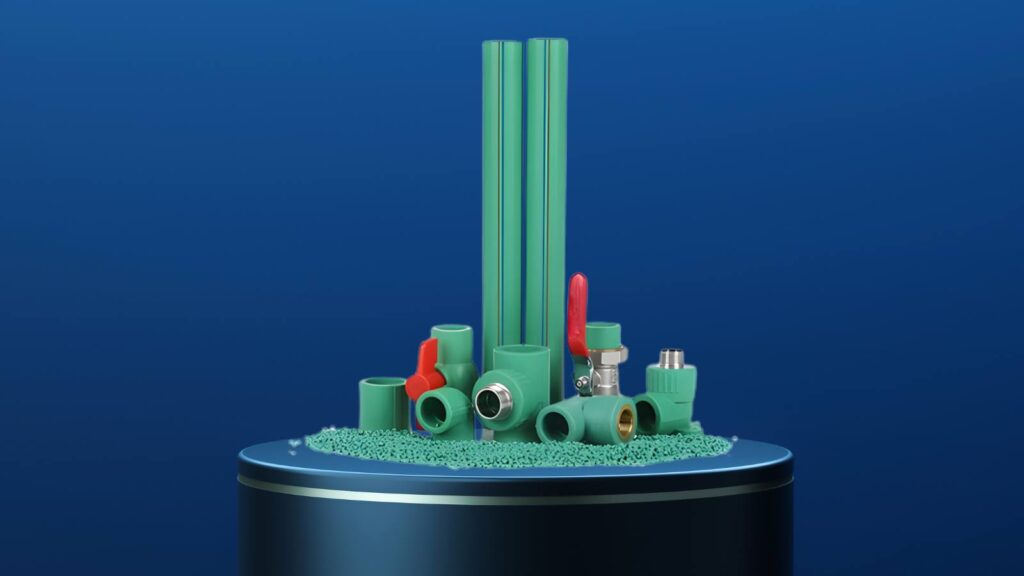
A reliable piping system is an essential part of modern infrastructure. Whether it is being installed in a residential building, commercial facility, industrial setup, or agricultural field, the quality of pipes and fittings can directly influence the efficiency, durability, and performance of the entire system. Selecting the right piping solution therefore requires careful consideration of the application, operating conditions, water requirements, installation method, and expected service life.
With advancements in piping technology, different materials and designs are now available to meet specific requirements. Among these, PPR pipes, PVC-based solutions, and specialized agriculture pipes and fittings have become important choices for a wide range of water distribution applications. Choosing a suitable solution can help create a dependable system while reducing maintenance requirements and improving long-term performance.
Understanding the Importance of Quality Pipes and Fittings
Pipes form the primary pathway through which water or other fluids are transported, while fittings help connect, redirect, control, and distribute the flow. Even when high-quality pipes are used, unsuitable or poorly matched fittings can affect the performance of the complete system.
A properly designed piping network should provide reliable connections, consistent flow, and resistance against the conditions in which it operates. For this reason, factors such as material quality, pressure requirements, temperature resistance, connection technology, dimensional accuracy, and application-specific performance should be considered before selecting a product.
Quality pipes and fittings can also contribute to easier installation and better system reliability. When the components are manufactured according to appropriate standards and designed for their intended application, they can support efficient piping systems across residential, commercial, industrial, and agricultural environments.
PPR Pipes for Modern Plumbing Applications
Polypropylene Random Copolymer, commonly known as PPR or PPR-C, has become a popular material for modern plumbing systems. PPR pipes are widely used in applications where dependable water transportation and durable connections are important.
One of the major characteristics of PPR piping is its suitability for hot and cold water systems. Its material properties make it useful in residential buildings, hotels, hospitals, commercial properties, and other installations where water distribution is an important requirement.
PPR piping systems are generally designed with a heat-fusion joining method. During installation, the pipe and fitting are heated and joined to form a strong connection. This technique can help create a continuous piping network while minimizing the need for traditional mechanical joining methods.
Another important advantage is the smooth internal surface of PPR pipes. A smooth bore can support efficient water flow and may help reduce the accumulation of deposits inside the pipeline. This makes PPR an attractive option for modern plumbing installations where consistent water distribution is required.
Why the Right Fittings Matter
Pipes alone cannot create a complete piping network. Elbows, tees, reducers, couplers, valves, and other fittings are required to connect different sections and accommodate changes in direction, size, and layout.
The fittings should be compatible with the selected pipe material and installation method. Using properly matched components helps maintain connection integrity throughout the system. In PPR installations, compatible fittings are particularly important because the pipe and fitting are joined through the same fusion process.
Good-quality fittings should also maintain dimensional consistency so that installation can be completed efficiently. Accurate dimensions can help installers achieve proper connections and create a more organized piping network.
For complex systems, selecting fittings according to the specific layout is equally important. Changes in direction, branch connections, transitions between different pipe sizes, and equipment connections all require appropriate fittings.
Agriculture Requires Specialized Piping Solutions
Agriculture is another sector where piping systems play an important role. Water needs to be transported efficiently from sources to fields, irrigation systems, storage areas, and other agricultural locations. The piping solution must therefore be selected according to factors such as water flow, installation conditions, field size, pressure, exposure, and irrigation requirements.
Modern agriculture pipes and fittings are designed to support different agricultural water-management applications. Depending on the system, pipes may be used for irrigation networks, water transportation, and distribution across agricultural areas.
Agricultural piping also needs to withstand demanding outdoor conditions. Exposure to soil, moisture, sunlight, changing temperatures, and mechanical stresses can influence the performance of a piping system. Selecting products designed for agricultural applications can therefore be an important step toward building a dependable irrigation network.
Selecting Pipes According to Application
There is no single pipe material that is ideal for every application. The right choice depends on the specific requirements of the project.
For domestic and commercial water distribution, PPR piping can be considered when the project requires a suitable solution for hot and cold water applications. Its fusion-based connection method and material characteristics make it a practical option for many modern plumbing systems.
Agricultural projects, on the other hand, may require piping solutions specifically designed for irrigation and outdoor water distribution. The size, pressure rating, installation environment, water source, and irrigation method should all be evaluated before choosing the appropriate pipe and fittings.
Industrial applications may require additional considerations, including chemical compatibility, operating temperatures, pressure conditions, and the type of fluid being transported. This makes application-specific product selection particularly important.
Performance Depends on Proper Installation
Even high-quality pipes and fittings require correct installation to achieve their expected performance. Installation procedures should follow the manufacturer’s recommendations and applicable technical requirements.
For fusion-based PPR systems, proper preparation, heating, alignment, and joining are important. Incorrect heating or misalignment can affect the quality of the connection. Similarly, agricultural piping should be installed according to the requirements of the irrigation system and surrounding environment.
The piping layout should also be planned before installation begins. Proper routing can help minimize unnecessary bends and connections while making maintenance easier. Pipe supports, trenches, joints, and connection points should be considered according to the specific application.
Long-Term Benefits of Choosing Suitable Piping Systems
Choosing the right pipes and fittings is not only about the initial installation. A piping system is expected to perform reliably for an extended period, so long-term performance should be considered during product selection.
A suitable piping solution can help reduce unnecessary maintenance and replacement requirements. Properly matched pipes and fittings can also contribute to reliable water distribution and efficient system operation.
For businesses, infrastructure developers, contractors, farmers, and property owners, selecting the appropriate piping system can therefore be an important investment. The objective should be to balance material quality, application suitability, installation requirements, performance, and overall project value.
KPT Pipes: Solutions for Diverse Piping Requirements
KPT Pipes focuses on developing piping products and fittings for different applications and infrastructure requirements. Its product portfolio includes solutions designed for plumbing, water distribution, agriculture, and other specialized applications.
From modern PPR piping systems to solutions for agricultural water management, selecting the appropriate product according to the intended application remains an important part of successful project planning. The combination of suitable pipes, compatible fittings, correct installation practices, and application-specific selection can help create a more dependable piping network.
Building Better Piping Systems Through Better Selection
Pipes and fittings are fundamental components of modern water-management and plumbing infrastructure. Their performance depends not only on the material but also on selecting the right product for the intended application and ensuring that compatible components are used throughout the system.
PPR pipes can provide a practical solution for many modern hot and cold water plumbing applications, while agriculture-specific piping solutions can support irrigation and water distribution requirements in agricultural environments. Understanding these differences allows project owners and professionals to make more informed decisions.
Whether the requirement is for a residential plumbing system, commercial building, industrial application, or agricultural water network, the foundation of a dependable piping system begins with selecting suitable pipes and fittings. With careful planning, quality products, compatible components, and proper installation, piping systems can deliver efficient performance and dependable service over the long term.