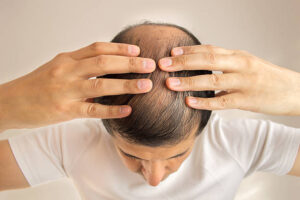
Genetic hair loss is one of the most common causes of gradual hair thinning in men and women. It can affect the hairline, temples, crown, or overall scalp density and often develops progressively over time. Understanding the available Genetic Hair Loss treatment options can help individuals make informed decisions about managing hair thinning and protecting existing hair.
What Is Genetic Hair Loss?
Genetic Hair Loss, commonly known as androgenetic alopecia or pattern hair loss, is influenced by inherited genetic factors and the sensitivity of hair follicles to androgen hormones.
In susceptible follicles, hormonal activity can cause progressive miniaturization. Hair strands may become finer and shorter over time, eventually resulting in reduced hair density.
Common Signs of Genetic Hair Loss
Recognizing the signs early can help with timely evaluation. Common symptoms include:
- Gradual hairline recession
- Thinning around the crown
- Widening of the central hair part
- Finer and weaker hair strands
- Reduced overall hair volume
- Increased visibility of the scalp
The pattern can differ between men and women, so professional assessment is useful when determining the cause.
Causes of Genetic Hair Loss
Family History
Genetics plays an important role in pattern hair loss. Having close relatives with similar hair loss may increase the likelihood of developing it, although the timing and severity can vary.
Hormonal Sensitivity
Dihydrotestosterone, or DHT, is involved in androgenetic alopecia. Genetically susceptible follicles may respond to DHT by gradually becoming smaller and producing finer hair.
Age
Genetic hair loss can become more noticeable with age. Some individuals develop signs relatively early, while others experience gradual changes later in life.
Genetic Hair Loss Treatment Options
There is no single treatment that is appropriate for everyone. The most suitable approach depends on the pattern and severity of hair loss, overall health, donor hair availability, and individual goals.
Medical Treatments
Certain evidence-based medications can help slow hair loss or support hair growth in appropriate patients. A qualified healthcare professional should determine whether a medication is suitable based on individual circumstances.
Some treatments require continued use to maintain their benefits, so patients should understand the potential advantages, limitations, and side effects before starting therapy.
Hair Transplantation
Hair transplantation may be considered for selected individuals with permanent pattern hair loss and adequate donor hair.
During transplantation, follicles are taken from a donor area and placed into areas affected by thinning. FUE and FUT are commonly used techniques, and the appropriate option depends on individual characteristics.
Combination Treatment
In some cases, a healthcare professional may recommend combining medical management with hair transplantation or other supportive approaches. The objective may be to address existing thinning while also helping preserve non-transplanted hair.
Treatment plans should always be individualized according to the patient’s condition.
FUE for Genetic Hair Loss
Follicular Unit Extraction, or FUE, involves removing individual follicular units from the donor area and transplanting them into recipient areas.
FUE can be considered for appropriately selected patients and may be useful for restoring areas such as the hairline, temples, or crown. Donor density and follicle quality are important factors when planning the procedure.
FUT for Genetic Hair Loss
Follicular Unit Transplantation, or FUT, involves removing a strip of donor scalp and separating it into individual follicular units for transplantation.
FUT may be appropriate for some patients depending on donor characteristics, hair loss pattern, and treatment objectives. A qualified professional can determine whether this technique is suitable.
Importance of Hairline Design
Hairline design plays an important role in achieving a natural-looking result. The design should consider facial proportions, age, existing hair direction, donor availability, and potential future hair loss.
A well-planned hairline can help transplanted hair blend naturally with existing growth.
Factors That Affect Treatment Results
Several factors can influence the outcome of Genetic Hair Loss treatment, including:
- Stage and pattern of hair loss
- Donor hair density
- Hair thickness and texture
- Scalp health
- Number of available grafts
- Treatment technique
- Age and future hair loss progression
- Post-treatment care
- Individual response to treatment
Realistic expectations are important when considering any hair restoration procedure.
Can Genetic Hair Loss Be Prevented?
Genetic predisposition cannot be completely eliminated. However, early evaluation may help identify progressive pattern hair loss and allow appropriate management to be considered.
Regularly monitoring the hairline, crown, parting, and overall density can help identify gradual changes.
When Should You Seek Professional Advice?
Consider consulting a qualified healthcare professional if you notice progressive thinning, a receding hairline, crown loss, or significant reduction in hair density.
Sudden or patchy hair loss should also be evaluated because it may be caused by conditions other than genetic hair loss.
Read also: From Routine House Cleaning to Deep Cleaning
Maintaining Hair After Treatment
Following a balanced diet, practicing gentle hair care, avoiding excessive heat and chemical treatments, and protecting hair from unnecessary mechanical stress can support overall hair health.
For medical treatments or transplantation, following the healthcare professional’s recommendations is particularly important for long-term management.
Conclusion
Genetic Hair Loss can cause progressive thinning in both men and women, but several treatment and hair restoration options may be available depending on the individual situation.
Medical treatments may help manage ongoing hair loss in suitable patients, while hair transplantation can provide restoration for selected areas when sufficient donor hair is available. FUE and FUT are two commonly used transplantation techniques.
A professional evaluation is essential for determining the underlying pattern of hair loss and developing a personalized treatment plan with realistic expectations.