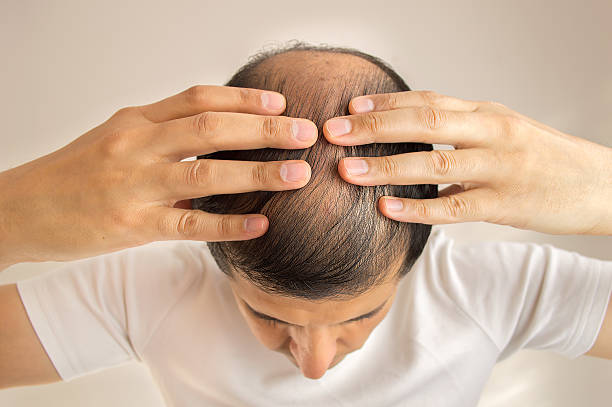
Genetic hair loss is one of the most common reasons people experience gradual thinning, reduced hair density, or a widening appearance around certain areas of the scalp. Because this type of hair loss is influenced by inherited factors, finding an approach that supports healthier-looking hair growth can be an important consideration. GFC Treatment for Hair Abu Dhabi uses concentrated growth factors derived from the patient’s own blood to support the scalp environment and encourage hair follicles to function more effectively. This regenerative approach has gained attention for people looking to improve the appearance of thinning hair without undergoing a surgical hair restoration procedure.
What Is Genetic Hair Loss?
Genetic hair loss is commonly associated with inherited sensitivity within hair follicles. In susceptible individuals, certain follicles gradually become smaller and produce finer, shorter hairs. Over time, this process can lead to noticeable thinning and reduced overall hair density.
The pattern of genetic hair loss can vary between individuals. Some people may notice changes around the hairline, while others experience thinning through the crown or central scalp. Because the progression is influenced by genetics, addressing it often involves supporting the health and function of existing hair follicles.
Understanding the nature of genetic hair loss is important when considering GFC because regenerative treatments are generally focused on supporting follicles that are still present rather than creating completely new follicles.
How Does GFC Treatment Work?
GFC, or Growth Factor Concentrate, is prepared from a small sample of the patient’s blood. The sample is processed to concentrate selected growth factors before the preparation is introduced into targeted areas of the scalp.
Growth factors are naturally occurring substances involved in cellular communication, tissue repair, and regeneration. When delivered to areas experiencing hair thinning, they are intended to support the local environment surrounding the hair follicles.
The objective is to encourage existing follicles to remain active and support healthier-looking hair growth. Because the treatment uses the patient’s own biological material, it follows a regenerative approach rather than relying on an external hair-growth substance.
Can GFC Help With Genetically Thinning Hair?
GFC may help improve the appearance of genetically thinning hair when viable follicles remain within the affected area. The treatment is designed to support follicular activity and encourage an environment that may be more favorable for hair growth.
Genetic hair loss involves gradual changes within susceptible follicles, so the potential value of GFC lies in supporting follicles before they become extensively miniaturized. Hair that has become progressively finer may potentially respond differently from areas where follicles are no longer functioning.
This distinction is important because GFC is not intended to generate entirely new follicles. Instead, it focuses on supporting the follicles already present in the scalp.
Does GFC Stimulate Hair Follicles?
Growth factors play an important role in communication between cells and can influence processes associated with tissue regeneration. GFC treatment aims to concentrate these naturally occurring components and deliver them directly to areas of concern.
When used for hair thinning, the goal is to support the biological environment around the follicles. This may encourage follicles to remain active and potentially improve the thickness and quality of newly growing hair.
The response can vary according to the individual’s stage of hair loss, follicular condition, and other biological factors. People with earlier-stage thinning may have different expectations from those with advanced hair loss.
Is GFC Suitable for Early Genetic Hair Loss?
GFC may be particularly relevant when genetic hair loss is identified at an earlier stage. During early thinning, many follicles may still be producing hair even though individual strands have become finer.
Supporting these follicles while they remain active may help improve the appearance of density and hair quality. Early attention can also be useful because genetic hair loss tends to develop progressively.
However, suitability depends on the individual’s scalp and hair condition. A personalized assessment can help determine whether GFC is an appropriate option and whether the existing follicles are likely to benefit from regenerative support.
Can GFC Improve Hair Thickness?
One of the main goals of GFC hair treatment is to improve the appearance of thinning hair by supporting existing follicles. When follicles respond positively, the resulting hair may appear stronger, fuller, or more substantial.
Hair thickness is different from simply having more follicles. If existing follicles produce thicker strands, the overall appearance of scalp coverage may improve even without creating additional follicles.
For people experiencing genetic hair loss, improving the quality of miniaturized hair can therefore make an important difference in how dense the scalp appears.
Can GFC Help With a Receding Hairline?
A receding hairline can be an early sign of genetic hair loss, particularly when the front and temple areas gradually become thinner. GFC may be considered when active follicles remain in these regions.
The potential improvement depends on how much follicular activity remains. Areas with fine, miniaturized hairs may have greater potential for improvement than areas where hair follicles have been absent for a long period.
Treatment planning also needs to account for the natural shape of the hairline. The goal is generally to support existing growth and improve the appearance of density rather than create an unnatural hairline.
Can GFC Improve Crown Thinning?
Genetic hair loss can also affect the crown, where gradual thinning may become increasingly noticeable. GFC may be used to support follicles in this area when they remain viable.
The crown can sometimes respond differently from other parts of the scalp because hair growth patterns and follicular characteristics vary across the head. The extent of thinning and the condition of the existing follicles are therefore important considerations.
When the crown contains weakened but active follicles, supporting their function may contribute to improved-looking coverage and density.
How Long Does GFC Take to Show Results?
GFC treatment works through biological processes rather than providing an instant change in hair density. Hair follicles require time to respond, and the hair-growth cycle naturally progresses through different stages.
Because of this, visible improvements generally develop gradually. Changes in hair thickness, texture, and overall density may become more noticeable as follicles continue through their growth cycles.
The timeline can differ from person to person. Factors such as the stage of genetic hair loss, follicular condition, and individual response can influence how quickly changes become visible.
Can GFC Stop Genetic Hair Loss Permanently?
GFC should not be viewed as a permanent cure for the genetic factors responsible for hair loss. Its purpose is to support existing follicles and improve the appearance of thinning hair.
Genetic hair loss is influenced by inherited biological characteristics, meaning ongoing management may be important for maintaining hair health over time. GFC can form part of an individualized approach, particularly when the goal is to support existing hair rather than replace lost follicles.
Understanding this distinction helps establish realistic expectations and allows people to evaluate the treatment based on what it is designed to accomplish.
Who May Benefit Most From GFC Hair Treatment?
People with early or moderate genetic hair thinning may be among those who consider GFC treatment. Individuals who still have visible hair in thinning areas may have follicles that can potentially benefit from regenerative support.
The treatment may be less suitable for areas where hair loss is advanced and follicles are no longer producing hair. In such situations, a different hair restoration strategy may need to be considered.
A detailed assessment of the scalp and existing hair pattern is therefore important before deciding whether GFC is appropriate.
Final Thoughts
GFC Treatment for Hair in Abu Dhabi may help people with genetic hair loss by supporting existing hair follicles and encouraging a healthier scalp environment for hair growth. Its potential benefits are particularly relevant when thinning follicles remain active and capable of producing hair. GFC does not create new follicles or permanently remove the genetic cause of hair loss, but it may improve the appearance of hair thickness, density, and quality in suitable individuals. Understanding the stage of hair loss and condition of the existing follicles is essential for developing realistic expectations and choosing an appropriate hair restoration approach.
FAQs
Can GFC help genetic hair loss?
Yes, GFC may support existing follicles and improve the appearance of genetically thinning hair.
Is GFC suitable for early hair loss?
It may be particularly useful when thinning follicles remain active and capable of producing hair.
Can GFC make hair thicker?
GFC may help improve the appearance of hair thickness by supporting weakened or miniaturized follicles.
Can GFC help a receding hairline?
It may support existing follicles around areas of a receding hairline when viable hair growth remains.
Is GFC a permanent cure for genetic hair loss?
No, GFC is designed to support existing follicles rather than permanently eliminate the genetic cause of hair loss.