Good vision plays an important role in everyday life, from reading and working to driving and recognizing people around you. However, many eye problems can develop gradually without causing obvious symptoms. This is why regular eye examinations remain important, even when your vision seems normal.
An eye test at home can be useful as a simple first step for noticing possible changes in vision. It may help you identify issues such as difficulty reading small text, blurred distance vision, or differences between the two eyes. However, home checks cannot replace a comprehensive examination by an eye-care professional.
Understanding what you can safely check at home—and when you should seek professional care—can help you take better care of your eyes.
What Is an Eye Test at Home?
An eye test at home is a basic self-check that can help you notice changes in visual clarity or comfort. It may involve checking how clearly you can see letters or objects at different distances, comparing the vision of each eye, and observing symptoms such as blurring or eye strain.
These checks are screening methods rather than complete eye examinations. A professional examination can assess not only visual sharpness but also other aspects of eye health that cannot be reliably evaluated at home.
Why Check Your Eyes at Home?
Home vision checks can be convenient, particularly when you want to monitor whether your vision appears to have changed since your last examination.
They can help you:
- Notice changes in distance or near vision
- Compare vision between the two eyes
- Identify persistent blurred vision
- Become more aware of eye strain or visual discomfort
- Decide whether a professional eye examination may be appropriate
- Monitor general changes between routine appointments
A home check is most useful when treated as an awareness tool rather than a way to diagnose an eye condition.
Simple Methods for Checking Your Vision at Home
Several straightforward checks can help you observe your vision. They should be performed under comfortable lighting and without deliberately straining your eyes.
1. Check Your Near Vision
Choose a book, newspaper, or other material containing reasonably small text. Hold it at your usual reading distance and try reading several lines.
Pay attention to whether:
- The words appear consistently clear
- You need to hold the material unusually close or far away
- You experience difficulty focusing
- You develop headaches or eye strain while reading
- One eye seems to see differently from the other
Difficulty with near vision can have several causes, including normal age-related changes, refractive errors, or other eye conditions. A professional assessment is needed to determine the reason.
2. Check Distance Vision
Choose a clear object at a comfortable distance, such as a sign or easily recognizable feature across a room. Try identifying details without squinting.
You can also use a properly designed vision chart if you have one available. Follow the instructions that accompany the chart because distance, lighting, and viewing conditions can affect the result.
A home distance-vision check can indicate that your vision has changed, but it does not determine whether you need a particular lens prescription.
3. Test One Eye at a Time
Cover one eye gently without pressing on it and look at the same object. Then repeat the check with the other eye.
This simple comparison can help you notice an obvious difference in clarity between your eyes.
Do not assume that a difference automatically means you have an eye disease. Some people naturally have different levels of refractive error between their eyes. If the difference is new, significant, or associated with other symptoms, professional evaluation is appropriate.
4. Pay Attention to Visual Comfort
Vision is not only about whether letters look clear. Notice how your eyes feel during normal activities.
Common symptoms worth observing include:
- Burning or irritation
- Excessive watering
- Dryness
- Frequent headaches after visual tasks
- Difficulty focusing
- Increased sensitivity to light
- Eye fatigue after prolonged screen use
These symptoms can have different causes, so they should not be used for self-diagnosis.
Can You Check Your Eye Health Without Equipment?
Only to a limited extent. You can observe visual changes and symptoms at home, but many important parts of an eye examination require specialized equipment.
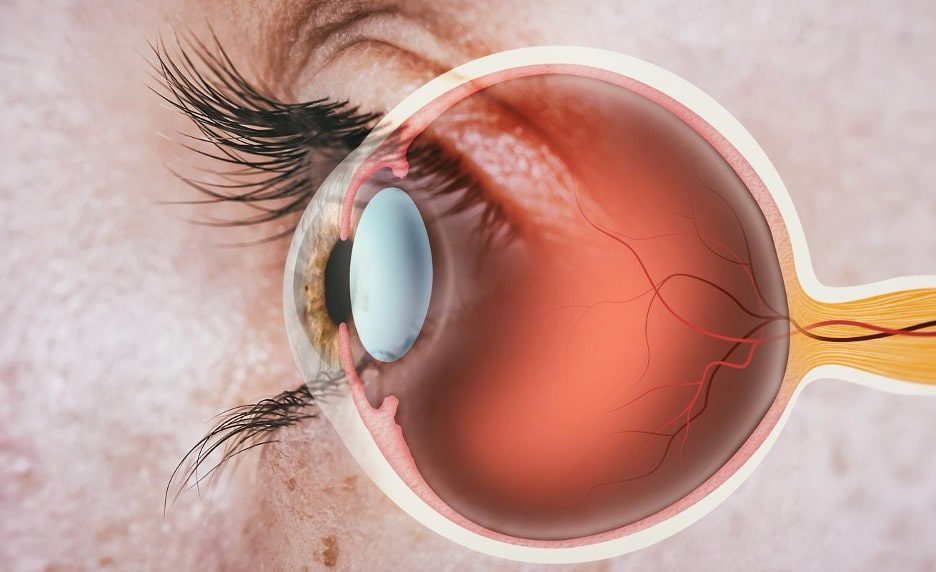
A comprehensive examination may include assessment of visual acuity, refraction, eye movements, pupils, the front structures of the eye, and the retina. Depending on your symptoms and medical history, an eye-care professional may recommend additional tests.
This is particularly important because some eye conditions may not produce noticeable changes in everyday vision during their early stages.
When Should You Get a Professional Eye Examination?
A home check should not delay professional care when symptoms are persistent, worsening, or concerning.
Consider arranging an eye examination if you notice:
- Persistent blurred vision
- Difficulty seeing clearly at night
- Frequent headaches associated with visual tasks
- A noticeable change in vision
- Increasing difficulty reading or seeing distant objects
- Double vision
- Persistent eye pain or discomfort
- Repeated changes in visual clarity
People who already wear glasses or contact lenses may also need periodic examinations to determine whether their prescription remains appropriate.
Warning Signs That Need Prompt Medical Attention
Some changes in vision should not be monitored only at home.
Seek prompt medical attention for symptoms such as sudden loss of vision, a sudden increase in floaters, flashes of light, a curtain-like shadow across your vision, significant eye pain, or sudden double vision.
These symptoms can sometimes be associated with urgent eye problems. Prompt assessment can be important.
Eye Tests at Home for Children
Parents may wonder whether they can check their child’s eyesight at home. Simple observation can provide useful clues, but children may not always recognize or communicate visual difficulties.
Watch for behaviors such as:
- Sitting unusually close to the television
- Holding books very close to the face
- Frequent squinting
- Covering one eye while reading
- Difficulty following objects
- Frequent rubbing of the eyes
- Avoiding reading or other visually demanding activities
These signs do not necessarily indicate an eye disorder. However, if they occur repeatedly, discussing them with an eye-care professional can be helpful.
How Screen Use Can Affect Visual Comfort
Long periods of screen use can contribute to temporary eye discomfort. People may experience dryness, tired eyes, difficulty focusing, or headaches after extended periods of concentrated screen work.
Simple habits can make screen use more comfortable:
- Take regular breaks from close-up screen work.
- Blink normally rather than staring continuously.
- Keep your screen at a comfortable viewing distance.
- Avoid excessive glare.
- Use appropriate lighting in the room.
- Maintain a comfortable posture.
These habits support visual comfort but do not replace routine eye examinations.
Home Vision Checks vs. Professional Eye Examinations
A home check and a professional eye examination serve different purposes.
Home checks can help you notice changes in everyday vision and decide whether further evaluation may be needed.
Professional examinations are designed to assess vision more comprehensively and identify problems that may not be apparent through simple observation.
Therefore, the best approach is not to choose one over the other. Use simple home observations to stay aware of your vision while following appropriate professional eye-care recommendations.
Frequently Asked Questions
1. Can I perform an eye test at home?
Yes, you can perform simple vision checks at home, such as testing near and distance vision or comparing each eye separately. However, these checks cannot provide a complete assessment of eye health or replace a professional examination.
2. How can I check whether one eye is weaker than the other?
Look at the same object while gently covering one eye and then the other. If one eye consistently appears much blurrier than the other, especially if this is a new change, consider arranging a professional eye examination.
3. Can a home eye test detect eye diseases?
A basic home check cannot reliably detect many eye diseases. Some conditions may develop without obvious symptoms, which is why comprehensive professional examinations remain important.
4. When should I seek urgent help for a change in vision?
Sudden vision loss, new flashes of light, a sudden increase in floaters, a curtain-like shadow, significant eye pain, or sudden double vision should receive prompt medical attention.
5. Are online vision tests the same as professional eye examinations?
No. Online or home vision tests may provide a basic indication of visual clarity, but they do not assess all aspects of eye health and should not be treated as a substitute for an examination by an eye-care professional.
Conclusion
An eye test at home can be a convenient way to become more aware of changes in your vision. Simple checks can help you notice differences in near or distance vision, compare the two eyes, and recognize symptoms that may deserve professional attention. However, they should be viewed as basic screening observations rather than a diagnosis.
For people looking for convenient ways to stay aware of their vision and understand when professional assessment may be appropriate, EyeSetu provides a relevant patient-focused approach to eye-care access. Regular professional examinations, combined with attention to changes in everyday vision, can support better long-term eye health.