Infrared heating technology produces radiant energy that transfers heat directly to objects, surfaces, and people rather than relying on warmed air to distribute thermal energy throughout a space. This approach is increasingly used in industrial environments and large facilities where reliable and targeted heating is required. By producing infrared radiation, industrial infrared heating systems provide focused warmth with rapid heat transfer, making them suitable for warehouses, factories, workshops, and other spacious work areas. Their adaptable design also enables heating solutions to be configured according to specific operational requirements while promoting efficient energy use. This overview examines how infrared heating operates and its practical applications across industrial environments.
Maintaining Consistent Temperatures in Large Industrial Facilities
Industrial infrared-heating systems offer a practical solution for controlling temperatures throughout expansive facilities. Rather than warming large volumes of surrounding air, these systems transfer radiant energy directly to surfaces and objects, ensuring heat reaches areas where it is required.
This approach is particularly beneficial in factories, warehouses, and manufacturing environments where conventional heating methods may be less effective across high ceilings and broad open spaces. Infrared technology delivers focused warmth and can contribute to more even temperature distribution across large areas. Directing thermal energy towards selected zones instead of unused sections can improve heating efficiency while helping control overall energy consumption.
The rapid transfer of heat also allows extensive areas to reach suitable temperatures in less time, which may reduce heating delays and support continuous operations. Infrared systems can be arranged according to specific facility requirements, enabling particular work zones and environmental conditions to receive appropriate heating while maintaining efficient energy use.
Providing Focused Infrared Heat across Large Work Areas
Industrial infrared-heating systems create controlled warmth across extensive workplaces by producing radiant energy that heats objects and surfaces directly. This approach reduces reliance on heated air and may limit energy losses associated with air circulation. These characteristics make infrared heating suitable for warehouses, production facilities, and other industrial environments where maintaining stable temperatures across large areas can be challenging.
Unlike conventional air-based heating, infrared technology is less influenced by the tendency of warm air to rise. Thermal energy can instead be directed towards occupied lower areas where workers and equipment operate. This makes the technology particularly appropriate for high-ceiling buildings and open layouts, where achieving consistent warmth within occupied zones may otherwise be difficult.
Heating units can be strategically arranged around workstations, production sections, and other priority areas to deliver concentrated warmth. The combination of focused heat distribution and quick response enables large spaces to reach suitable conditions efficiently while supporting workplace comfort, energy control, and productive operations.
Applying Infrared Heating across Industrial and Commercial Areas
Infrared heating systems can effectively serve warehouses, workshops, and commercial facilities where heating requirements differ between large or frequently changing areas. Instead of distributing heat across every part of a building, infrared technology allows thermal energy to be concentrated around occupied spaces, workstations, and active operational zones. This targeted approach can reduce unnecessary energy consumption while maintaining suitable conditions for employees and ongoing activities.
Heating arrangements can be tailored to individual building characteristics, including extensive floor areas, elevated ceilings, and specific temperature requirements. The quick delivery of radiant warmth may also shorten the time needed to establish comfortable working conditions, helping facilities operate more efficiently. Its ability to provide targeted heating within structurally demanding spaces makes infrared technology suitable for a wide range of industrial and commercial environments.
Distinguishing Infrared Home Heaters from Industrial Heating Systems
Infrared home heaters are primarily intended for residential settings, providing compact heating solutions for individual rooms and smaller household areas. Industrial infrared-heating systems, by comparison, are designed for larger environments such as factories, warehouses, and workshops where considerably higher heating capacity may be necessary. The distinction mainly involves the scale, output, and construction required to heat extensive facilities effectively.
Industrial systems can be planned around open floor layouts, high ceilings, defined heating zones, and demanding working conditions to provide suitable thermal coverage. Residential heaters generally emphasise compact design and convenient operation for household spaces. Industrial equipment may use stronger construction and specialised components to operate within demanding environments, providing the durability and heating capacity needed for large-scale applications.
Energy Consumption Considerations for Industrial Infrared Applications
Industrial infrared-heating systems are engineered to provide efficient energy use by focusing on direct heat transfer to objects and surfaces, minimising energy lost to the surrounding air. Unlike conventional heating methods that warm entire air volumes, these systems ensure that energy is concentrated where it is most effective. The advanced design of industrial infrared heaters enables them to convert a significant portion of the energy consumed into usable heat, reducing overall operational costs.
However, the efficiency of these systems depends on several factors, including the quality of installation and the specific configuration of the heating setup. Strategically placing heaters to target key areas within a facility can further enhance energy conservation. Proper insulation of the building plays a crucial role in maintaining the desired temperatures and preventing heat loss. Regular maintenance ensures the system operates at peak efficiency, further reducing energy consumption over time.
Heat Coverage Challenges across High-Ceiling Industrial Buildings
High-ceiling industrial buildings often face unique heating challenges due to the vast vertical space, which can lead to uneven temperature distribution. Warm air naturally rises, creating stratification issues that conventional heating systems struggle to overcome. Infrared heating technology offers an effective solution by emitting radiant heat that directly warms objects, surfaces, and people at ground level rather than the surrounding air.
This targeted approach ensures consistent heat delivery across areas where it is most required, reducing energy wastage. The flexibility of infrared heaters allows them to be strategically positioned to focus on critical zones, addressing specific heating requirements. The quick heat-up time ensures efficient operation in environments with large open spaces and varied activity levels, enabling industrial facilities to maintain productive working conditions regardless of architectural challenges posed by high ceilings.
Reducing Operating Costs through Infrared Heating Panel Efficiency
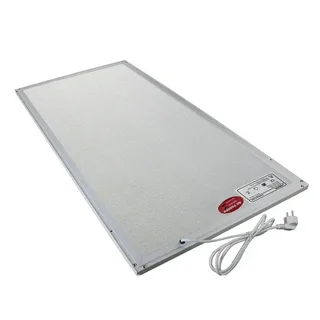
Infrared-heating panels deliver direct warmth by transferring thermal energy towards objects and surfaces instead of depending primarily on heated air. This focused heating method can help limit unnecessary energy consumption, while infrared heating panels efficiency can contribute to reduced operating expenses. Their ability to produce heat quickly can shorten the time required to reach suitable temperatures and support more efficient energy use.
Reliable panel performance can also reduce dependence on additional heating equipment, providing further opportunities to manage operating costs. Infrared-heating panels are generally built for durability and require comparatively little maintenance, which may help minimise long-term servicing expenses. Correct positioning and configuration can promote effective heat distribution, limit unnecessary losses, and maintain more stable warmth throughout designated areas.
Optimising Heating Zones across Large Facilities
Zonal temperature control enables infrared heating systems to accommodate the varying requirements of different sections within extensive facilities. Areas such as workstations, storage spaces, and loading zones can have individual temperature settings based on their occupancy and purpose. Limiting heating in unused or less important areas can improve energy efficiency while helping reduce overall operating expenditure.
Focused heat distribution directs thermal energy towards locations where it is most useful, maintaining comfortable conditions in occupied areas without unnecessarily warming vacant sections. Infrared heaters are well suited to zonal heating because their radiant output can deliver concentrated warmth across demanding industrial environments while allowing individual areas to be managed according to their specific requirements.
Key Installation Considerations for Industrial Heating Efficiency
Proper installation has a significant influence on the performance and efficiency of industrial infrared-heating systems. Heater placement and orientation determine how effectively thermal energy reaches designated areas while helping minimise unnecessary heat losses. Considerations including ceiling height, facility dimensions, unit spacing, and internal layouts should be evaluated carefully. Insulation levels and physical obstructions may also influence heat distribution and overall system effectiveness.
Since every facility has different structural and operational characteristics, the installation strategy should reflect its individual requirements. Suitable mounting methods and carefully selected positions can direct warmth towards priority areas and promote dependable operation. Advanced control technologies may also be incorporated during installation to improve temperature management and energy use, allowing heating performance to respond more effectively to changing facility needs.
Centralised Temperature Control with a Central Heating Panel
A central heating panel can provide coordinated control of multiple infrared heating units across large facilities. By creating a central point for system management, this arrangement can simplify operation while supporting consistent temperature adjustments across different areas. Separate heating zones can be regulated more precisely, helping direct thermal energy according to specific workplace requirements.
Programmable controls can be used to establish heating schedules based on occupancy, working periods, and facility activities. Centralised operation can further support energy efficiency by reducing heat output in unused areas while maintaining appropriate temperatures in priority zones. Combining multiple heating functions through a central-heating panel can also reduce manual adjustments and promote more consistent performance throughout extensive facilities.
Effective Planning for Large-Scale Infrared Heating Systems
Implementing infrared heating across a large facility requires detailed planning to support efficient operation and reliable performance. Evaluating ceiling height, floor layout, insulation, and heating demands helps establish a suitable system design. Professional installation can ensure heating units are positioned and configured appropriately, reducing unnecessary energy losses and supporting consistent thermal coverage throughout the facility.
Advanced control systems can provide further opportunities for energy management by allowing accurate temperature regulation across separate zones. Routine maintenance, including cleaning and component inspections, can help maintain system efficiency and extend operating life. Energy monitoring can also reveal consumption patterns, making it easier to identify areas of inefficiency and adjust operational settings when required.
Conclusion
Infrared heating systems provide a practical approach to temperature management in large industrial and commercial environments. Their ability to direct warmth towards surfaces and objects rather than relying mainly on heated air can support efficient energy use and more stable thermal conditions. Advanced controls and zonal heating features provide additional flexibility, allowing different areas to receive heating according to operational requirements. When appropriately installed and regularly maintained, infrared technology can help manage heating demands while supporting comfortable and energy-conscious conditions across expansive facilities.
FAQs
What advantages do industrial infrared heating systems provide?
Industrial infrared heating systems deliver focused warmth across large spaces while helping minimise unnecessary energy use. Their targeted operation can provide consistent heating and may contribute to lower ongoing operating costs.
How can infrared heating panels improve energy efficiency?
Infrared heating panels direct thermal energy towards surfaces and objects rather than primarily heating the surrounding air. This targeted approach can reduce energy requirements while supporting more economical long-term operation.
Can infrared home heaters be used in industrial settings?
Infrared home heaters are generally designed for smaller residential areas and may not provide the heating capacity, robust construction, or durability required for demanding industrial environments.
Which factors influence industrial infrared heater efficiency?
Installation quality, heater positioning, building insulation, and regular servicing can all influence the performance and energy efficiency of industrial infrared-heating systems.
How can zonal heating support large facilities?
Zonal heating enables individual areas to receive controlled levels of warmth, directing heat towards occupied or operational spaces while limiting unnecessary heating across areas that are not in use.
What should be considered when installing large-scale infrared heating?
Effective planning, professional installation, suitable control equipment, and regular maintenance are important considerations for achieving reliable operation and maintaining efficient large-scale infrared heating.
| Related Business Listings |
| Contact Directory |
| Local Business Profiles |