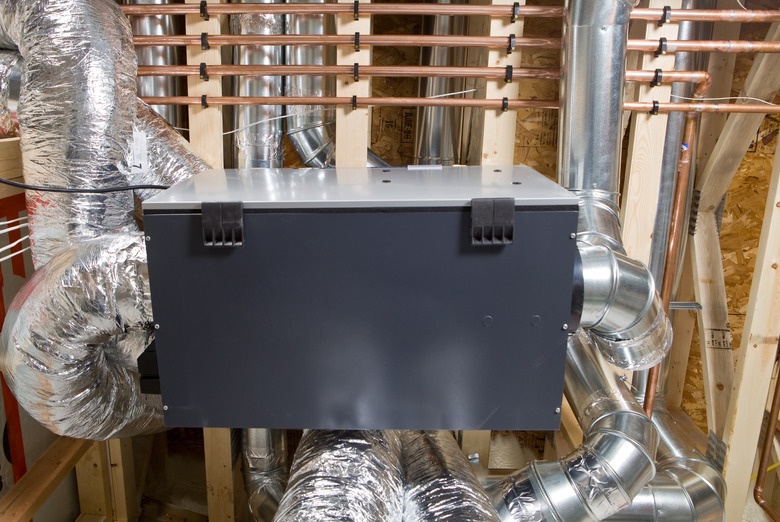
A home air exchanger can support healthier and more comfortable living spaces by continuously replacing stale indoor air with filtered outdoor air. This ongoing exchange helps manage humidity, reduce condensation, and limit the accumulation of airborne contaminants such as dust and allergens. The fresh air exchange system is particularly useful in modern, tightly sealed properties where natural ventilation may be insufficient. By promoting consistent airflow, it can help maintain balanced indoor conditions while supporting better air quality throughout the home. Systems incorporating heat recovery can also retain useful thermal energy during ventilation, reducing unnecessary heating or cooling demands. This combination of controlled ventilation and energy-conscious operation makes fresh air exchange technology a practical consideration for comfortable and sustainable residential environments.
How Fresh-Air Exchange Technology Operates
Fresh-air exchange systems use a controlled ventilation process to replace stale indoor air with cleaner outdoor air. Fans draw fresh air into the property while separate exhaust pathways remove used air from kitchens, bathrooms, bedrooms, and other occupied areas. Filters can help capture dust, pollen, and other airborne particles before incoming air is distributed through the home, supporting a cleaner indoor environment.
In systems equipped with heat recovery, outgoing and incoming air pass through separate channels within a heat exchanger. Thermal energy from the expelled air can be transferred to the incoming stream without allowing the two airflows to mix. This process helps maintain comfortable indoor temperatures while reducing the energy required for heating or cooling.
Planning an Efficient House Fresh Air System Design
An effective house fresh air system requires careful consideration of the property’s size, layout, occupancy levels, and existing ventilation arrangements. Airflow requirements should be assessed to ensure sufficient fresh air reaches frequently occupied areas while stale air is efficiently removed from moisture-prone spaces. Appropriate system capacity helps maintain balanced ventilation without unnecessary energy consumption.
Duct placement is another important consideration, as poorly planned pathways can restrict airflow and reduce overall performance. Filter specifications, heat exchanger efficiency, accessibility for maintenance, and operating noise should also influence system selection. Thoughtful planning allows the ventilation system to integrate effectively with the property while supporting consistent airflow, indoor comfort, and long-term energy efficiency.
Benefits of Fresh-Air Ventilation in Homes
Fresh-air ventilation in homes offers significant improvements in creating a healthier indoor environment. By facilitating the consistent circulation of outdoor air and expelling indoor contaminants, these systems help to minimise the presence of airborne irritants such as pollen, dust, and other allergens. They play an essential role in regulating indoor humidity, which can reduce the likelihood of mould growth and damp-related issues. This contributes to maintaining a home’s structural integrity and a more comfortable living environment.
Fresh-air ventilation also aids in mitigating odours and stale air, ensuring a more pleasant atmosphere throughout the home. These systems are especially beneficial in homes with limited natural airflow, as they provide consistent ventilation without requiring windows or doors to remain open, supporting energy efficiency and better control over indoor climate conditions.
Energy-Saving Features of Fresh-Air Exchange Systems
Fresh-air exchange systems can improve energy efficiency by recovering useful thermal energy during the ventilation process. Heat recovery technology transfers warmth from outgoing indoor air to incoming outdoor air, helping reduce the heating demand required to maintain comfortable temperatures. Some advanced systems can also manage humidity alongside heat, supporting more balanced indoor conditions while limiting unnecessary energy consumption.
Efficient fans, insulated ductwork, and responsive control systems can further contribute to economical operation. By adjusting airflow according to indoor requirements, these features help prevent excessive ventilation and associated energy losses. When appropriately designed for a property, fresh-air exchange technology can support comfortable indoor conditions while contributing to lower energy use and more sustainable residential operation.
Installation Requirements for a Residential Air Exchanger
Installing a residential air exchanger requires careful assessment of the property’s ventilation requirements, available space, and existing heating or cooling infrastructure. The positioning of intake and exhaust points, ductwork, vents, and the exchanger should be planned to promote balanced airflow. Properly sealed and insulated ducts can minimise air leakage and unnecessary thermal losses, supporting efficient system operation.
Electrical connections and control components should be configured correctly to promote safe and dependable performance. New properties can incorporate ventilation infrastructure during construction, while existing homes may require additional modifications when installing a new system. After installation, airflow and system controls should be tested to confirm appropriate operation and ensure the equipment functions according to its intended design.
Maintaining Air Exchange Systems for Reliable Operation
Regular maintenance helps preserve the efficiency, airflow, and reliability of air exchange systems. Filters should be inspected and cleaned or replaced at appropriate intervals to prevent dust accumulation from restricting airflow. Ductwork should also be checked for blockages, damage, or air leakage that could affect ventilation performance. The heat exchanger should receive periodic attention to ensure accumulated dirt does not interfere with effective thermal transfer.
Fans, motors, controls, and other mechanical components should be inspected for unusual noise, wear, or operational issues. Addressing minor problems early can help prevent more significant performance concerns and unnecessary repair costs. Following a suitable maintenance schedule based on equipment requirements helps extend service life while supporting consistent indoor air quality and energy-efficient ventilation.
Impact on Indoor Air Quality
Fresh-air exchange systems significantly influence indoor air quality by reducing the concentration of airborne contaminants within living spaces. These systems incorporate effective filtration mechanisms to capture particles such as dust, allergens, & other pollutants, promoting a cleaner environment. They also assist in regulating indoor humidity levels, which can mitigate the risk of mould growth and prevent musty odours.
By continuously refreshing the air, these systems help to minimise the accumulation of volatile organic compounds often emitted by household products and furnishings. Additionally, they support better air circulation, which enhances the overall freshness and comfort of the indoor atmosphere. Such features collectively contribute to creating a healthier and more comfortable residential setting.
Regulations & Standards
Ventilation systems are subject to strict regulations and standards designed to promote safety, efficiency, & indoor air quality. These requirements address various aspects, including system performance, airflow rates, and energy efficiency, ensuring the equipment operates effectively within residential settings.
Specific guidelines may also outline acceptable noise levels and the use of certified materials in system construction. Standards often mandate proper installation techniques to prevent issues such as air leakage or inadequate ventilation coverage.
Furthermore, periodic inspections and maintenance may be recommended to maintain compliance and optimise functionality. Following these regulations not only ensures the system meets required benchmarks but also helps maintain a comfortable and healthy indoor environment in accordance with national and local building codes.
Fresh Air Systems Compared with Conventional Ventilation
Fresh air systems provide a more controlled approach to ventilation than conventional methods that primarily rely on windows, vents, or uncontrolled air movement. Traditional approaches can produce inconsistent airflow and may allow conditioned indoor air to escape without recovering its thermal energy. Modern systems can instead regulate the volume of incoming and outgoing air while using filtration to support cleaner indoor conditions.
Heat recovery technology can further improve efficiency by transferring thermal energy between separate air streams during ventilation. Automated controls and balanced airflow also allow the system to respond more effectively to changing indoor requirements. These features make fresh air systems a practical option for properties seeking improved ventilation, consistent comfort, and more efficient energy use.
Innovations Shaping Fresh Air Ventilation Technology
Recent developments in fresh air ventilation are improving the way residential properties manage airflow and indoor environmental conditions. Smart sensors can monitor factors such as temperature, humidity, and air quality, allowing ventilation rates to adjust according to changing requirements. Automated controls can also help coordinate airflow with occupancy patterns and daily household activities.
Filtration technology continues to advance, providing improved removal of fine airborne particles and other contaminants. Energy recovery systems are also becoming more sophisticated, allowing thermal energy to be retained during air exchange. These developments support efficient ventilation while reducing unnecessary energy use and creating adaptable solutions for modern residential environments.
Financial Advantages of Fresh Air Systems
Fresh air systems can provide potential long-term financial benefits by improving ventilation efficiency and reducing unnecessary heating and cooling requirements. Heat recovery technology allows useful thermal energy from outgoing air to be transferred to incoming air, helping maintain comfortable indoor temperatures without placing excessive demands on climate-control equipment. Efficient airflow management can further reduce energy consumption during ongoing operation.
The overall financial value depends on factors such as system efficiency, property characteristics, energy prices, installation costs, and maintenance requirements. Reduced energy use may help offset the initial investment over time, while durable components and appropriate servicing can support reliable performance. Evaluating both upfront and ongoing expenses provides a clearer understanding of the potential economic benefits of efficient residential ventilation.
Conclusion
Installing a house fresh air exchange system offers an essential upgrade for maintaining optimal indoor air quality & thermal comfort in modern residences. By continuously capturing thermal energy from outgoing stale air and pre-tempering incoming fresh outdoor air, these advanced exchangers significantly enhance residential energy efficiency. Integrated filtration mechanisms capture airborne allergens, fine dust, and environmental pollutants, while dynamic humidity control curbs condensation and structural mould issues. Thoughtful system planning, insulated ductwork, and adherence to building standards ensure long-lasting performance.
FAQs
Why is heat recovery technology vital for residential fresh air systems?
Heat recovery technology is important because it captures thermal energy from outgoing stale air and uses it to pre-condition incoming fresh air. This controlled transfer helps minimise fluctuations in indoor temperature while reducing the workload placed on central heating and cooling systems. As a result, residential fresh air systems can provide effective ventilation while supporting improved energy efficiency and indoor comfort.
How does a fresh air exchange system work?
A fresh air exchange system continuously replaces stale indoor air with filtered outdoor air using dedicated intake and exhaust fans. As the two air streams pass through a central heat exchanger, thermal energy moves from the outgoing air to the incoming air without the streams mixing. This process supplies pre-conditioned fresh air, supports stable indoor temperatures, and can reduce heating and cooling demands.
What regular maintenance ensures a fresh air exchanger operates effectively?
Maintaining a fresh air exchanger requires inspecting and cleaning or replacing air filters every six to twelve months to prevent airflow restriction. Homeowners should periodically clear intake grilles of debris, while qualified technicians should inspect ductwork for leaks, evaluate mechanical fans, and clean the heat exchanger core to sustain maximum energy recovery, system durability, and indoor air cleanliness.
How do fresh air systems compare to traditional natural ventilation methods?
Fresh air systems outperform traditional ventilation by delivering controlled, continuous air exchange equipped with advanced particulate filtration and heat recovery. Natural ventilation relies on open windows, allowing untreated outdoor pollutants, dust, and extreme temperatures inside while wasting energy. Automated fresh air exchangers maintain precise humidity control, clean air intake, and stable indoor temperatures, offering a far more efficient, sustainable solution.
| Related Business Listings |
| Contact Directory |
| Local Business Profiles |