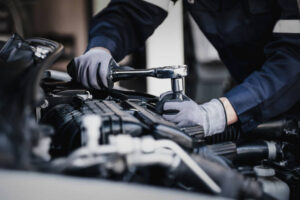
Professional mechanic working on the engine of the car in the garage. Car repair service. The concept of checking the readiness of the car before leaving.
Cars rarely fail without warning, but the signals are easy to miss when you are busy, late, or hoping the problem will fix itself. A small noise or a faint smell is often the first hint that something needs attention. If you are looking into Car Repair in Provo UT, learning to recognize these signals gives you a head start and helps you explain problems clearly to a technician. Local shops such as Knight Motor Company hear the same stories every week, and the drivers who act early almost always spend less than the ones who wait.
Sounds and Sensations You Can Hear or Feel
1. Squealing or Grinding When You Brake
A high squeal often means the pads are wearing thin, while grinding can mean metal is rubbing metal. Either one is a reason to have the brakes inspected soon. Ignoring grinding can damage rotors and turn a modest repair into a larger one. If the car also takes longer to stop than it used to, treat that as a safety issue and do not postpone the visit.
2. Clunking or Knocking Over Bumps
Noises from the suspension usually point to worn bushings, ball joints, or shocks. The car may also feel loose in corners or bounce longer than it should. These parts affect handling and tire wear, so they are worth checking early. Utah roads with seasonal potholes and winter salt can speed up this kind of wear more than many drivers expect.
3. Vibration Through the Steering Wheel
A shake at highway speed often comes from unbalanced tires, while vibration during braking can signal warped rotors. Pulling to one side may point to alignment or tire problems. A quick inspection usually finds the cause without much guesswork.
Lights, Smells, and Fluids Worth Noticing
4. A Dashboard Warning Light
A steady check engine light means the computer has stored a fault code, and a flashing one usually calls for immediate attention. Oil pressure and battery lights should never be ignored. Modern diagnostic tools can read the code and narrow down the problem quickly. Keep in mind that a code points toward a system, not always a single part, so a good technician confirms the cause before replacing anything.
5. Burning or Sweet Smells
A sweet odor can indicate a coolant leak, while burning smells may come from oil on hot parts, a slipping belt, or overheated brakes. Trust your nose, since smells often show up before gauges move. If the temperature gauge rises, pull over safely and shut the engine off.
6. Puddles or Stains Under the Car
Fluid color gives clues. Dark brown or black often suggests oil, bright green or orange can mean coolant, and reddish fluid may come from the transmission or power steering. Place a clean piece of cardboard under the car overnight to see where the drip starts.
Performance Changes That Add Up
7. Rough Idle, Stalling, or Hard Starts
If the engine shakes at a stop, hesitates, or struggles to start, it could be worn spark plugs, a weak battery, or a fuel or air delivery issue. These problems tend to get worse gradually, so catching them early keeps repairs simpler. A battery that is more than a few years old is a common culprit, especially after a cold snap, and a quick test takes only minutes.
8. A Sudden Drop in Fuel Economy
When you are filling up more often with the same driving habits, something is probably off. Dirty filters, faulty sensors, or low tire pressure can all waste fuel. Choosing Car Repair in Provo UT from a shop that checks the whole system helps you find the real cause instead of treating one symptom.
Quick Reference: What Each Sign Often Means
Use this table as a starting point, remembering that only an inspection can confirm the true cause. Urgency ratings are general guidelines, and any sign that affects braking, steering, or overheating should be treated seriously.
| Warning Sign | Common Cause | Urgency | Best Next Step |
|---|---|---|---|
| Grinding brakes | Worn pads or damaged rotors | High | Inspect brakes right away |
| Flashing check engine light | Engine misfire | High | Reduce speed and get it checked |
| Sweet smell or steam | Coolant leak | High | Stop driving if overheating |
| Steering wheel shake | Tire balance or alignment | Medium | Schedule within days |
| Clunking over bumps | Worn suspension parts | Medium | Book an inspection soon |
| Poor fuel economy | Filters, sensors, tires | Low to medium | Include in next service visit |
Choosing a Shop You Can Trust
Look for Clear Communication
A good shop explains the problem in plain language, shows you the worn part when possible, and provides a written estimate before work begins. In my experience, drivers who ask questions and receive straight answers are far more satisfied with the final result.
Check Experience and Reputation
Read recent reviews and ask about technician training and warranty terms. Established shops stand behind their work and are happy to explain what is covered, including how long parts and labor are protected. It also helps to ask whether the shop uses quality parts and whether it will return old parts on request. Honest Car Repair in Provo UT should come with clear recommendations that separate urgent needs from optional ones.
Final Thoughts
Paying attention to what your car tells you is one of the simplest ways to avoid breakdowns and keep repair costs under control. Note the symptoms, act early, and choose a shop that communicates openly. When you are ready, contact a trusted Car Repair in Provo UT team and ask for a full inspection and written estimate.
Frequently Asked Questions
Is it safe to drive with the check engine light on?
A steady light usually means you can drive carefully to a shop soon, but a flashing light signals a more serious problem. Continuing to drive with a misfire can damage expensive parts. When in doubt, have the car checked as soon as possible.
How often should I have my car inspected?
Many drivers benefit from a general inspection at least once a year, along with the maintenance schedule in the owner’s manual. High mileage or heavy use may call for more frequent checks. Regular inspections catch small issues before they become costly.
What information should I give the technician?
Describe when the problem happens, such as cold starts, braking, turning, or high speeds. Mention any sounds, smells, or warning lights you noticed. The more detail you share, the faster the technician can find the cause.
Does ignoring a small problem really cost more later?
Often, yes, because worn parts can damage other components if left alone. A simple brake pad replacement is far cheaper than replacing pads and rotors together. Early attention usually keeps repairs smaller and safer.
Can I get a second opinion on a repair?
Yes, and it is a reasonable step for larger repairs. Ask for a written estimate and a clear explanation of the issue so another shop can review it. A trustworthy shop will not mind you taking your time.