Emergency AC Repair Near Me: What to Do While You Wait for Help
When the air conditioner fails in the middle of a Texas summer, panic sets in quickly. Temperatures inside the house climb, sleep becomes impossible, and every minute feels like an hour. Most homeowners immediately search for emergency ac repair near me and start calling numbers. But between that first call and the technician’s arrival, there are practical steps that protect your family, your home, and your equipment. Knowing what to do during that waiting period makes a difficult situation more manageable and can prevent further damage.
Stay Calm and Assess the Situation
The first instinct is often to assume the worst. A system that stops cooling may have a serious problem, or it may be something simple like a tripped breaker or a clogged filter. Before assuming the compressor has failed, take a few minutes to check the basics.
Look at the thermostat. Is it set to cool, or was it accidentally switched to heat or fan only? Check the breaker panel to see if the outdoor unit has tripped. Look at the air filter to see whether it is clogged with dust. These simple checks sometimes reveal an easy fix, and if they do not, you will have useful information to share with the technician when they arrive.
Call a Reputable Provider Immediately
Once you have confirmed the problem is real, call a professional. When searching for emergency ac repair near me, look for companies that explicitly advertise emergency service and confirm their after-hours availability. Ask how quickly they can arrive and what the diagnostic fee will be.
While on the phone, describe the symptoms clearly. Is the system blowing warm air? Is it making unusual noises? Is there water leaking around the indoor unit? Is the outdoor unit running at all? Clear information helps the dispatcher prioritize your call and prepare the technician with likely parts and tools.
Keep Your Home as Cool as Possible
While waiting for help, take steps to keep the house comfortable. Close blinds and curtains on windows that receive direct sunlight. Use fans to circulate air, even though they do not cool it. Open windows in the evening if outdoor temperatures drop, but keep them closed during the hottest part of the day.
Avoid using the oven or other heat-producing appliances. Take cool showers if needed. Move family members to the lowest level of the home, since cool air settles. If the situation becomes unsafe, especially for vulnerable family members, consider temporarily relocating until the system is repaired.
Protect Vulnerable Family Members
Heat affects some people more than others. Infants, older adults, and anyone with chronic medical conditions face higher risks. Watch for signs of heat exhaustion, including dizziness, nausea, headache, and fatigue. Keep water available and encourage everyone to stay hydrated.
If you have pets, make sure they have access to cool water and shade. Never leave pets or children in a car, even briefly. If the indoor temperature climbs above safe levels, do not hesitate to seek alternative shelter. A few hours at a cooling center or a relative’s home is far better than risking heat-related illness.
Turn the System Off If Something Seems Wrong
If the system is making loud noises, smells like burning, or is leaking water, turn it off at the thermostat and the breaker. Continuing to run a malfunctioning system can cause further damage or create safety hazards. A technician can diagnose the problem more effectively if the system has not been stressed by repeated attempts to start.
If you notice ice on the refrigerant lines, turn the system off and let it thaw. Running a system with ice buildup can damage the compressor, which is one of the most expensive components to replace. Patience during this step can save significant money later.
Prepare for the Technician’s Arrival
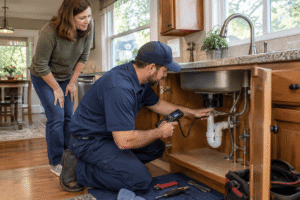
Clear access to the indoor and outdoor units. Move furniture, boxes, or plants that might block the technician’s work. If you have pets, secure them in a separate room so they do not interfere or escape when the door opens.
Gather any relevant information. When was the system last serviced? What problems has it had before? Is it still under warranty? Having this information ready helps the technician work efficiently and may save you money on unnecessary diagnostics. A prepared homeowner makes the visit smoother for everyone.
Understand What the Diagnostic Visit Involves
When the technician arrives, they will inspect the system, test components, and identify the cause of the failure. This diagnostic process takes time and should not be rushed. Ask questions if anything is unclear, and request an explanation of the recommended repair before authorizing work.
Get a written estimate before any repair begins. Confirm what parts are needed, how long the repair will take, and what the total cost will be. A reputable provider explains these details clearly and does not pressure you into decisions you do not understand. TX Air Mechanics LLC approaches emergency repairs with this kind of transparency, ensuring homeowners know what is happening and why.
Know When to Repair and When to Replace
Sometimes an emergency repair is straightforward and inexpensive. Other times, the failure reveals that the system is nearing the end of its life and replacement makes more financial sense. A good technician explains both options honestly and helps you weigh the costs.
Consider the age of the system, its efficiency rating, and the cost of the repair compared with replacement. If the system is more than ten to fifteen years old and facing a major repair, replacement may be the smarter investment. Emergency situations make it tempting to choose the fastest fix, but a thoughtful decision now prevents another crisis later.
Prevent Future Emergencies
Once the immediate crisis is resolved, take steps to prevent the next one. Schedule regular maintenance, change filters on time, and address small issues before they become failures. A well-maintained system is far less likely to break down during peak demand.
Many contractors offer maintenance plans that include seasonal inspections and priority service. These plans often pay for themselves by catching problems early and reducing the likelihood of emergency calls. When you search for emergency ac repair near me in the future, having a maintenance relationship means you already have a trusted number to call.
Understand Emergency Service Costs
Emergency repairs typically cost more than scheduled service because they involve after-hours labor and expedited response. Ask about these charges upfront so you are not surprised when the invoice arrives. A transparent provider explains fees clearly before dispatching a technician.
Some companies offer flat-rate emergency pricing. Others charge time-and-materials. Understand the structure before you agree to service, and confirm whether the diagnostic fee is applied to the repair if you proceed. Knowing these details helps you budget and avoid disputes.
Conclusion
A failed air conditioner is stressful, but it is manageable with a clear plan. Stay calm, check the basics, and call a reputable provider immediately. Keep your home as cool as possible, protect vulnerable family members, and prepare for the technician’s arrival. Understand the diagnostic process, get a written estimate, and ask about repair versus replacement options. Emergency ac repair near me searches often lead to rushed decisions, but careful evaluation protects both your comfort and your wallet. TX Air Mechanics LLC provides emergency HVAC service with the responsiveness and honesty homeowners need. With the right approach, you can get through the crisis and take steps to prevent the next one.