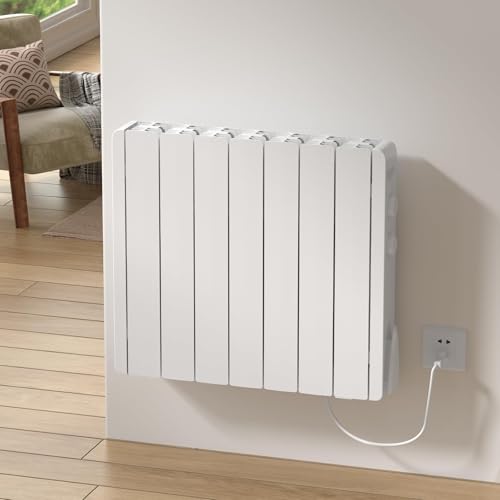
Maintaining a comfortable temperature during winter depends on choosing heating equipment suited to the room and its everyday use. Electric panel heaters provide a convenient way to warm indoor spaces while keeping the surrounding layout largely unchanged. Wall-mounted options can free up floor space for furniture and movement, making them practical for smaller rooms. With simple profiles and different finishes available, these heaters can fit into a variety of interior designs. Their generally quiet operation also makes them suitable for bedrooms, lounges, and other regularly occupied areas. Depending on the unit, thermostat controls and scheduling features can help maintain preferred temperatures in line with household routines.
How Electrical Panel Heaters Deliver Indoor Warmth
Electrical panel heaters use an internal element to convert electricity into heat, which then spreads throughout the surrounding space. Since many models attach directly to a wall, they leave the floor clear for furniture and movement while providing warmth within the room. Thermostatic controls are available on many units, allowing the heater to respond to changes in ambient temperature and reduce unnecessary operation once the selected setting is reached.
Depending on the design, timers and scheduling functions can help align heating periods with household routines. Models with different output ratings are available for a range of room sizes, although the capacity must suit the area being heated. Their compact construction and low operating noise make panel heaters a practical option for homes, workplaces, and other indoor settings where convenient temperature control is required.
Which Electrical Panel Heater Works Best in Different Rooms?
Electrical panel heaters vary in the way they distribute heat, making their operating methods useful to understand before selecting a model. Convection designs warm the air, which then moves around the room, while radiant options use infrared energy to heat people and objects directly within their effective range. Fan-assisted models circulate warm air more quickly, although noise and performance depend on the particular unit.
Compact panels can be appropriate for smaller rooms or spaces where a discreet heating solution is preferred. Some designs incorporate more than one heat-transfer method to suit different needs. The right choice depends on the room’s dimensions, insulation, ceiling height, furniture arrangement, and typical use. Comparing these conditions with the heater’s output and control features helps determine whether a model is suitable for the intended space.
Installation Requirements for Safe Electrical Panel Heater Placement
Wall-mounted panel heaters usually come with installation guidance and mounting components that specify how the unit should be secured. Before fitting a heater, it is important to assess the wall surface, electrical supply, and required clearance around the appliance. Maintaining suitable separation from curtains, furniture, and other obstructions helps prevent hazards and allows heat to circulate as intended.
Electrical installation must follow relevant regulations and the manufacturer’s directions. Fixed wiring and other work requiring electrical expertise should be handled by a licensed electrician. The strength of the mounting and the chosen position can also affect the heater’s performance and distribution of warmth. Following the correct installation process helps limit avoidable risks and contributes to dependable use.
Factors That Influence Electrical Panel Heater Prices
The cost of an electrical panel heater depends on features such as its power rating, physical size, build quality, and control system. Models offering programmable schedules, smart functions, or more precise temperature regulation may carry a higher initial price than simpler units. Installation charges can vary according to the wall structure and whether additional electrical work is necessary. Electricity use and expected product lifespan should also be considered when assessing the total cost.
A suitable purchase involves more than comparing upfront prices. Running expenses, durability, maintenance requirements, and the heater’s compatibility with the room all affect its value over time. Reviewing power ratings and available controls can help estimate operating needs. If a property uses renewable electricity, powering an electric heater from that supply may also contribute to household energy objectives, depending on the overall system.
Safety Features and Responsible Use of Electrical Panel Heaters
Some electrical panel heaters incorporate protective functions to help reduce risks during use. Overheating protection may switch off the appliance if internal temperatures rise beyond a safe level, while certain portable models include tip-over protection. Child-lock functions are also available on selected products to prevent accidental changes to settings. As these safeguards vary, the specifications of each model should be reviewed before a purchase is made.
Safe operation also relies on appropriate installation, correct positioning, and adherence to the supplied instructions. Heaters should remain uncovered and be kept at the clearances specified by the manufacturer, particularly around combustible materials. Regular visual checks can help identify damaged components or signs of malfunction. Although built-in protections are useful, they should always be combined with careful placement and responsible operation.
More Usable Floor Space with Electric Wall Panel Heaters
Electric wall panel heaters provide warmth without occupying the floor area needed by many freestanding appliances. This can be beneficial in bedrooms, home workspaces, lounges, and commercial rooms where clear walkways and flexible furniture arrangements are important. Their typically quiet performance suits areas used for concentration or relaxation, while thermostats can help maintain a comfortable indoor setting.
Available models range from straightforward panels to options with programmable schedules and enhanced temperature controls. Their slim construction can complement a range of interiors, and thoughtful positioning helps deliver warmth where it is most needed. Selecting a heater with suitable output and useful controls allows households and workplaces to balance comfort, room layout, and day-to-day heating requirements.
Better Control over Power Use with Modern Heating Technology
Electrical panel heaters can offer features that help manage electricity use while maintaining a comfortable indoor environment. Thermostats adjust heating operation in response to room temperature, and programmable timers allow users to set specific operating periods. These functions can limit unnecessary heating when a room is empty or when additional warmth is not required.
Selected models include economy modes designed to moderate energy use while maintaining a suitable temperature. Depending on the unit and room conditions, effective heat delivery may also reduce the time needed to reach a preferred setting. Proper insulation and sensible heater positioning can further limit heat loss and improve overall performance. Combined, these measures support comfortable indoor conditions while encouraging more efficient use of electricity.
A Natural Fit for Different Interior Styles
Electrical panel heaters are available in designs that suit a range of home and workplace interiors. Their slim construction and clean outlines help them occupy wall space without the bulk of larger heating appliances. A choice of colours, finishes, and surface designs can make it easier to coordinate the unit with existing furniture and decorative features. Some contemporary models also incorporate distinctive finishes, including mirrored surfaces.
Mounting the heater on a wall keeps the floor clear and can help maintain a tidy room layout. This is especially useful in compact spaces where both visual simplicity and practical use of available space matter. With options ranging from understated panels to more decorative designs, these heaters can provide everyday warmth without clashing with modern or traditional interiors.
Everyday Comfort through Flexible Heater Settings
Modern electrical panel heaters provide several ways to adjust room temperature according to personal preferences. Digital displays can make selected temperatures easier to read, while straightforward controls allow changes to heating levels and operating modes. Some models also support remote adjustments, allowing settings to be changed without reaching the wall-mounted appliance directly.
Scheduling functions can align heating with regular routines and reduce operation during periods when a room is not being used. More advanced units may integrate with compatible smart home technology, providing access through mobile apps or voice control. These features offer greater flexibility over indoor temperature management and make it easier to adapt heating schedules as household routines change.
Keeping Electrical Panel Heaters in Good Working Order
Routine maintenance helps preserve the performance and reliability of electrical panel heaters. Removing dust from accessible surfaces and approved ventilation areas can help maintain unobstructed airflow. Visual checks may also reveal damaged casing, loose mounting hardware, or signs of wear that need professional attention. Keeping the surrounding area clear of furniture and other obstructions supports appropriate heat circulation and helps maintain safe operating conditions.
Maintenance should follow the manufacturer’s guidance, particularly for cleaning, inspection, and servicing requirements. Models with electronic controls, sensors, or programmable functions may need occasional checks to confirm that their features work as intended. Electrical faults or damaged components should be assessed by a qualified professional rather than repaired without suitable expertise. Consistent care can help maintain dependable operation and support the heater’s expected service life.
Bringing Panel Heaters into Smart Home Environments
Electrical panel heaters can form part of a modern home heating arrangement when compatible with programmable thermostats or smart home controls. These technologies may allow users to adjust temperature settings, establish schedules, and manage heating remotely. Automated operation can also help reduce heating during periods when a room is empty, depending on the system’s configuration and how its controls are used.
In homes with an existing heating system, panel heaters may provide additional warmth in selected rooms that require more direct temperature control. Their suitability for integration depends on the heater’s specifications and compatibility with other equipment. When configured appropriately, connected controls can make everyday operation more convenient and help households coordinate indoor heating with their routines and comfort preferences.
Conclusion
Electric panel heaters provide a convenient way to maintain indoor comfort during Australia’s colder months. Their compact construction makes them suitable for rooms with restricted space, and temperature controls allow occupants to adjust heating levels as needed. Features such as scheduling functions, protective mechanisms, and wall-mounted designs may simplify everyday use. Appropriate product selection and installation also contribute to dependable performance. Choosing a model with sufficient output for the room can help maintain comfortable temperatures while keeping operation manageable.
FAQs
How do electric panel heaters warm a room?
Electric panel heaters use electricity to generate heat that transfers into the surrounding space. Depending on the model, this occurs through convection, radiant energy, or a combination of both. Temperature sensors can regulate the heating cycle according to the selected setting, helping maintain room comfort without continuing to heat unnecessarily.
What determines the running costs of electrical wall panel heaters?
The operating expenses of electrical wall panel heaters are affected by their power rating, daily usage, local electricity tariffs, room size, insulation, and temperature settings. Rooms that retain heat effectively may require less frequent heating, while timers can limit operation to necessary periods. Heating occupied areas individually may also reduce overall electricity use.
Which protective features are commonly included in electrical panel heaters?
Depending on the model, electrical panel heaters may include thermal cut-outs, overheating protection, child locks, and appropriately designed outer casings. Some units also carry ratings for use in moisture-prone locations. Checking product instructions and confirming that its safety features match the installation environment can support reliable and appropriate use.
Does installing an electric panel heater require a licensed electrician?
Installation requirements vary according to the heater design and how it connects to the electrical supply. Plug-in models may only require suitable positioning and installation of any supplied brackets, while permanently wired units generally need a licensed electrician. Professional installation helps ensure that mounting, wiring, and circuit requirements meet applicable Australian safety regulations.
How should the heating capacity of a panel heater be determined?
Heater sizing should account for floor area, ceiling height, insulation, window size, building materials, and local climatic conditions. A spacious or poorly insulated room may require greater heating output than a smaller space with effective insulation. Assessing the actual heat demand helps identify a suitable capacity rather than choosing a unit based solely on wattage estimates.
| Related Business Listings |
| Contact Directory |
| Local Business Profiles |