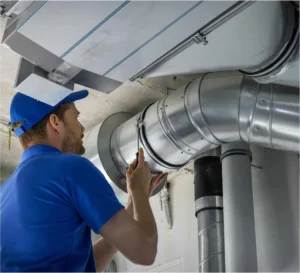
Your heating and cooling system may be working perfectly, but what happens when the ductwork carrying conditioned air throughout your property is damaged? Even a well-maintained air conditioner or heating system can struggle to deliver consistent comfort when air escapes through disconnected joints, deteriorated insulation, or damaged ducts. This is where professional duct repairs become essential.
Air ducts are responsible for distributing heated or cooled air to different rooms in homes, offices, and commercial buildings. When ductwork develops leaks, blockages, loose connections, or structural damage, the system may lose efficiency and struggle to maintain comfortable indoor temperatures.
You might notice one room feels warmer than another, energy bills increase unexpectedly, or unusual noises come from the ceiling whenever the system operates. These symptoms do not always indicate damaged ducts, but they are worth investigating.
Professional duct repairs focus on identifying damaged sections, restoring secure connections, sealing air leaks, and ensuring that the ductwork can distribute air effectively.
However, not every duct problem requires complete replacement. Many issues can be resolved through targeted repairs, appropriate sealing, insulation improvements, or replacement of individual sections.
This comprehensive guide explains the importance of ductwork maintenance, common signs of damage, professional repair methods, cost considerations, and practical steps for protecting your heating and cooling system.
What Are Duct Repairs?
Duct repairs involve inspecting, restoring, sealing, or replacing damaged sections of ductwork used in heating, ventilation, and air conditioning systems.
Ductwork acts as the distribution network for conditioned air. It connects the heating or cooling equipment to supply outlets throughout a building and, in many systems, returns indoor air to the equipment.
When ducts become damaged, air may escape into ceiling cavities, roof spaces, wall cavities, or other unconditioned areas.
This can reduce the amount of heated or cooled air reaching occupied rooms.
Professional ductwork repair may include:
- Sealing leaking duct joints
- Reconnecting separated duct sections
- Repairing damaged flexible ducts
- Replacing crushed or deteriorated ductwork
- Restoring damaged insulation
- Correcting poorly supported duct sections
- Addressing airflow restrictions
- Repairing damaged duct fittings and connections
The appropriate solution depends on the duct material, accessibility, system design, and severity of the damage.
Why Are Duct Repairs Important?
Damaged ductwork can affect comfort, system performance, and operating costs.
Addressing problems early may help prevent more extensive deterioration.
Improved Heating and Cooling Efficiency
When conditioned air escapes through duct leaks, less air reaches the intended rooms.
The heating or cooling system may need to operate longer to achieve the desired temperature.
Properly sealed ductwork can help reduce these losses.
More Consistent Indoor Temperatures
Uneven temperatures can occur when particular ducts are leaking, disconnected, or restricted.
Repairing the affected sections may improve airflow distribution.
Reduced Energy Waste
Duct leaks can waste energy, particularly when ductwork runs through unconditioned roof spaces or other areas outside the occupied building envelope.
Sealing leaks may reduce unnecessary heating and cooling demand.
Better Indoor Comfort
Adequate airflow helps maintain comfortable temperatures throughout a property.
Duct repairs can address problems caused by damaged or disconnected duct sections.
Protection Against Further Damage
Loose connections, unsupported ducts, and damaged insulation may deteriorate over time.
Timely repairs can help prevent avoidable complications.
Common Signs You Need Duct Repairs
Ductwork is often concealed in ceilings, roof spaces, walls, or underfloor areas.
As a result, damage may remain unnoticed until system performance changes.
1. Uneven Room Temperatures
Does one bedroom remain hot while the living room feels comfortable?
Uneven temperatures may indicate leaking, disconnected, or restricted ductwork.
However, poor insulation, incorrect system sizing, and airflow balancing issues can produce similar symptoms.
2. Weak Airflow From Vents
Reduced airflow at one or more outlets may indicate damaged ducts, restrictions, or loose connections.
A professional inspection can help determine the cause.
3. Unexpected Energy Bill Increases
Higher heating or cooling costs may result from duct leakage.
However, weather changes, energy tariffs, equipment faults, and usage patterns should also be considered.
4. Unusual Noises
Whistling, rattling, or excessive airflow noise may indicate leaking joints, loose fittings, or duct restrictions.
Not every noise is caused by duct damage, so proper diagnosis is important.
5. Visible Duct Damage
Crushed flexible ducts, disconnected sections, torn insulation, or damaged fittings are clear reasons to arrange an inspection.
6. Excessive Dust Around Vents
Dust accumulation can have several causes.
Leaking return ducts may draw air and particles from dusty cavities, although visible dust alone does not confirm duct leakage.
7. Heating or Cooling Performance Problems
If your system struggles to maintain the desired temperature, damaged ductwork may be contributing to the problem.
A technician should assess the complete system rather than assuming the ducts are responsible.
What Causes Air Duct Damage?
Understanding why ductwork deteriorates can help prevent repeated problems.
Ageing Materials
Duct materials, seals, insulation, and fittings may deteriorate over time.
Their service life depends on installation quality, environmental exposure, and maintenance.
Poor Installation
Incorrectly supported ducts, loose joints, sharp bends, and unsuitable fittings can contribute to airflow restrictions and premature damage.
Pest Activity
Rodents and other pests may damage flexible duct materials or insulation.
Any suspected infestation should be addressed before repairs are completed.
Accidental Damage
Ducts located in roof spaces or underfloor areas can be damaged during maintenance, renovations, or other building work.
Moisture Problems
Condensation, water leaks, and persistent dampness may affect insulation and certain duct materials.
Moisture problems should be investigated rather than simply covering the damage.
Inadequate Support
Flexible ducts that sag excessively or become compressed may restrict airflow.
Correct support is important for maintaining their intended shape.
Different Types of Ductwork and Their Repair Requirements
Not all air ducts are constructed from the same materials.
The repair approach depends on the type of ductwork installed.
Flexible Duct Repairs
Flexible ducts are commonly used in residential ducted heating and cooling systems.
They consist of a flexible inner air passage surrounded by insulation and an outer protective jacket.
Common problems include tears, crushing, excessive sagging, and disconnected fittings.
Small defects may be repairable using appropriate materials, while severely damaged sections often require replacement.
Sheet Metal Duct Repairs
Sheet metal ducts are used in many residential and commercial HVAC systems.
Common issues include leaking joints, loose fittings, corrosion, and physical damage.
Repairs may involve suitable sealing compounds, mechanical fastening, or replacement of damaged sections.
Fibreglass Duct Repairs
Some systems use fibreglass ductboard or internally insulated ductwork.
Damage may involve deteriorated surfaces, moisture exposure, or compromised joints.
Repair methods must be compatible with the material and its intended use.
Insulated Duct Repairs
Insulation helps reduce unwanted heat transfer and condensation risks.
If insulation is torn, compressed, wet, or missing, it may need to be repaired or replaced.
The underlying cause should also be addressed.
Professional Duct Repairs: Step-by-Step Process
A professional duct repair service generally follows a systematic process.
Step 1: Initial System Assessment
The technician discusses symptoms such as weak airflow, uneven temperatures, or unusual noises.
They may also review the system’s condition and maintenance history.
Step 2: Ductwork Inspection
Accessible duct sections are examined for disconnected joints, damage, inadequate support, and insulation problems.
The technician may also assess supply and return air pathways.
Step 3: Air Leakage Testing
Where appropriate, specialised testing equipment can help identify or measure duct leakage.
Testing methods depend on the system and the scope of work.
Step 4: Repair Recommendations
The technician identifies which sections can be repaired and which may require replacement.
The proposed work should consider airflow performance, material compatibility, and access.
Step 5: Repair and Sealing
Suitable materials and techniques are used to reconnect, seal, support, or replace damaged ductwork.
Step 6: Performance Verification
After repairs, the technician may check airflow, connections, and system operation.
Additional balancing or system adjustments may be recommended where necessary.
Duct Sealing vs Duct Repairs: What Is the Difference?
Duct sealing and duct repair are related, but they are not identical.
Duct Sealing
Duct sealing focuses on reducing unwanted air leakage through joints, seams, and small openings.
Appropriate duct mastic, approved sealing tapes, or other compatible products may be used.
Ordinary cloth-backed household duct tape is generally unsuitable as a durable solution for HVAC duct sealing.
Duct Repair
Duct repair addresses broader physical problems.
These may include crushed ducts, disconnected sections, damaged fittings, and deteriorated materials.
When Is Each Service Needed?
A duct with a sound structure but leaking joints may primarily require sealing.
A crushed or severely torn duct may require replacement.
Some systems need both services to restore proper operation.
How Much Do Duct Repairs Cost?
The cost of repairing ductwork varies according to the type of damage, system layout, accessibility, and required materials.
Extent of Damage
A small leaking connection may require less work than several damaged duct sections.
Duct Material
Flexible ductwork, sheet metal, and specialised duct materials require different repair techniques.
Accessibility
Ducts in difficult-to-access roof spaces, wall cavities, or underfloor areas may require additional labour.
Replacement Requirements
Severely damaged ducts may need partial replacement rather than simple sealing.
Insulation Work
Repairing or replacing damaged insulation can increase the scope of work.
Testing and Balancing
Some projects require airflow testing, leakage assessment, or system balancing.
For accurate pricing, request a written quotation after a professional inspection.
A useful quote should explain the identified problems, proposed repairs, materials, and any exclusions.
Should You Repair or Replace Damaged Ductwork?
Not every duct problem requires complete replacement.
The best option depends on the condition of the system.
When Repairs May Be Suitable
Repairs may be appropriate when:
- Damage is limited to a few accessible areas
- Duct materials remain structurally sound
- Connections can be securely restored
- Leakage can be sealed effectively
- Existing duct sizing and layout are suitable
When Replacement May Be Better
Replacement may be necessary when:
- Flexible ducts are extensively crushed or torn
- Materials have deteriorated significantly
- Moisture damage is widespread
- Ductwork is incorrectly sized or poorly designed
- Repeated repairs are unlikely to provide a durable solution
A qualified HVAC technician can assess whether targeted repairs or replacement offers better long-term value.
Residential Duct Repairs for Homes
Residential ducted systems are commonly installed in roof spaces, ceiling cavities, and underfloor areas.
Damage in these locations may affect airflow to individual rooms or entire sections of a home.
Ducted Air Conditioning Repairs
Leaking or disconnected ducts can reduce cooling performance.
Repairing affected sections may improve conditioned air delivery.
Ducted Heating Repairs
Damaged heating ducts can allow warm air to escape before reaching occupied rooms.
Proper repairs may improve comfort and reduce unnecessary energy losses.
Return Air Duct Repairs
Return air pathways are important for system operation.
Leaks or restrictions may affect airflow and system performance.
Insulation Repairs
Damaged duct insulation can increase heat transfer and contribute to condensation problems.
Appropriate restoration helps maintain intended performance.
Commercial Duct Repairs for Businesses
Commercial buildings often have larger and more complex ductwork systems.
These systems may serve offices, retail premises, warehouses, hospitality venues, and other facilities.
Office Buildings
Damaged ductwork can contribute to uneven temperatures and occupant discomfort.
Retail Spaces
Consistent airflow is important for maintaining comfortable shopping environments.
Restaurants and Hospitality
Heating, cooling, and ventilation systems must be maintained according to their specific design and operational requirements.
Kitchen exhaust ductwork has different cleaning, fire safety, and maintenance considerations from ordinary air-conditioning ducts.
Warehouses and Industrial Facilities
Large duct networks may require specialised access equipment, inspection procedures, and repair techniques.
Commercial repairs should be planned to minimise disruption while maintaining appropriate safety standards.
Can You Perform Duct Repairs Yourself?
Some basic maintenance tasks can be completed by property owners.
For example, you can check accessible vents for obstructions, replace filters according to manufacturer instructions, and look for visible signs of damage.
However, repairs inside ceiling cavities, roof spaces, and other concealed locations may involve safety risks.
Electrical wiring, fragile ceiling materials, heat exposure, confined spaces, and potentially hazardous building materials can make access dangerous.
Incorrect duct sealing or repairs can also restrict airflow or create additional system problems.
For damaged ductwork, professional assessment is generally the safer and more reliable option.
How to Prevent Future Ductwork Problems
Preventative maintenance can help reduce avoidable duct damage.
Schedule HVAC Inspections
Periodic system inspections can identify visible duct damage and performance concerns.
Protect Ductwork During Renovations
Inform contractors about duct locations before undertaking roof-space or ceiling work.
Address Pest Problems
Rodent activity can damage flexible ducts and insulation.
Pest management may help prevent repeated damage.
Manage Moisture
Investigate roof leaks, condensation, and other moisture problems promptly.
Maintain Air Filters
Dirty filters can restrict airflow and affect system performance.
Replace or clean filters according to manufacturer recommendations.
Avoid Compressing Flexible Ducts
Flexible ductwork should be supported and routed appropriately.
Avoid placing stored items on exposed ducts.
How to Choose a Professional Duct Repair Service
Selecting a qualified service provider helps ensure repairs are suitable for your system.
Look for Relevant HVAC Experience
Choose technicians experienced with ducted heating and cooling systems.
Confirm Appropriate Licensing
Licensing requirements vary by location and the type of work involved.
In Australia, certain air-conditioning and refrigeration activities may require specific trade licences or authorisations.
Ask About Inspection Methods
A reputable provider should explain how the problem will be identified.
Request a Detailed Quote
The quotation should outline the repair scope, materials, labour, and any replacement requirements.
Discuss Performance Testing
Ask whether airflow or leakage checks are appropriate after the repairs.
Understand Warranty Conditions
Review any workmanship or material warranties before approving the work.
Frequently Asked Questions About Duct Repairs
1. What are duct repairs?
Duct repairs involve fixing damaged, leaking, disconnected, or deteriorated ductwork in heating, ventilation, and air conditioning systems. Repairs may include sealing joints, reconnecting ducts, replacing damaged sections, and restoring insulation.
2. How do I know if my air ducts need repairing?
Common warning signs include uneven room temperatures, weak airflow, unusual noises, visible duct damage, and unexplained changes in heating or cooling performance. A professional inspection can determine whether ductwork is responsible.
3. Can leaking ducts increase energy bills?
Yes. Air escaping through duct leaks can reduce heating and cooling efficiency, particularly when ducts pass through unconditioned spaces. However, energy costs can also rise for other reasons.
4. How much do duct repairs cost?
Costs depend on the extent of damage, duct material, accessibility, repair method, and whether replacement sections are required. A professional inspection is the best way to obtain an accurate quotation.
5. Can flexible air ducts be repaired?
Some minor flexible duct defects can be repaired using suitable materials and methods. Severely crushed, torn, or deteriorated sections may need replacement.
6. Is duct sealing the same as duct repair?
No. Duct sealing focuses on preventing air leakage, while duct repair can involve restoring damaged sections, reconnecting ducts, correcting support problems, and replacing unsuitable materials.
7. How long do duct repairs take?
The timeframe depends on the number of affected sections, accessibility, and repair complexity. Small repairs may be completed relatively quickly, while extensive work can require more time.
8. Should I replace all my ductwork if one section is damaged?
Not necessarily. If the remaining ductwork is in good condition and properly designed, targeted replacement may be sufficient. A technician can assess the complete system.
9. Can damaged ducts affect indoor air quality?
Yes, under certain conditions. Leaking return ducts may draw dust or contaminants from surrounding cavities into the airflow. However, indoor air quality depends on multiple factors, and duct damage is not always the cause.
10. How often should ductwork be inspected?
Inspection frequency depends on system age, condition, accessibility, and operating environment. Ductwork should also be assessed when performance problems or visible damage occur.
Conclusion: Restore Comfort and Efficiency With Professional Duct Repairs
Damaged ductwork can affect heating and cooling performance, indoor comfort, and energy consumption.
Whether the problem involves leaking connections, crushed flexible ducts, damaged insulation, or disconnected sections, timely duct repairs can help restore effective airflow and reduce unnecessary energy losses.
The most suitable repair approach depends on the type of ductwork, severity of damage, system design, and accessibility.
Some problems can be resolved through targeted sealing and reconnection, while others require replacement of individual duct sections.
Professional inspection is important because symptoms such as weak airflow and uneven temperatures can also result from equipment faults, poor system balancing, or building insulation problems.
By combining appropriate repairs with regular HVAC maintenance, filter care, moisture management, and protection against physical damage, property owners can help maintain reliable ducted heating and cooling performance.
Need professional duct repairs? Arrange an inspection with a qualified HVAC technician to identify damaged ductwork, discuss suitable repair options, and obtain a clear quotation for restoring your heating and cooling system.