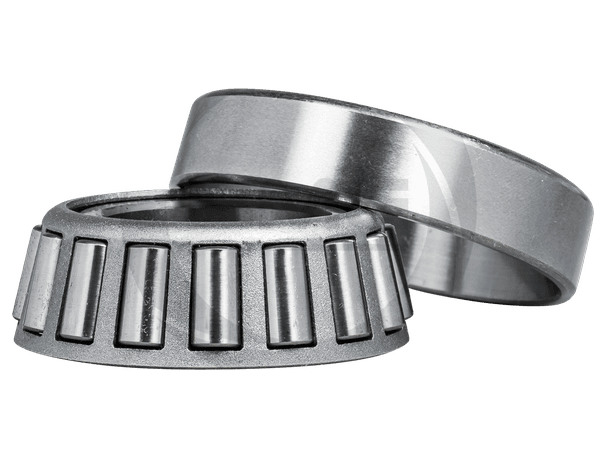
tapered roller bearings
Manufacturers always want to reduce downtime, defects, and running costs. Electronic motion controllers help them to achieve this goal. They combine controllers, sensors, drives, and motors to govern how machines and automated equipment move. The accuracy comes from the controller rather than mechanical linkages.
Impeccable precision
A small machine movement error in automotive, packaging, electronics, and pharmaceutical work leaves you with a defective product, wasted material, or a stalled line. An electronic motion controller holds speed, position, torque, and acceleration within tight limits. So a robot arm, a conveyor, or a CNC machine repeats a task the same way on every cycle. Quality stays steady, and the error rate falls to maximise precision.
Production speed
Mechanical systems limit how far and how quickly the speed and sequence can change. Programmable controllers and servo drives turn speed into a setting. Movements become smoother to avoid interruptions. When the overall functionality improves, you can expect better productivity. Source the most efficient electronic motion controllers to achieve excellent production speed. Reliable suppliers also offer advanced tapered roller bearings and PPE equipment.
Energy consumption
Energy takes a large share of operating costs. A motor held at a fixed speed draws the same power whether the process needs the output or not. Variable frequency drives and intelligent motor controls match speed to the application requirements. In pumping and ventilation, the motor slows down when full capacity is not needed. So, an electronic motion control system uses optimal power to reduce energy consumption.
Equipment downtime
A failed drive or motor stops a line. The cost of that stoppage is rarely small. Sensors report temperature, speed, load, and vibration while the machine runs. So an unusual reading shows up before it becomes a breakdown. Maintenance engineers can then schedule the work around production instead of cutting into it. The equipment offers superior longevity.
Automation and flexibility
An automated line only pays off when the machines move in the same place. Electronic motion control coordinates movements across several machines and mechanisms. The sequence relies on the controller program rather than the mechanics. Retooling for a new product design or a changed production requirement becomes a program edit, with little manual work on the floor.
Lowered maintenance and operational cost
Abrupt starts and stops load up motors, gears, and bearings. That load turns into wear. Smoother acceleration takes the strain off those parts. They last longer, and maintenance requirements come down. Spare parts and labour drop considerably. These aspects help you save money in the long run.
Conclusion
The cost affects the machine’s precision and cycle speeds. Power and how often it stops also impact overall expenses. Motion control systems check these aspects using software. Better accuracy, speed, and flexibility make them a reliable option.