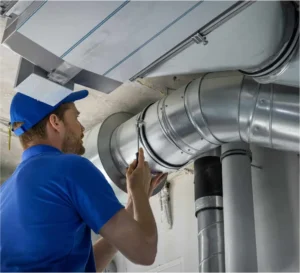
A well-functioning duct system plays an important role in maintaining comfortable indoor temperatures and efficient airflow throughout a property. Whether it is a residential home, office, or commercial building, air ducts are responsible for distributing heated or cooled air from the HVAC system to different rooms.
Over time, ducts can develop problems due to age, poor installation, physical damage, insulation issues, or general wear and tear. Damaged ductwork can reduce airflow, increase energy costs, create uneven temperatures, and affect indoor comfort.
Professional duct repairs help restore the performance of an air distribution system by identifying damaged areas, sealing leaks, repairing connections, and improving overall efficiency.
This guide explains what duct repairs are, common signs of duct damage, causes of duct problems, repair methods, benefits of professional repairs, maintenance tips, and frequently asked questions about ductwork solutions.
What Are Duct Repairs?
Duct repairs involve identifying and fixing problems within an air duct system to restore proper airflow and improve HVAC performance.
Air ducts are typically installed throughout walls, ceilings, floors, or roof spaces. They transport conditioned air from heating and cooling equipment to different areas of a building.
Duct repair services may include:
- Sealing air leaks
- Repairing damaged sections
- Fixing disconnected ducts
- Replacing damaged insulation
- Repairing duct joints
- Improving airflow issues
The goal of duct repairs is to ensure air moves efficiently through the system without unnecessary energy loss.
Why Are Duct Repairs Important?
Damaged ductwork can affect more than just airflow. Problems within the duct system can influence energy efficiency, comfort, and indoor air quality.
Improves Energy Efficiency
Leaking or damaged ducts allow conditioned air to escape before reaching living spaces.
This forces HVAC systems to work harder, which may increase energy consumption.
Proper duct repairs help:
- Reduce air loss
- Improve system performance
- Support more efficient heating and cooling
Maintains Consistent Indoor Temperatures
Damaged ducts can cause some rooms to receive less airflow than others.
Common problems include:
- Hot or cold spots
- Weak airflow
- Uneven room temperatures
Repairing duct issues helps distribute air more evenly.
Reduces HVAC System Stress
When ducts are damaged, heating and cooling systems often operate for longer periods to maintain desired temperatures.
This additional workload may contribute to:
- Increased wear
- Higher maintenance needs
- Reduced equipment lifespan
Improves Indoor Comfort
A properly functioning duct system helps maintain a comfortable environment throughout the property.
Signs You May Need Duct Repairs
Identifying duct problems early can help prevent larger issues.
Uneven Heating or Cooling
If some rooms feel warmer or cooler than others, damaged ductwork may be affecting airflow distribution.
Possible causes include:
- Leaking ducts
- Blockages
- Poor connections
- Insulation problems
Weak Airflow From Vents
Reduced airflow from supply vents may indicate issues within the duct system.
Possible causes include:
- Leaks
- Disconnected sections
- Damaged ductwork
- Air restrictions
Higher Energy Bills
A sudden increase in heating or cooling costs may indicate that your HVAC system is losing efficiency.
Damaged ducts can cause conditioned air to escape, increasing system workload.
Excessive Dust Around Your Home
Leaking or damaged ducts may allow dust and particles to enter the air distribution system.
Signs may include:
- Increased dust buildup
- Dirty vents
- Poor indoor air quality
Strange Noises From Ductwork
Unusual sounds may indicate duct problems.
Common noises include:
- Rattling
- Whistling
- Banging
- Air movement sounds
Visible Damage
In accessible areas, you may notice:
- Cracks
- Loose connections
- Torn insulation
- Damaged duct sections
Poor Indoor Air Quality
Damaged ducts can affect the cleanliness of air circulating through a property.
Potential issues include:
- Dust movement
- Contaminant entry
- Moisture problems
Common Causes of Duct Damage
Several factors can contribute to duct problems.
Age and Wear
Over time, duct materials may deteriorate due to continuous airflow, temperature changes, and general use.
Older duct systems may develop:
- Leaks
- Weak connections
- Damaged insulation
Poor Installation
Incorrectly installed ductwork can create long-term performance issues.
Common installation problems include:
- Loose connections
- Poor sealing
- Incorrect sizing
- Restricted airflow
Physical Damage
Ducts can be damaged during:
- Renovations
- Building work
- Maintenance activities
Accidental impacts may create holes or disconnected sections.
Moisture Problems
Moisture exposure can damage duct insulation and create conditions that affect system performance.
Sources may include:
- Condensation
- Roof leaks
- Poor ventilation
Temperature Changes
Repeated heating and cooling cycles can cause materials to expand and contract, affecting duct connections over time.
Types of Duct Repairs
Different duct problems require different repair approaches.
Duct Leak Repairs
Air leaks are among the most common duct issues.
Repairs may involve:
- Sealing gaps
- Repairing cracks
- Reinforcing connections
Proper sealing helps prevent conditioned air loss.
Duct Joint Repairs
Duct sections are connected through joints that can loosen over time.
Repair involves:
- Securing connections
- Applying suitable sealing materials
- Checking airflow performance
Duct Insulation Repairs
Damaged insulation can reduce system efficiency.
Repair methods may include:
- Replacing damaged insulation
- Adding insulation layers
- Protecting duct surfaces
Duct Replacement Sections
In some cases, damaged duct sections may require partial replacement rather than repair.
This may be necessary when:
- Damage is extensive
- Materials have deteriorated
- Repairs are no longer practical
Flexible Duct Repairs
Flexible ducts can develop:
- Tears
- Compression problems
- Connection failures
Repairs may involve restoring shape, sealing damage, or replacing sections.
How Professional Duct Repairs Work
A professional duct repair process usually involves several steps.
Inspection and Assessment
The first step is identifying the source of the problem.
Technicians inspect:
- Visible duct sections
- Airflow performance
- Connections
- Insulation condition
- Accessible areas
The inspection helps determine the appropriate repair solution.
Identifying Air Leaks
Professionals check for areas where air may escape.
Common leak locations include:
- Joints
- Seams
- Connections
- Damaged sections
Repair and Sealing
Once problems are identified, technicians repair damaged areas using suitable methods.
This may include:
- Sealing leaks
- Reconnecting ducts
- Repairing insulation
- Replacing damaged sections
Testing System Performance
After repairs, the system may be checked to ensure:
- Improved airflow
- Proper connections
- Better efficiency
Benefits of Professional Duct Repairs
Professional duct repairs provide several advantages.
Improved HVAC Efficiency
Repairing damaged ducts helps heating and cooling systems operate more effectively.
Lower Energy Waste
Sealing leaks reduces the amount of conditioned air lost through damaged ductwork.
Better Air Distribution
Proper repairs help improve airflow throughout the property.
Increased Comfort
Balanced airflow creates a more consistent indoor environment.
Extended HVAC System Life
Reducing unnecessary system strain may help improve equipment longevity.
Better Indoor Air Quality
Properly maintained ducts help reduce the movement of dust and unwanted particles.
Duct Repairs vs Duct Replacement
Not every duct problem requires complete replacement.
The right solution depends on the condition of the system.
When Duct Repairs Are Suitable
Repairs may be appropriate when:
- Damage is limited
- Leaks are small
- Connections need adjustment
- Insulation requires fixing
When Replacement May Be Needed
Replacement may be considered when:
- Ducts are severely damaged
- Materials have deteriorated significantly
- The system design causes ongoing problems
A professional inspection can help determine the best option.
How Much Do Duct Repairs Cost?
The cost of duct repairs depends on several factors.
Type of Damage
Small leaks may require less work than major structural repairs.
Location of the Damage
Accessible ductwork is generally easier to repair than ducts located in difficult areas.
Size of the System
Larger properties may require more time and materials.
Repair Method
Costs vary depending on whether the repair involves:
- Sealing
- Insulation replacement
- Connection repairs
- Section replacement
A professional assessment provides a clearer understanding of repair requirements.
How to Maintain Your Duct System
Regular maintenance can help reduce the need for major repairs.
Schedule Regular Inspections
Routine inspections help identify problems before they become serious.
Replace Air Filters
Dirty filters can restrict airflow and place additional pressure on HVAC systems.
Keep Vents Clear
Avoid blocking vents with:
- Furniture
- Curtains
- Storage items
Monitor Airflow Changes
Pay attention to:
- Reduced airflow
- New noises
- Temperature changes
Keep Accessible Duct Areas Clean
Dust and debris around accessible duct sections should be removed regularly.
Frequently Asked Questions About Duct Repairs
What are common signs that ducts need repairs?
Common signs include uneven temperatures, weak airflow, higher energy bills, unusual noises, visible damage, and increased dust.
How long do duct repairs take?
Repair time depends on the type and location of the damage. Minor repairs may be completed quickly, while larger repairs may require more time.
Can leaking ducts increase energy bills?
Yes. Leaking ducts allow conditioned air to escape, causing HVAC systems to work harder and potentially increasing energy use.
Are duct repairs better than replacement?
It depends on the condition of the duct system. Minor damage can often be repaired, while severely damaged ducts may require replacement.
How often should ducts be inspected?
Duct inspections depend on the age and condition of the system, but regular checks can help identify issues early.
Can damaged ducts affect indoor air quality?
Yes. Damaged ductwork can allow dust and contaminants to enter the airflow system.
What causes duct leaks?
Common causes include ageing materials, poor installation, physical damage, loose connections, and insulation problems.
Can I repair ducts myself?
Small accessible issues may seem simple, but professional repairs are recommended for accurate diagnosis and long-term results.
Conclusion
Properly functioning ductwork is essential for maintaining comfortable temperatures, efficient HVAC performance, and good indoor air quality. Over time, ducts can develop leaks, damage, and connection problems that reduce system effectiveness.
Professional duct repairs help restore airflow, improve energy efficiency, and prevent ongoing HVAC issues. By identifying problems early, repairing damaged sections, and maintaining the system regularly, property owners can improve comfort and protect their heating and cooling investment.
Whether you are experiencing weak airflow, rising energy costs, or uneven temperatures, a professional duct inspection can help identify the cause and provide the right repair solution.