Packaging plays an important role in the bakery industry. Customers notice how bread, pastries, cookies, croissants, donuts, and other baked products are presented before they even taste them. Attractive and practical packaging can make products look more appealing while helping businesses create a recognizable brand.
For bakeries and food businesses, packaging also needs to perform well during handling, transportation, and takeaway service. The right paper material can help protect products from grease and moisture while providing a clean surface for branding.
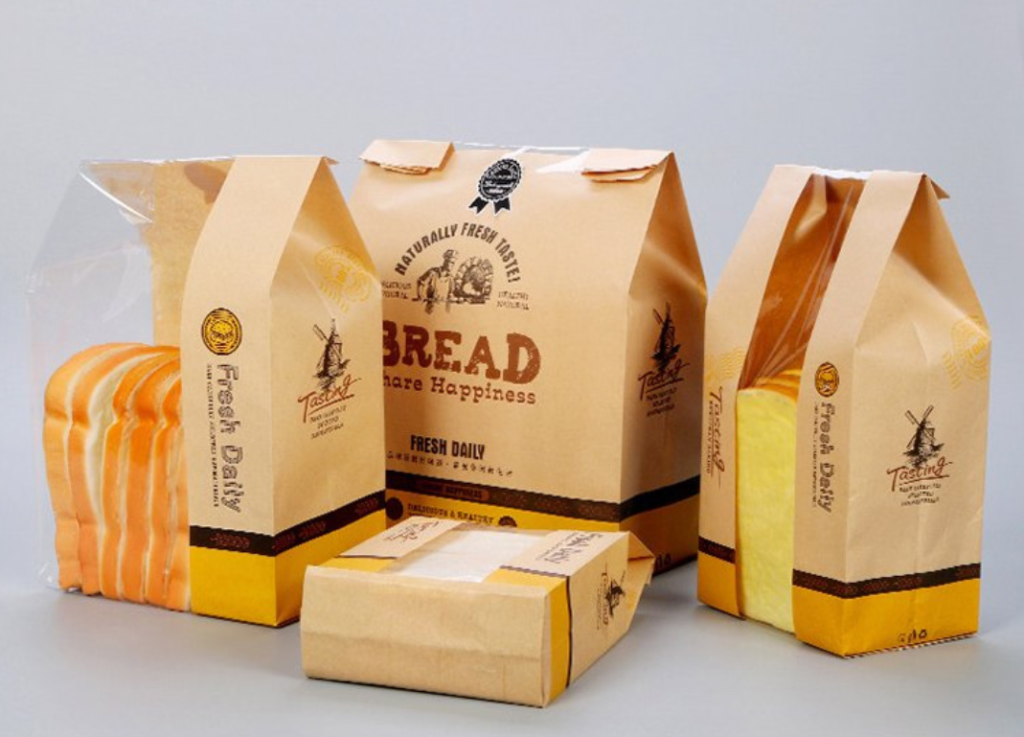
Choosing custom bakery paper bags gives businesses an opportunity to combine everyday functionality with professional presentation. Bags can be designed around different bakery products, order sizes, and branding requirements. Custom printed options can also help create a consistent appearance across a bakery’s packaging range.
Grease-resistant bakery bags are commonly used for products such as croissants, pastries, cookies, donuts, and other baked goods that may contain butter or oils. Manufacturers can offer customized sizes, printing, paper weights, and bag constructions depending on the application.
At the same time, bakeries often need additional packaging materials for lining boxes, wrapping products, covering trays, or separating individual items. Greaseproof paper can serve these purposes while providing another surface for brand communication.
Why Bakery Packaging Matters
Good bakery packaging protects products while making them easier to handle. A properly designed bag can reduce mess, simplify takeaway service, and give customers a more convenient way to carry their purchases.
Presentation is equally important. A plain package may perform its basic function, but branded packaging can make a bakery feel more established and memorable. A logo, brand color, slogan, or distinctive pattern can turn an ordinary bag into part of the customer experience.
Packaging also becomes visible after the customer leaves the store. When customers carry branded bakery bags through public spaces or share photographs of their purchases online, the packaging can provide additional exposure for the business.
Choosing the Right Paper Bag Design
Bakery products come in many shapes and sizes, so one bag design does not necessarily suit every product. Small bags can be appropriate for cookies, individual pastries, and donuts, while larger formats may be needed for bread, baguettes, or multiple-item orders.
Businesses should consider the width, height, depth, paper weight, opening style, and overall structure of each bag. A properly sized package can reduce unnecessary material usage while helping products stay secure during transportation.
Grease-resistant materials can be especially useful for buttery or oily products. Some custom bakery bags are manufactured with greaseproof paper and can be supplied in different constructions according to product requirements.
Custom Printing for Stronger Branding
Custom printing allows bakeries to maintain a consistent visual identity across their packaging. A simple logo can provide a clean and professional appearance, while more detailed artwork can create a distinctive brand experience.
Businesses can use their established colors, typography, illustrations, or promotional messages. Printing can also be adapted for seasonal products or special campaigns without changing the overall packaging strategy.
For bakeries that sell premium products, attractive packaging can reinforce the perceived value of the product. Even a simple kraft bag can look sophisticated when combined with thoughtful typography and well-positioned branding.
Packaging for Different Bakery Products
Every bakery product has different packaging requirements. Bread needs enough space to avoid crushing, while delicate pastries may require packaging that limits contact and protects their appearance.
Cookies, brownies, donuts, croissants, sandwiches, and other takeaway items can benefit from grease-resistant bags or liners. Depending on the product, businesses may choose flat bags, gusseted bags, or other structures that provide the required capacity.
Bakeries can also combine bags with printed sheets, box liners, labels, stickers, and tissue materials. Coordinating these elements can create a more consistent presentation from the bakery counter to the customer’s home.
Benefits of Buying Packaging in Bulk
Wholesale purchasing can be useful for bakeries that use packaging every day. Ordering larger quantities can help businesses maintain a reliable supply and potentially reduce the average packaging cost.
Before placing a large order, businesses should estimate their average weekly or monthly usage. It is also important to consider storage capacity and whether the same packaging design will remain suitable as the business grows.
Bulk purchasing can be particularly valuable for established bakeries, bakery chains, cafés, catering businesses, and food distributors. Suppliers may offer customized quantities, sizes, printing options, and materials according to the project’s requirements.
Combining Bags With Greaseproof Packaging
Bakery bags are only one part of a complete packaging system. Greaseproof sheets and other paper formats can be used to wrap products individually, line boxes, cover serving trays, or separate items inside larger packages.
Using complementary packaging can also strengthen branding. For example, a bakery might use the same logo and colors on its bags, wrapping paper, box liners, and labels. This creates a unified appearance and makes the brand easier for customers to recognize.
The right combination depends on the products being sold. A bakery specializing in pastries may require more grease-resistant materials, while a bread-focused business may prioritize larger bags with appropriate ventilation and capacity.
Choosing Custom Greaseproof Paper Wholesale for Bakery Needs
For businesses with high packaging consumption, custom greaseproof paper wholesale can provide a practical way to purchase branded paper in larger quantities. Wholesale greaseproof paper can be produced for uses such as food wrapping, tray lining, box lining, and bakery presentation.
Businesses can compare paper weight, sheet dimensions, roll formats, printing requirements, minimum order quantities, and material specifications before choosing a supplier. Some manufacturers offer custom sizes and printing, while others provide standard formats for faster ordering.
The paper should also be selected according to the food application. Products containing butter, oil, sauces, or moisture may require stronger grease-resistant properties than dry bakery items. Confirming the material’s suitability for its intended food-contact application is an important step before ordering in bulk.
Wholesale packaging works best when businesses plan ahead. Establishing regular order quantities and consistent specifications can simplify purchasing while ensuring that bags and paper remain available during busy seasons.
Creating a Professional Bakery Packaging Experience
Successful bakery packaging combines protection, convenience, appearance, and branding. The right bag can make products easier to carry, while complementary paper can help keep packaging clean and improve presentation.
Businesses should consider their products, customers, brand identity, storage requirements, and expected packaging volume before selecting materials. Customization provides flexibility, but the most attractive design is only useful when the packaging also performs effectively.
With carefully selected bags and food-contact paper, bakeries can create a consistent packaging experience across everyday orders, special occasions, and larger catering requirements. Professional packaging can help products arrive in better condition while giving customers another reason to remember the bakery.