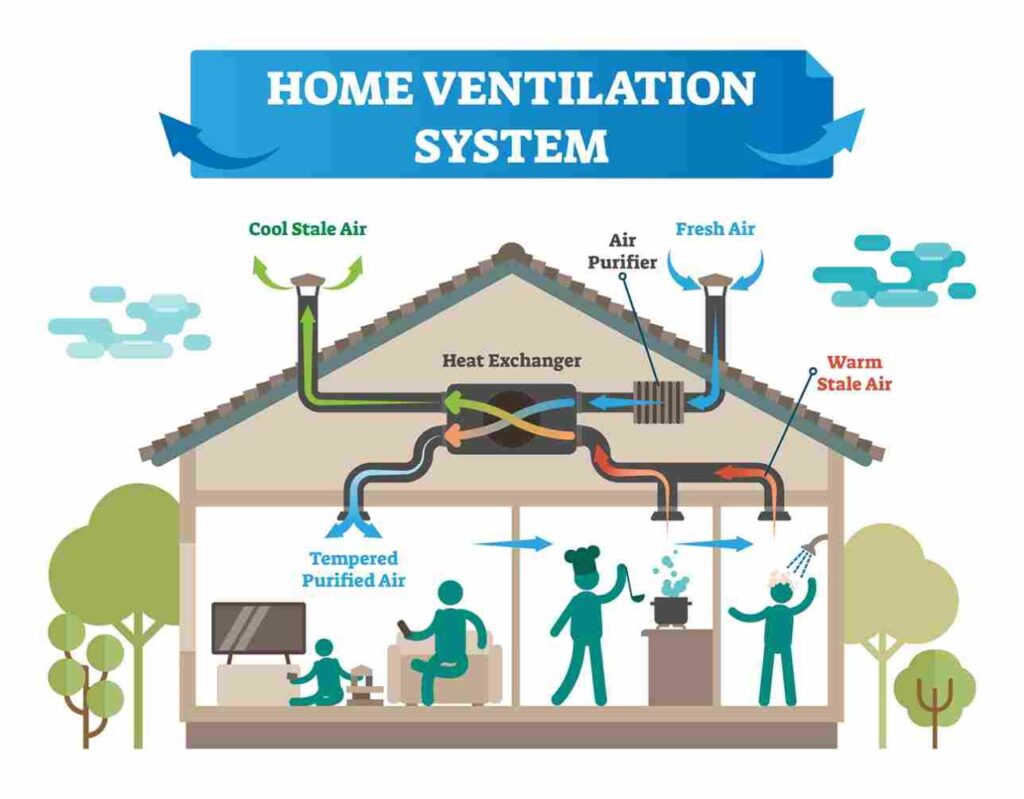
A home ventilation system helps create a comfortable and healthy indoor environment by supporting the continuous circulation and exchange of air throughout a property. As modern construction increasingly prioritises better insulation and airtightness, effective ventilation becomes essential for reducing indoor pollutants and controlling excess moisture. These systems can improve indoor air quality while assisting with temperature management, contributing to more comfortable living spaces. Energy-efficient ventilation technology can also help reduce a property’s environmental impact by supporting responsible energy use. Understanding how these systems operate and the benefits they provide can help property owners make informed choices for healthier, more sustainable homes.
Maintaining a Healthier Indoor Environment through Home Ventilation
Proper ventilation in a home supports a continuous exchange of indoor and outdoor air, helping maintain a balanced and healthy atmosphere. By encouraging consistent airflow, ventilation systems assist in removing airborne impurities such as volatile organic compounds, odours, and fine particles, promoting cleaner indoor air. Effective ventilation also helps manage excess moisture, reducing the likelihood of condensation and damp-related concerns, including mould growth and structural deterioration.
Ventilation also contributes to temperature management by helping prevent indoor areas from becoming excessively stuffy or humid. Properties without sufficient airflow can experience an accumulation of allergens and pollutants, which may affect occupant comfort and general well-being. Whether achieved through natural airflow or mechanical systems, effective ventilation encourages the movement of fresh air, which is particularly valuable in modern properties designed with airtight insulation.
Essential Elements within a Home Ventilation-System
A home ventilation-system consists of multiple interconnected components designed to support efficient air circulation throughout a property. Fans are central to the system, creating the airflow required to move air between different areas. Ductwork provides pathways for distributing air throughout the home, helping achieve consistent ventilation across individual spaces.
Vents are positioned strategically to support air intake and exhaust, allowing a steady exchange between indoor and outdoor environments. Filters also play an important role by capturing dust, allergens, and other airborne pollutants, helping improve indoor air quality. Other components can include dampers for regulating airflow and heat recovery units that recapture heat from outgoing air to support greater energy efficiency.
Every component serves a defined function and contributes to the system’s overall operation and performance. Correct integration and positioning help ensure effective airflow while maintaining comfortable indoor conditions and air quality. Appropriate design and professional installation are important for achieving efficient ventilation and energy performance throughout a property.
Exploring Different Home Ventilation-Systems
Home ventilation-systems are available in several configurations, allowing different properties to meet specific ventilation requirements. Natural ventilation depends on passive airflow through openings such as windows, vents, and trickle ventilators, using external influences including wind and temperature variations. Mechanical ventilation, meanwhile, uses fans and ductwork to actively manage airflow, providing more consistent air exchange regardless of outdoor conditions. Mechanical options include exhaust-only, supply-only, and balanced systems, with balanced ventilation offering improved efficiency through technologies such as heat recovery.
Hybrid systems combine natural airflow with mechanical ventilation, adjusting performance according to changing environmental conditions. Choosing a suitable system depends on considerations including building design, insulation, climate, and required indoor air quality. Mechanical and balanced systems can be particularly effective in modern airtight properties, where natural airflow may not provide sufficient air exchange. Each ventilation approach offers distinct characteristics that can support a comfortable and healthier indoor environment.
Energy Efficiency in Home Ventilation
Energy efficiency is an important aspect of any home ventilation-system, as it ensures effective air circulation while minimising energy usage. Modern systems are often designed with advanced features such as heat recovery units, which capture warmth from outgoing air and transfer it to incoming air. This process reduces the reliance on heating systems during colder months. Additionally, some systems utilise energy-efficient motors and variable speed controls, allowing for precise airflow regulation without excessive power consumption.
Proper installation and insulation of the system also play a crucial role in reducing energy losses. These features not only help lower energy bills but also contribute to environmental sustainability by reducing overall carbon emissions. By maintaining a balance between functionality and energy consumption, ventilation systems can enhance indoor air quality while supporting energy-efficient living. Advanced designs ensure that properties remain comfortable and healthy without unnecessary strain on resources, making them a valuable addition to modern homes.
Sustaining Reliable Performance with a Home Ventilation System
Routine upkeep of a home ventilation system is essential for maintaining efficiency and extending its service life. Important maintenance tasks include cleaning fans, ducts, and vents to prevent dust and debris from accumulating, which can restrict airflow and reduce system performance. Filters should be inspected regularly and replaced promptly to support good air quality while limiting the circulation of allergens and pollutants. Checking ductwork for leaks or damage is equally important, as these issues can affect airflow and energy efficiency.
Ensuring mechanical components, including motors and dampers, operate correctly can help minimise the risk of expensive repairs or replacements. Periodic servicing by qualified professionals may also be required to identify complex problems and ensure the system continues meeting relevant safety standards. Prioritising regular maintenance allows the system to deliver fresh air consistently, improve indoor comfort, support occupant well-being, and extend its operational lifespan.
Financial Factors When Choosing Home Ventilation-Systems
The overall cost of installing a home ventilation-system depends on various factors, including the selected system type, property size and layout, and installation complexity. Advanced systems featuring heat recovery units or smart technology may involve higher initial expenses but can provide long-term savings through improved energy efficiency.
Installation costs can vary according to the property’s existing infrastructure, as retrofitting a system into an older building may require more labour than incorporating ventilation during new construction. The materials and components selected can also influence the final expense, with higher-quality options often providing improved durability and performance. Although upfront costs may seem considerable, they can be balanced by benefits such as better indoor air quality, lower energy consumption, and potentially greater property value.
Health Advantages of Effective Home Ventilation
Proper ventilation is important for supporting a healthier indoor environment by helping control airborne contaminants and humidity levels. Removing pollutants such as dust, pet dander, and volatile organic compounds can reduce exposure to substances that may contribute to respiratory discomfort and allergic reactions. Consistent fresh-air circulation also helps control excess moisture, limiting conditions that can encourage mould and mildew development.
Prolonged exposure to damp indoor conditions may contribute to respiratory discomfort and other health concerns. Effective ventilation can also help manage carbon dioxide accumulation by encouraging a steady supply of fresh air, supporting greater comfort and well-being. By maintaining appropriate humidity levels, ventilation may further reduce discomfort associated with excessively dry or humid air, which can aggravate skin irritation or respiratory symptoms.
Managing Home Ventilation through Seasonal Conditions
Seasonal changes can affect the operation and performance of a home ventilation-system, making appropriate adjustments important for maintaining comfortable indoor conditions. During colder months, effective ventilation can help control condensation and dampness by maintaining adequate airflow, reducing conditions that encourage mould and mildew growth. Heat recovery ventilators are particularly useful during winter because they retain warmth from outgoing air, helping reduce heat loss.
During warmer weather, ventilation systems can support cooler indoor conditions by increasing air exchange and removing accumulated heat. Certain systems can also regulate humidity levels, helping maintain comfort as outdoor conditions fluctuate. Seasonal maintenance is equally valuable, including clearing vents of debris during autumn to prevent blockages and adjusting ventilation settings in spring when pollen levels may be higher.
Innovations in Home Ventilation-Systems
Advancements in home ventilation-systems have introduced cutting-edge technologies designed to optimise indoor air quality and system efficiency. Smart ventilation controls now allow for seamless integration with automated home systems, enabling real-time monitoring and precise adjustments to airflow settings. Enhanced filtration systems are increasingly capable of capturing ultrafine particles, including allergens and pollutants, significantly improving indoor environmental conditions. Additionally, innovations such as energy-efficient fans and advanced heat recovery technologies reduce energy consumption while maintaining optimal performance.
Some systems incorporate sensors to monitor humidity, air quality, and temperature, ensuring consistent adjustments to meet specific indoor requirements. New designs also emphasise quieter operation, making modern ventilation solutions both efficient and discreet. Modular and scalable systems offer flexibility, accommodating a wide range of property sizes and layouts. These advancements reflect the growing focus on sustainability, health, and convenience, aligning with the evolving priorities of contemporary living spaces. Innovative technologies continue to redefine the role of ventilation systems in modern homes.
Clearing Up Misconceptions about Home Ventilation-Systems
Several misconceptions about home ventilation-systems can lead to confusion about their purpose, operation, and value. A common belief is that ventilation is unnecessary in homes with modern insulation, although increased airtightness can make controlled ventilation more important for maintaining good indoor air quality. Another misconception suggests that ventilation systems are complicated and difficult to install, while many systems are designed to suit different property layouts and construction types.
There is also an assumption that ventilation systems are expensive to operate, despite improvements in energy-efficient technology that can help reduce ongoing running costs. Some people believe mechanical ventilation causes constant draughts, but appropriately designed systems can provide controlled airflow without compromising indoor comfort. Another misconception is that ventilation systems have little impact on moisture, even though effective air exchange can help manage humidity, condensation, and dampness within the home.
Conclusion
Investing in a home ventilation system can help establish a healthier and more comfortable indoor environment by supporting efficient air circulation and improved air quality. Contemporary systems feature energy-efficient technologies and heat recovery mechanisms that can support sustainable living while helping minimise unnecessary energy consumption. Regular maintenance, including filter cleaning and replacement, helps maintain reliable performance and extend system longevity. Advancements in ventilation technology, including smart controls and improved filtration, offer greater convenience and flexibility for different property requirements. Well-designed systems can effectively address moisture management, temperature balance, and the removal of indoor airborne pollutants.
FAQs
What are the main functions of a home ventilation system?
A home ventilation system facilitates continuous air exchange, supporting healthier indoor conditions by removing pollutants, managing humidity levels, and maintaining consistent airflow throughout the property.
How often should ventilation system components be checked?
Components including filters and vents should be inspected routinely, generally every three to six months, to maintain effective performance and minimise the risk of blockages or reduced efficiency.
Can ventilation-systems help improve energy conservation?
Yes, modern systems may incorporate features such as heat recovery technology and energy-efficient motors that help reduce energy consumption while supporting consistent and effective indoor air circulation.
Can home ventilation-systems be installed in different property types?
Home ventilation-systems can be adapted and customised for various property layouts, including modern airtight buildings as well as older homes with different structural configurations and installation requirements.
Why are filters important in ventilation-systems?
Filters play an important role in capturing airborne particles, including dust, allergens, and pollutants, helping ensure cleaner and more effectively filtered air is circulated throughout the indoor environment.
Can modern ventilation-systems operate through automated controls?
Many contemporary systems incorporate smart controls that enable automatic adjustments according to indoor conditions and can integrate with wider home automation technologies for improved efficiency, convenience, and ease of operation.
| Related Business Listings |
| Contact Directory |
| Local Business Profiles |