When buyers evaluate luxury high-rise developments along Golf Course Road, visual aesthetics and clubhouse facilities often take center stage. However, the true durability of a residential asset lies in its core engineering—the unseen structural standards, environmental management systems, and safety protocols that protect residents and maintain property values over time.
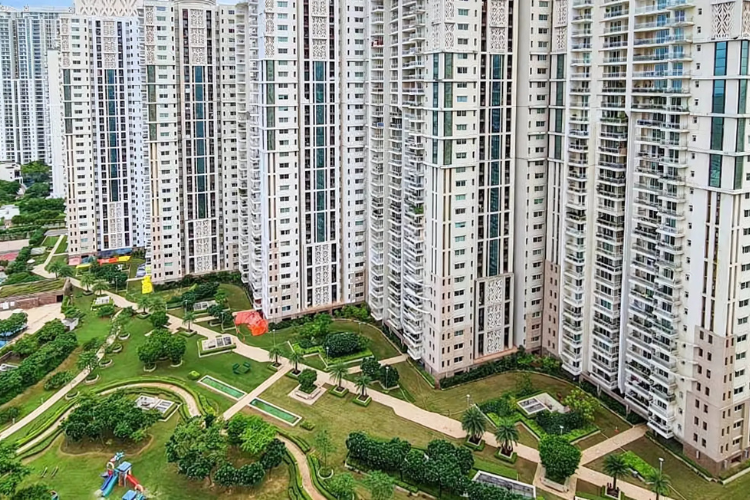
Located in Sector 54, DLF Phase 5, DLF Park Place spans 15 acres and houses 13 residential towers. Built during an era when large-scale high-rise engineering was rapidly advancing in NCR, this development incorporates specific structural, electrical, and environmental features designed to meet modern standards of safety, comfort, and resource efficiency.
Structural Resilience: Built for Seismic Safety
Gurgaon falls into Seismic Zone IV, making structural resilience a fundamental requirement for high-rise residential projects. Park Place Gurgaon was engineered to exceed local building mandates, incorporating design principles capable of handling extreme environmental stress.
-
Zone V Seismic Design Standards: The structural frame and foundations were engineered to meet Zone V safety parameters—one level above the local statutory requirement—providing an additional safety margin against seismic activity.
-
Advanced Concrete Engineering: The towers utilize high-grade reinforced cement concrete (RCC) shear wall construction. This rigid structural frame minimizes lateral drift during high winds and seismic events while offering superior acoustic isolation between adjoining apartments.
-
Low-Density Site Planning: Tower footprints are arranged to distribute structural loads evenly across the 15-acre footprint, preserving wide open corridors for natural airflow and daylight penetration.
Environmental and HVAC Engineering
Maintaining comfortable indoor temperatures and low noise levels along a major arterial corridor like Golf Course Road requires specific building envelope design. DLF Park Place integrates passive insulation and active climate control systems to minimize utility overheads.
Double-Glazed Window Assemblies
Residences are fitted with high-performance double-glazed glass windows. The air gap sandwiched between the two glass panes serves two primary functions:
-
Acoustic Insulation: It dampens external traffic sounds from Golf Course Road, keeping ambient indoor sound levels low.
-
Thermal Retention: It limits solar heat gain during peak summer months and reduces heat loss during winter, lightening the load on internal air-conditioning units.
VRV/VRF Multi-Split Climate Control
The complex uses Variable Refrigerant Volume (VRV) / Variable Refrigerant Flow (VRF) air-conditioning systems. Unlike standard fixed-speed air conditioners, VRV technology adjusts refrigerant flow based on individual room demand. This allows precise zone-by-zone climate management while significantly reducing power consumption during partial-load conditions.
Utility Infrastructure and Power Resilience
High-rise residential living depends heavily on continuous utility support. DLF Park Place addresses municipal grid fluctuations through dedicated, heavy-duty utility infrastructure.
-
100% Power Backup Capability: The complex incorporates central diesel generator (DG) sets capable of providing full electricity backup. This system supports complete household electrical loads, including VRV air conditioning, water heating, and kitchen appliances, ensuring smooth transitions during grid power disruptions.
-
Climate-Controlled Elevators and Lobbies: Entrance lobbies, passenger lifts, and service elevators operate on dedicated backup power channels, ensuring uninterrupted vertical transit across all 30 floors of every tower.
Water Management and Ecological Systems
Resource conservation is a key operational focus at DLF Park Place. The development incorporates closed-loop water treatment and conservation infrastructure to reduce freshwater dependency.
-
On-Site Sewage Treatment Plant (STP): An integrated STP processes wastewater generated across the 13 towers. The treated graywater is recycled internally for flushing systems, cooling towers, and maintaining the central landscaped gardens, significantly lowering overall municipal water draw.
-
Rainwater Harvesting Infrastructure: Deep-recharge rainwater harvesting pits are positioned across the 15-acre site. These collect surface runoff during monsoon months, helping replenish the local water table and prevent localized waterlogging.
Multi-Tiered Safety and Fire Suppression Protocols
Resident security and life safety protocols operate through an integrated, multi-layered management system:
-
3-Tier Access Verification: Entry is regulated across three distinct checkpoints: the main perimeter gates, tower ground-floor entrance lobbies, and elevator access points using smart key cards and audio-video intercom systems.
-
24/7 CCTV Monitoring: Comprehensive camera coverage monitors common areas, basements, perimeter walls, and elevator cabs from a centralized security control room.
-
Active Fire Protection: Every tower features pressurized fire staircases, heat and smoke detectors, central sprinkler networks, external fire hydrants, and dedicated high-capacity service lifts for emergency personnel.
By combining seismic structural engineering, energy-efficient HVAC design, closed-loop water treatment, and robust fire safety protocols, DLF Park Place provides a reliable, secure environment for its residents. These technical foundations ensure the project remains a safe and enduring residential landmark on Golf Course Road.
Read our blog on Why Investors and High-Net-Worth Buyers Are Eyeing Sobha Rivana