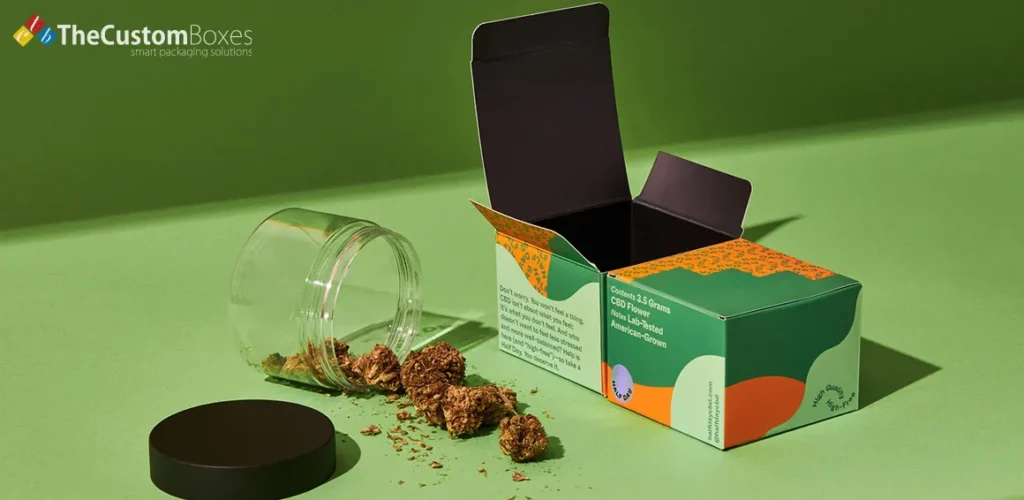
The CBD industry has experienced remarkable growth, creating new opportunities for businesses to introduce innovative products and build recognizable brands. However, with increasing competition, standing out in the market requires more than offering high-quality CBD products. Packaging also plays an essential role in attracting customers, communicating brand values, protecting products, and building consumer trust. A well-designed package can make a strong first impression, while poor packaging choices can negatively affect a brand’s reputation and sales.
Whether you sell CBD oils, gummies, capsules, creams, or other hemp-derived products, investing in professional packaging should be a priority. Unfortunately, many businesses make avoidable packaging mistakes that reduce product appeal and create unnecessary challenges. From selecting unsuitable materials to overlooking important labeling information, even small design errors can affect the customer experience.
Custom CBD Packaging Boxes provide businesses with an opportunity to create distinctive packaging that reflects their identity and meets product requirements. However, achieving the right results requires careful planning, attention to detail, and an understanding of customer expectations.
In this article, we will explore the most common CBD packaging design mistakes you should avoid at all costs and discuss practical ways to create packaging that supports your brand’s success.
1. Choosing Low-Quality Packaging Materials
One of the biggest mistakes CBD businesses make is choosing packaging materials based only on price. While reducing packaging costs is important, selecting low-quality materials can create bigger problems in the long run.
CBD products, particularly oils and tinctures, require suitable packaging that protects them from external factors such as moisture, light, heat, and physical damage. Weak cardboard, poor-quality printing surfaces, and unsuitable inserts can compromise the overall packaging experience.
For example, a CBD oil bottle placed inside a flimsy box may move around during transportation, increasing the possibility of damage. Similarly, packaging that tears easily can make customers question the quality of the product inside.
To avoid this mistake, select durable materials that provide adequate protection. High-quality cardboard, rigid stock, and appropriate protective inserts can improve product safety and presentation. Always consider the product’s weight, dimensions, storage requirements, and shipping conditions before finalizing your packaging materials.
2. Ignoring Your Brand Identity
Your packaging is often the first interaction customers have with your brand. If the design does not communicate your business identity, you may struggle to establish recognition in a competitive CBD market.
Some businesses use random colors, inconsistent fonts, and unrelated graphics without considering how these elements work together. As a result, their packaging looks unprofessional and fails to create a memorable impression.
A strong brand identity requires consistency. Your logo, color palette, typography, images, and overall design should communicate a recognizable message.
For instance, a CBD brand promoting natural ingredients and wellness might choose earthy colors, clean typography, and minimal graphics. A premium CBD brand may prefer sophisticated colors, elegant fonts, and refined finishing options.
Make sure your packaging reflects your brand personality and appeals to your target audience. Consistency across different product categories also helps customers recognize your products more easily.
3. Overloading the Packaging With Information
Another common mistake is adding too much information to the packaging. While customers need important details about CBD products, presenting everything in a crowded layout can make the design difficult to understand.
Small fonts, excessive text, unnecessary graphics, and multiple design elements can overwhelm customers. Instead of making the product informative, an overcrowded design creates confusion.
The best approach is to organize information according to its importance. Your brand name, product type, essential product details, and legally required information should be easy to identify.
Use clear headings, readable typography, sufficient spacing, and a balanced layout. Additional information can be placed on secondary panels where appropriate.
Remember that good packaging design is not about including as much information as possible. It is about presenting the right information in a clear and organized way.
4. Neglecting Legal and Regulatory Labeling Requirements
CBD products are subject to different regulations depending on the country, state, and market where they are sold. Ignoring labeling requirements can result in compliance issues, product recalls, or restrictions on distribution.
Some CBD brands focus heavily on visual appeal while forgetting essential product information. This can include ingredient lists, net quantity, manufacturer details, batch identification, warnings, and other required disclosures.
Depending on the product and jurisdiction, additional requirements may apply to THC content, cannabinoid information, laboratory testing, and health-related claims.
Businesses should never assume that attractive packaging automatically meets legal requirements. Before printing packaging in large quantities, review the applicable regulations and have the final artwork checked by a qualified compliance professional.
Avoid unsupported medical claims or misleading statements about the benefits of CBD. Your packaging should provide accurate, transparent, and legally appropriate information.
5. Using the Wrong Packaging Size
Packaging size has a direct impact on product protection, presentation, storage, and shipping costs. Choosing boxes that are too large or too small is a mistake that can negatively affect the entire customer experience.
Oversized packaging makes products look less appealing and may require additional inserts or protective materials. It can also increase shipping expenses because of unnecessary space and dimensional weight.
On the other hand, undersized packaging can damage the product, create pressure on the container, or make it difficult for customers to remove the item.
Before designing your packaging, measure the product carefully. Consider its height, width, depth, shape, and any additional accessories that need to fit inside the box.
Create a packaging prototype and test how the product fits before approving a large production order. A properly sized box improves protection while maintaining a clean and professional appearance.
6. Ignoring the Importance of Visual Appeal
Customers often make purchasing decisions based on their first impressions. If your CBD packaging looks outdated, generic, or poorly designed, potential buyers may overlook your product.
Many businesses make the mistake of using too many colors, low-resolution images, inconsistent graphics, or unsuitable typography. These design choices can make even a high-quality product appear less professional.
Visual appeal does not necessarily mean using complicated artwork or expensive finishes. Sometimes, simple and elegant designs are more effective.
Choose a consistent color combination, use high-resolution graphics, and ensure that your logo is clearly visible. Maintain enough white space to make the design look organized.
You can also consider premium finishing techniques such as embossing, debossing, foil stamping, and matte or gloss coatings. However, these options should complement your brand rather than distract from the product.
7. Overlooking Product-Specific Packaging Requirements
Not every CBD product has the same packaging needs. A common mistake is using one standard packaging design for every product category without considering differences in shape, size, and storage requirements.
For example, CBD tinctures usually come in glass or plastic bottles, while CBD gummies may require pouches or jars. CBD creams and lotions may come in tubes, jars, or other containers.
Each product requires packaging that accommodates its specific dimensions and provides suitable protection.
CBD Hemp Oil Boxes, for example, should be designed to hold oil bottles securely and reduce the risk of movement during handling and transportation. Custom inserts can help keep bottles in position, while appropriately selected materials can provide additional protection.
Always consider the product’s physical characteristics before choosing a packaging style. Product-specific packaging improves functionality and creates a more satisfying unboxing experience.
8. Compromising on Printing Quality
Printing quality is another important factor that can influence how customers perceive your CBD brand. Poor printing can make even an excellent packaging design look unprofessional.
Common printing mistakes include blurry images, incorrect colors, faded graphics, misaligned text, and inconsistent finishes.
These issues often occur when businesses use low-quality printing services or fail to review packaging samples before production.
To prevent these problems, work with an experienced packaging manufacturer that offers reliable printing solutions. Request a physical sample or proof before approving the final order.
Check the colors, font sizes, logo placement, image quality, and overall finishing. Make sure the printed design matches your approved artwork.
Investing in quality printing helps create packaging that looks professional and supports a consistent brand image.
9. Forgetting About the Customer Unboxing Experience
Packaging is not just about protecting products. It also contributes to the customer’s overall experience.
Some businesses focus entirely on external appearance and forget what happens when customers open the box. Difficult-to-open packaging, poorly fitted inserts, loose products, and excessive packaging materials can create frustration.
A positive unboxing experience can encourage customers to remember your brand and share their purchases with others.
Consider practical features such as easy-open closures, secure inserts, organized product placement, and clear instructions where appropriate.
You can also add thoughtful design elements, such as branded interior printing or a simple thank-you message, to make the experience more memorable.
However, avoid unnecessary decorative elements that increase costs without improving functionality.
10. Focusing Only on Price Instead of Overall Value
Reducing packaging expenses is important for every business, particularly startups and small CBD brands. However, choosing the cheapest available packaging option is not always a smart business decision.
Low-cost packaging may have poor durability, inconsistent printing, or limited customization options. These problems can increase product damage, customer complaints, and replacement expenses.
Instead of considering price alone, evaluate the overall value of your packaging investment.
Consider material quality, printing performance, customization options, order quantities, shipping protection, and production consistency.
CBD Boxes Wholesale can be a practical option for businesses that need packaging in larger quantities. Buying in bulk may help reduce the per-unit packaging cost, depending on order volume, material selection, and supplier pricing.
Before placing a wholesale order, request samples, compare specifications, and review production timelines. This approach helps you balance affordability with quality.
11. Ignoring Sustainable Packaging Options
Modern consumers are increasingly interested in environmentally responsible products and packaging. CBD brands that overlook sustainability may miss an opportunity to connect with environmentally conscious customers.
Using excessive plastic, non-recyclable materials, and unnecessary packaging components can negatively affect your brand image.
Consider recyclable cardboard, responsibly sourced paper materials, and appropriately selected biodegradable options where practical. You can also reduce unnecessary packaging layers without compromising product safety.
However, sustainability claims should always be accurate and supported by the material specifications. Do not label packaging as biodegradable, compostable, or recyclable unless those claims are appropriate for the material and disposal conditions.
A thoughtful approach to sustainable packaging can help communicate your brand’s commitment to responsible business practices.
12. Not Considering Shipping and Storage Requirements
Packaging that looks attractive in a retail display may not necessarily perform well during shipping. CBD businesses that sell products online must consider the challenges associated with transportation and storage.
Packages may experience pressure, vibration, temperature changes, moisture, and rough handling during delivery. If the packaging is not designed to withstand these conditions, products may arrive damaged.
For this reason, businesses should test their packaging under realistic shipping conditions.
Use suitable protective inserts, secure closures, and durable outer packaging where necessary. Pay attention to bottle protection, especially when dealing with glass CBD containers.
You should also consider how packaging will be stored in warehouses and displayed in retail environments. Proper planning can reduce unnecessary damage and improve operational efficiency.
13. Failing to Work With an Experienced Packaging Supplier
Even a well-planned packaging design can produce disappointing results if the manufacturer cannot meet your expectations.
Some businesses select suppliers without checking their experience, production capabilities, material options, or quality control procedures.
This can lead to delayed deliveries, inconsistent printing, incorrect dimensions, and poor-quality finished products.
Working with a reliable packaging supplier makes the entire process easier. Look for a company that understands customization, provides clear specifications, offers sample approvals, and communicates effectively throughout production.
Betec Packaging is a name businesses can explore when researching customized packaging solutions for CBD products. When evaluating any packaging provider, compare its available materials, customization capabilities, printing quality, pricing, and delivery arrangements before making a decision.
A dependable supplier can help turn your packaging concept into a practical and professional finished product.
14. Skipping Packaging Testing Before Mass Production
One of the most expensive mistakes CBD businesses can make is approving a large packaging order without testing a sample first.
A design may look perfect on a computer screen but produce unexpected results during actual manufacturing. Colors may appear different, text may become difficult to read, and box dimensions may not fit the product correctly.
Testing helps identify these problems before they affect an entire production batch.
Always request a prototype or pre-production sample. Check the material strength, folding structure, printing quality, product fit, and overall appearance.
If possible, conduct basic drop, handling, and shipping tests to evaluate how well the packaging protects the product.
Taking time to test your packaging can prevent unnecessary expenses and ensure that your final order meets your expectations.
Conclusion
CBD packaging plays an important role in product protection, brand recognition, customer satisfaction, and market positioning. However, even small design mistakes can reduce packaging effectiveness and negatively influence how customers perceive your business.
From selecting poor-quality materials and ignoring labeling requirements to choosing incorrect box sizes and overlooking the unboxing experience, these mistakes should be addressed before launching your products.
The key is to balance appearance, functionality, compliance, and affordability. Invest in durable materials, maintain a consistent brand identity, prioritize readable information, and test your packaging before mass production.
With carefully designed packaging and a reliable manufacturing partner, your CBD products can create a professional impression while meeting practical packaging requirements.
Ultimately, successful CBD packaging is not simply about creating an attractive box. It is about developing a complete packaging solution that protects your product, communicates your brand message, and builds customer confidence.