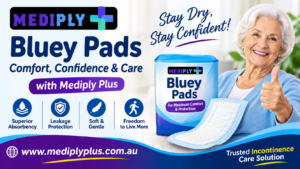
Bluey Pads
A bluey pad and a high-absorbency continence Pad are two different products. They serve two different jobs. One protects a surface. The other is worn and holds a larger volume. They are not interchangeable.
Bluey pad – Understand these primary facts
Urine leakage is a common problem for many people. Bluey pads help you prevent this leakage. They also help you preserve menstrual hygiene. You can use them to meet your limited or occasional requirements. They safeguard during rest and help carers manage continence day to day.
High absorbency continence pad
Built for moderate to heavy leakage, absorbent materials draw moisture away from the skin and hold it inside the product. High absorbency continence pads suit frequent bladder leakage, reduced mobility, older adults needing more continence support, heavier incontinence, and overnight use where the product is specifically designed for extended wear. A suitable high absorbency product reduces leakage incidents and makes the day easier to plan around.
The differences that matter
Let us discuss the differences that matter. When you learn about bluey pads and high continence pads clearly, you can make the right choice.
Absorbency
High absorbency continence pads hold larger volumes of urine, while other protective pads are intended for lighter leakage or surface protection.
Placement
Some products are worn inside underwear; others go on a bed, a chair, or another surface. Confirm which before using it.
Be careful about absorbency.
Choosing the right product is crucial. Using pads with minimal absorbency will create leakage issues. Loose or unwanted bulky pads make you uncomfortable. The right product gives sufficient protection without restricting what the person can do. Occasional leakage usually calls for a lighter option like bluey pads. Moderate to heavy incontinence is where a specially designed high absorbency product is appropriate.
Daytime requirements
Daytime needs follow a person’s activity levels, mobility and bladder control. Someone who leaks when coughing, exercising or sneezing generally needs a lighter product. More frequent leakage calls for higher absorbency. What to weigh up? Assess leakage frequency and quantity. Check the comfort level. The best pads don’t interfere when you are walking or sitting. Ease of use is another crucial element. Frequent changes of pads are advisable. Assess the hygiene level. Don’t expose your skin to moisture for an extended period.
Overnight needs
A person may go several hours without changing overnight, so the product has to carry more. High absorbency pads designed for overnight use manage heavier leakage and protect clothing and bedding. Not every high absorbency pad suits extended overnight wear. Look for appropriate capacity, a comfortable and secure fit, reliable leak protection, breathable materials and skin-friendly construction. Where mobility is limited, carers should set a changing routine around the person’s needs and the product instructions.
Conclusion
When choosing a continence pad, work out whether leakage is occasional, moderate or heavy. Then check the absorbency rating, dimensions and intended use of anything you consider. Prioritise fit and comfort, choose materials suited to the person’s skin, and change wet products promptly. Daytime activity and overnight protection may call for different products.