Melasma is a common skin condition characterized by dark, discolored patches on the skin, often appearing on the face. For many individuals dealing with melasma, finding effective treatment options can be a challenge. Chemical peels in Abu Dhabi have gained popularity as a potential solution to improve skin appearance and address hyperpigmentation issues like melasma. This treatment involves applying a chemical solution to the skin, which promotes exfoliation and renewal. Many people are curious about whether chemical peels can truly help with melasma and what to expect from the procedure.
Understanding Melasma and Its Causes
What Is Melasma?
Melasma appears as symmetrical patches of darkened skin, often on the cheeks, forehead, upper lip, or chin. It is mainly a cosmetic concern but can also impact an individual’s confidence and self-esteem. The condition is more common among women but can also affect men.
Causes of Melasma
The development of melasma is influenced by various factors, including:
- Hormonal changes, such as pregnancy or birth control pills
- Sun exposure and UV radiation
- Genetic predisposition
- Skin irritation or injury
- Certain medications that increase sun sensitivity
Understanding these causes can help in managing and preventing melasma effectively.
How Chemical Peels in Abu Dhabi Can Help with Melasma
What Are Chemical Peels?
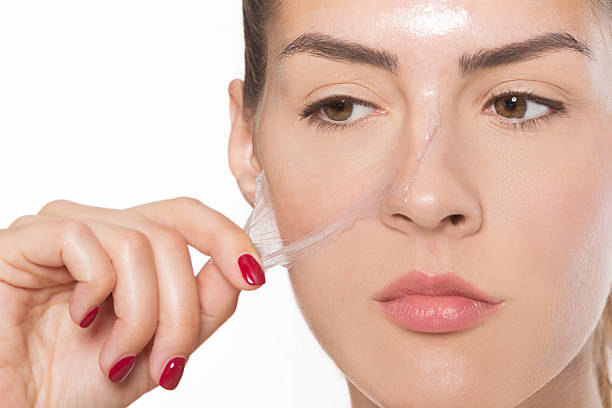
Chemical peels are dermatological treatments that involve applying a chemical solution to the skin to remove the outermost layers. This process stimulates skin renewal and can improve the appearance of hyperpigmentation, including melasma.
Benefits of Chemical Peels for Melasma
- Reduction of Pigmentation: Chemical peels help in breaking down excess melanin, leading to a more even skin tone.
- Skin rejuvenation: They promote collagen production, resulting in smoother, brighter skin.
- Improved skin texture: Chemical peels can diminish roughness, unevenness, and fine lines.
- Enhanced absorption of skincare products: After a peel, the skin may absorb topical treatments more effectively.
Types of Chemical Peels Suitable for Melasma
Different types of chemical peels are available, each suited for various skin concerns. For melasma, superficial peels are commonly used due to their gentler approach. These include:
- Glycolic acid peels
- TCA (trichloroacetic acid) peels
- Jessner’s solution
The choice of peel depends on the severity of melasma, skin type, and individual goals.
How the Procedure Works
During a chemical peel procedure, a trained practitioner applies the chemical solution to the affected skin areas. The solution causes controlled exfoliation, leading to the removal of damaged and pigmented skin layers. After the peel, the skin may appear red or slightly swollen, but this typically subsides within a few days. Over time, new, healthier skin emerges, often with a more even tone.
Effectiveness of Chemical Peels in Treating Melasma
Expected Results
While chemical peels can significantly improve melasma, it’s important to have realistic expectations. The results often depend on factors such as skin type, the severity of pigmentation, and adherence to post-treatment care. Multiple sessions may be necessary to achieve optimal results.
Limitations and Considerations
- Chemical peels are most effective when combined with sun protection and proper skin care.
- They may not completely eliminate melasma but can reduce its appearance.
- Regular maintenance treatments might be needed to sustain results.
Compatibility with Other Treatments
Chemical peels are often used alongside other treatments like topical creams or laser therapy for comprehensive melasma management. Combining treatments can enhance outcomes but should be discussed with a skincare professional.
Preparing for Chemical Peels in Abu Dhabi
Consultation and Skin Assessment
Before undergoing a chemical peel, a consultation is essential to evaluate skin condition, discuss concerns, and determine the most suitable peel type. A thorough skin assessment helps in customizing the treatment plan.
Pre-Treatment Skin Care
Practitioners may recommend avoiding sun exposure, using gentle cleansers, and discontinuing certain skincare products prior to the procedure to optimize results and minimize risks.
Recovery and Post-Treatment Care
Immediate Aftercare
Post-peel, the skin may feel sensitive or appear red. It is crucial to keep the skin moisturized and avoid direct sun exposure. Using broad-spectrum sunscreen daily is highly recommended to protect the skin from UV rays.
Long-Term Skin Maintenance
Consistent sun protection, gentle skincare routines, and follow-up treatments can help in maintaining the benefits of chemical peels and prevent the recurrence of melasma.
FAQs About Chemical Peels and Melasma
Are chemical peels safe for melasma?
Chemical peels are generally safe when performed by trained professionals. They can be an effective option for reducing melasma, provided proper pre- and post-treatment care is followed.
How many sessions are needed?
The number of sessions varies based on individual skin conditions and goals. Typically, a series of 3 to 6 sessions spaced several weeks apart can yield noticeable improvements.
Can chemical peels completely eliminate melasma?
While chemical peels can significantly diminish melasma’s appearance, complete elimination may not always be achievable. Consistent skin care and sun protection are essential for maintaining results.
Is downtime required after the procedure?
Downtime is usually minimal with superficial peels. Some redness or peeling may occur, but most individuals can resume daily activities shortly after the treatment.
Who should avoid chemical peels?
People with certain skin conditions or sensitivities should consult with a skincare professional before proceeding. It’s also essential to inform the practitioner about any medications or skin treatments being used.
Conclusion
Chemical peels in Abu Dhabi offer a promising solution for those looking to improve the appearance of melasma. By promoting skin renewal and reducing pigmentation, they can help individuals achieve a brighter, more even complexion. However, it is crucial to approach treatment under expert guidance, follow proper skincare routines, and maintain sun protection to maximize benefits. With patience and consistent care, chemical peels can be an effective part of a comprehensive melasma management strategy.
READ MORE : Can Chemical Peels Reduce Acne Breakouts?