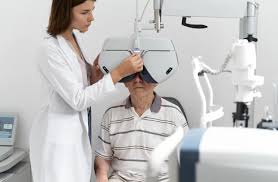
Retinitis pigmentosa (RP) is a group of inherited eye disorders that gradually damage the retina, the light-sensitive tissue at the back of the eye. This condition affects how the eyes respond to light and can lead to night blindness, difficulty seeing in low-light environments, reduced peripheral vision and, in some cases, severe vision impairment.
Although there is currently no universal cure for retinitis pigmentosa, medical research continues to explore treatments that may help preserve vision, improve visual function and support people living with this condition. Advances in genetic testing, retinal imaging, gene therapy and low-vision rehabilitation have created new opportunities for managing RP.
Understanding the available options is an important step towards making informed decisions about eye health. This article discusses nine promising approaches to Retinitis Pigmentosa Treatment, including medical care, nutritional support, emerging therapies and practical lifestyle measures.
What Is Retinitis Pigmentosa?
Retinitis pigmentosa is a genetic disorder that affects the photoreceptor cells in the retina. These cells, known as rods and cones, help the eyes detect light, movement and colour.
In many people with RP, rod cells are affected first. This explains why night blindness and difficulty adjusting to darkness are often early symptoms. As the condition progresses, peripheral vision may gradually narrow, sometimes creating tunnel vision.
Common symptoms include:
- Difficulty seeing in dim lighting.
- Poor night vision.
- Reduced peripheral vision.
- Difficulty adjusting between bright and dark environments.
- Increased sensitivity to glare in some individuals.
- Gradual loss of central vision in advanced cases.
The condition can develop at different rates depending on the genetic changes involved. Regular examinations by a retinal specialist can help monitor progression and identify complications.
9 Promising Ways to Support Vision Health
1. Explore Genetic Testing and Personalised Treatment
Genetic testing is an important development in modern retinitis pigmentosa care. Since RP can result from changes in several different genes, identifying the specific genetic cause may help doctors understand the condition more accurately.
A genetic test can identify whether a person has an inherited retinal disorder associated with genes such as RHO, RPGR, USH2A or other recognised RP-related genes.
Knowing the genetic cause may help patients:
- Understand how their condition is inherited.
- Receive more accurate genetic counselling.
- Explore eligibility for gene-specific clinical trials.
- Identify potentially suitable treatment options.
- Make informed family-planning decisions.
Genetic testing does not automatically provide a treatment, but it can be valuable when considering emerging therapies. A genetic counsellor or inherited retinal disease specialist can explain the results and their implications.
2. Consider Gene Therapy Options
Gene therapy is one of the most promising areas of research for inherited retinal diseases. It aims to address the genetic problem responsible for certain forms of retinal degeneration.
One established example is voretigene neparvovec, marketed as Luxturna. This treatment is approved in certain countries for eligible patients with confirmed biallelic RPE65 mutations and viable retinal cells.
Gene therapy works by delivering a functional copy of a particular gene into retinal cells. However, it is not suitable for every person with retinitis pigmentosa because different genetic mutations require different approaches.
Researchers are also investigating gene therapies for other forms of RP, including conditions associated with RPGR mutations.
Patients should discuss genetic testing, eligibility requirements, potential benefits and risks with a qualified retinal specialist.
3. Maintain a Nutrient-Rich Diet for Retinal Health
Nutrition plays an important role in maintaining general eye health. A balanced diet provides vitamins, minerals, antioxidants and essential fatty acids that support normal retinal function.
Although no specific diet has been proven to stop retinitis pigmentosa, choosing nutrient-rich foods can contribute to overall health.
Consider including:
- Leafy green vegetables such as spinach and kale.
- Carrots and sweet potatoes.
- Eggs containing lutein and zeaxanthin.
- Oily fish such as salmon and sardines.
- Citrus fruits rich in vitamin C.
- Nuts and seeds containing vitamin E.
- Colourful vegetables containing natural antioxidants.
A healthy eating pattern can help provide the nutrients needed for normal cellular function. However, dietary changes should not be presented as a cure or replacement for specialist eye care.
People with RP should also discuss supplements with their ophthalmologist because some high-dose nutrients may carry risks.
4. Discuss Supplements and Antioxidants with Your Eye Specialist
Researchers have investigated several nutrients and antioxidants for their potential role in protecting retinal cells. These include omega-3 fatty acids, lutein, zeaxanthin, vitamin C, vitamin E and N-acetylcysteine (NAC).
Some of these nutrients have biological properties that may support normal cellular processes. However, their ability to prevent or slow vision loss in people with RP remains uncertain.
Here are some commonly studied nutrients:
- Omega-3 fatty acids: Found in oily fish and certain seeds, these fats support normal cell membranes and general health.
- Lutein and zeaxanthin: These carotenoids are found in leafy vegetables and are naturally present in the retina.
- Vitamin C: An antioxidant that contributes to normal cellular protection.
- Vitamin E: Helps protect cells against oxidative damage, although high-dose supplementation may be harmful in RP.
- N-acetylcysteine (NAC): An investigational antioxidant that researchers are studying for its potential neuroprotective effects.
A 2026 review of nutritional interventions found that most supplements have not demonstrated consistent, clinically meaningful benefits for inherited retinal diseases. NAC remains under investigation, but it is not an established RP treatment.
PubMed+1
Avoid starting high-dose supplements without medical advice. In particular, vitamin A supplementation is no longer routinely recommended for RP because its benefits are uncertain and excessive intake can cause serious side effects.
5. Investigate Herbal and Natural Approaches Carefully
Some people explore traditional herbs and plant-based ingredients as complementary approaches to general wellness. Herbal products may contain naturally occurring antioxidants and other compounds that are being investigated for their biological properties.
However, there is currently insufficient clinical evidence to show that herbal remedies can reverse retinal damage or stop the progression of retinitis pigmentosa.
If you are researching Herbal Treatment for Retinitis Pigmentosa, consider the following safety principles:
- Choose products with clearly listed ingredients.
- Check for possible interactions with prescription medicines.
- Avoid products promising to restore lost eyesight.
- Discuss herbal supplements with your ophthalmologist.
- Do not replace prescribed eye treatments with herbal products.
Some plant-derived compounds are being studied for their potential effects on oxidative stress and inflammation. Nevertheless, laboratory findings do not establish that these ingredients can treat RP in humans.
A responsible approach is to consider natural products only as complementary wellness options, not as proven treatments for inherited retinal degeneration.
6. Treat Related Eye Problems Early
Although there is no universal cure for RP, treating associated eye conditions can help preserve useful vision and improve visual comfort.
Two complications that deserve particular attention are cataracts and cystoid macular oedema (CME).
Cataracts: Some people with RP develop cataracts, which cause clouding of the eye’s natural lens. This can make existing vision problems worse. An ophthalmologist may recommend cataract surgery when appropriate.
Cystoid macular oedema: This condition causes fluid accumulation in the macula, the central area of the retina responsible for detailed vision. It can lead to blurred or distorted central vision.
Depending on the patient’s condition, an ophthalmologist may recommend:
- Carbonic anhydrase inhibitor eye drops.
- Oral medication in selected cases.
- Other specialist-directed treatments.
- Regular optical coherence tomography (OCT) examinations.
Treating these complications does not cure the underlying genetic disorder, but it may improve visual function.
7. Use Low-Vision Rehabilitation and Assistive Technology
Low-vision rehabilitation is an important part of managing retinitis pigmentosa. It helps individuals make better use of their remaining vision and maintain independence in everyday activities.
People experiencing peripheral vision loss or difficulty reading may benefit from specialised devices and practical training.
Useful options include:
- Magnifying glasses for reading.
- Electronic magnification devices.
- Screen readers and text-to-speech software.
- High-contrast displays.
- Adjustable lighting.
- Smartphone accessibility features.
- Mobility training for navigating unfamiliar environments.
An occupational therapist or low-vision specialist can recommend suitable devices according to individual needs.
For example, people who struggle with reading small text may benefit from electronic magnification, while those with reduced peripheral vision may benefit from orientation and mobility training.
These approaches do not reverse retinal degeneration, but they can make daily activities easier and improve quality of life.
8. Follow Healthy Lifestyle Habits and Protect Your Eyes
Healthy lifestyle habits can support general wellbeing and help people manage the practical challenges associated with reduced vision.
Although lifestyle changes cannot correct the genetic causes of RP, they can contribute to overall health.
Consider adopting these habits:
Eat a balanced diet: Include vegetables, fruits, whole grains, lean proteins and healthy fats.
Avoid smoking: Smoking increases oxidative stress and is associated with several health problems, including eye diseases.
Exercise regularly: Walking, swimming and other suitable activities can support cardiovascular health and general fitness. Choose activities that are safe for your level of vision.
Manage existing health conditions: Keep conditions such as diabetes and high blood pressure under appropriate medical supervision.
Use suitable sunglasses: Sunglasses with adequate UV protection can reduce discomfort from bright sunlight. They do not prevent the genetic progression of RP.
Improve home lighting: Use appropriate lighting in hallways, staircases, kitchens and reading areas to make movement safer.
It is also important to avoid driving when night vision or peripheral vision is insufficient for safe driving. Follow local eyesight and driving regulations.
9. Explore Clinical Trials and Emerging Treatments
Research into retinitis pigmentosa is progressing, and scientists are investigating several approaches that may offer future treatment opportunities.
Some promising research areas include:
Stem cell therapy: Researchers are studying whether stem cells could replace damaged retinal cells or support the survival of remaining retinal tissue. However, stem cell treatments for RP remain experimental, and their long-term safety and effectiveness have not been established.
Retinal implants: Electronic retinal devices aim to provide limited visual information by stimulating the visual pathway. These technologies may be relevant to selected people with advanced retinal degeneration, but availability and clinical benefits vary.
Gene editing: Scientists are investigating techniques that could correct or modify disease-causing genetic changes. These approaches are still under development for most forms of RP.
Neuroprotective treatments: Researchers are exploring substances that may help retinal cells survive for longer. N-acetylcysteine is one example being investigated in clinical studies.
RNA-based treatments: These experimental approaches aim to influence how genetic information is processed to reduce the effects of certain mutations.
Not every experimental treatment will become an approved therapy. Patients should discuss clinical trial eligibility with an inherited retinal disease specialist and avoid unregulated clinics offering unproven stem cell injections.
A 2026 scientific review highlights the progress in gene augmentation, gene editing, RNA-based therapies and cellular treatments, while emphasising that most approaches still require further clinical validation.
Can Natural Remedies Support People with Retinitis Pigmentosa?
Many individuals search for Natural Remedies For Retinitis Pigmentosa because they want additional ways to maintain their general eye health. A healthy lifestyle, balanced nutrition and appropriate medical supervision can contribute to overall wellbeing.
However, it is important to distinguish between supporting general eye health and treating an inherited retinal disorder.
Natural approaches worth discussing with a healthcare professional include:
- Eating antioxidant-rich fruits and vegetables.
- Including omega-3-rich foods in a balanced diet.
- Maintaining healthy blood pressure and blood sugar levels.
- Avoiding smoking and excessive alcohol consumption.
- Getting regular eye examinations.
- Using appropriate lighting and UV-protective sunglasses.
- Maintaining regular physical activity.
These measures may support general health, but none has been proven to reverse the genetic changes responsible for RP.
How Important Are Regular Eye Examinations?
Regular appointments with an ophthalmologist are essential for people living with retinitis pigmentosa. Monitoring helps doctors assess changes in retinal structure, visual fields and remaining vision.
Common examinations include:
- Visual field testing: Measures peripheral vision and identifies changes in the field of sight.
- Optical coherence tomography: Produces detailed images of retinal layers.
- Electroretinography: Measures the electrical responses of retinal cells.
- Genetic testing: Helps identify the genetic cause of the condition.
These examinations can also identify complications such as cataracts and macular oedema that may require additional treatment.
The Role of Natural Herbs Clinic in Eye Health Awareness
At Natural Herbs Clinic, we recognise the importance of learning about natural wellness, balanced nutrition and responsible supplement use.
People researching herbal wellness products should understand that no herbal supplement has been clinically established as a cure for retinitis pigmentosa.
Our approach to natural health education encourages informed decisions, attention to product ingredients and consultation with qualified healthcare professionals.
Anyone considering herbal supplements alongside conventional eye care should discuss their suitability with an ophthalmologist, particularly when taking prescription medication.
Frequently Asked Questions
1. Can retinitis pigmentosa be cured?
There is currently no universal cure for retinitis pigmentosa. However, certain genetic forms have specific treatment options, and research continues into additional therapies.
2. What is the most promising treatment for retinitis pigmentosa?
Gene therapy is an important development for eligible patients with specific genetic mutations, particularly RPE65-related retinal disease. Other approaches remain experimental.
3. Can vitamins improve vision in people with RP?
Some vitamins have been investigated for potential retinal benefits, but current evidence does not support routine high-dose supplementation. Consult an ophthalmologist before taking vitamins for RP.
4. Can herbal remedies reverse retinitis pigmentosa?
No reliable clinical evidence shows that herbal remedies can reverse retinal degeneration or restore vision lost through RP.
5. Does diet affect retinitis pigmentosa?
A balanced diet supports general health and provides nutrients needed for normal cellular function. However, no particular diet has been proven to stop RP progression.
6. Is gene therapy available for everyone with RP?
No. Approved gene therapy is available for specific genetic forms of inherited retinal disease, and eligibility depends on genetic and retinal assessments.
Conclusion
Retinitis pigmentosa is a challenging inherited eye condition, but advances in genetic research, gene therapy and retinal rehabilitation are creating new possibilities for affected individuals.
The nine approaches discussed in this article highlight the importance of genetic testing, appropriate medical treatment, balanced nutrition, careful supplement use, low-vision rehabilitation and emerging clinical research.
Although Retinitis Pigmentosa Treatment cannot currently offer a universal cure, personalised medical care can help manage complications, make the most of remaining vision and improve quality of life.
People living with RP should maintain regular appointments with retinal specialists and discuss new treatment opportunities as research progresses. Natural wellness practices may complement general health, but they should never replace evidence-based ophthalmic care.
Medical Disclaimer
This article is intended for educational and informational purposes only. It does not provide medical advice, diagnosis or treatment recommendations. Retinitis pigmentosa is a genetic retinal disorder that requires assessment and monitoring by a qualified ophthalmologist. Herbal products, dietary supplements and vitamins have not been proven to cure this condition or restore lost vision. Always consult your healthcare professional before starting supplements, changing prescribed treatment or considering experimental therapies.