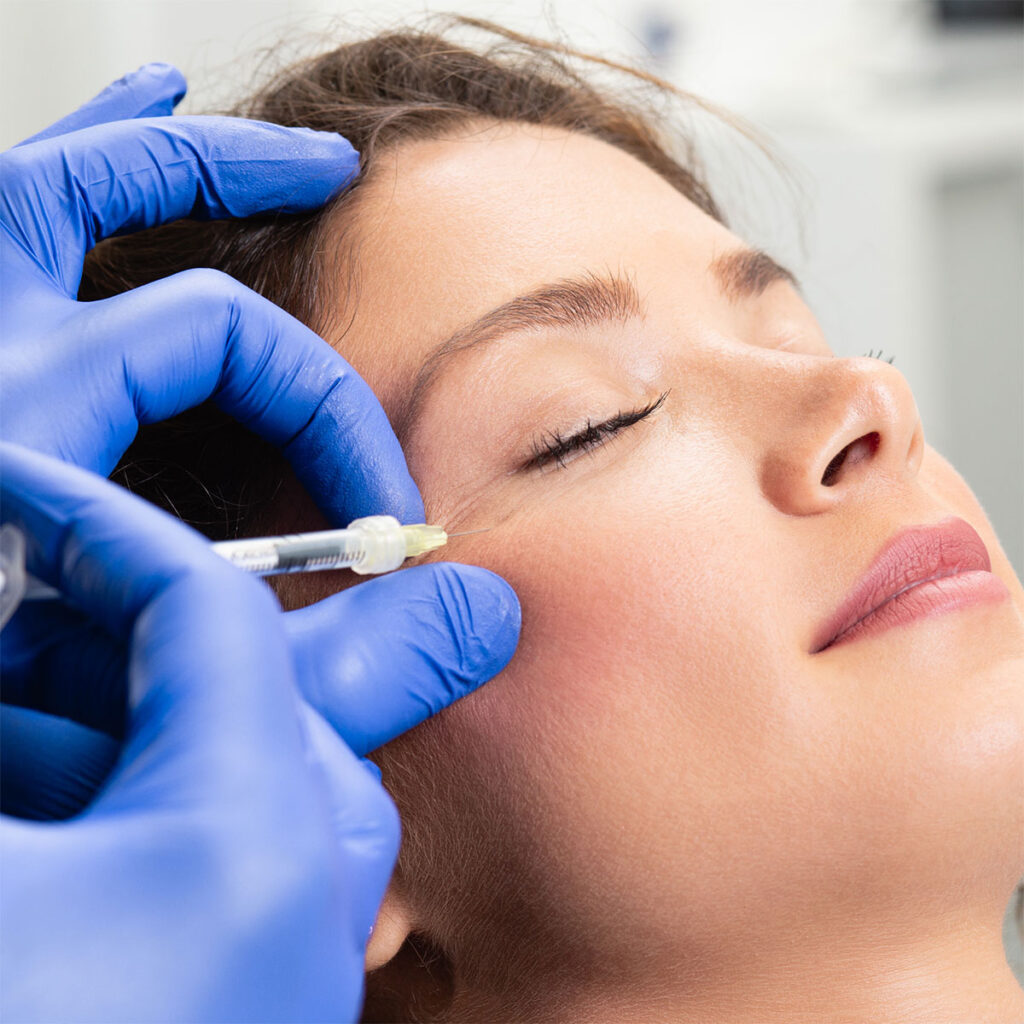
Facial expressions are a natural part of everyday communication, but repeated muscle movement can gradually contribute to the appearance of dynamic lines. Areas such as the forehead, between the eyebrows and around the eyes are commonly affected. For people considering a non-surgical approach to facial lines, Botox may be discussed as one possible treatment option.
Botox in London is planned according to each person’s facial characteristics rather than following a fixed injection pattern. Practitioners can assess muscle movement, facial proportions, existing lines and the patient’s treatment objectives before developing a personalised approach.
Modern aesthetic treatment focuses on understanding the individual face. A detailed consultation can help establish which areas may be suitable for treatment, how the muscles move and what type of outcome the patient would like to achieve.
Understanding the stages involved in personalised Botox planning can help patients approach their consultation with a clearer idea of what to expect.
What Is Botox?
Botox is a brand name associated with botulinum toxin type A. In aesthetic medicine, it is used to temporarily reduce the activity of selected muscles.
When facial muscles repeatedly contract, dynamic lines can become more noticeable. Botox works by reducing muscle activity in specifically selected areas, which can soften the appearance of expression-related lines.
The treatment is not identical for every person. Muscle strength, facial anatomy, expression patterns and individual objectives can all influence how a practitioner approaches treatment.
Why Personalised Botox Planning Matters
Every face has its own structure and movement patterns. Two people may have similar concerns about forehead lines, for example, but their forehead muscles may behave differently.
One person may have stronger movement in a particular area, while another may have a different eyebrow position or facial proportion.
For this reason, personalised planning is important. Rather than simply following standard injection points, practitioners can assess the individual’s face and develop a treatment approach around their specific characteristics.
The Initial Consultation
A consultation is the foundation of personalised Botox in London treatment planning.
During the appointment, the practitioner can ask what the patient would like to improve and which facial areas are causing concern. The patient may be interested in forehead lines, frown lines, lines around the eyes or several areas.
The practitioner can also discuss the patient’s expectations and explain what Botox is designed to address.
This conversation is followed by an assessment of facial movement and structure.
Discussing Your Treatment Goals
Understanding the patient’s goals is an important part of creating a treatment plan.
Some people may want to soften specific expression lines while maintaining a natural range of facial movement. Others may have a particular area that they would like to focus on.
Patients should explain their desired outcome as clearly as possible during consultation. This gives the practitioner useful information when considering which muscles may need to be addressed.
The final plan can then be based on both the patient’s objectives and the practitioner’s assessment.
Assessing Facial Movement
One of the main factors practitioners assess is how the face moves during different expressions.
The practitioner may ask the patient to raise their eyebrows, frown, smile or make other expressions. These movements allow the practitioner to observe which muscles are active and how strongly they contract.
The assessment can reveal differences between individuals that may not be obvious when the face is relaxed.
This information helps guide the selection of treatment areas and injection points.
Examining the Forehead
The forehead is a commonly considered area for Botox treatment.
During assessment, Botox Injections In London the practitioner may observe how the forehead muscles contract when the eyebrows are raised. They may also consider the position and movement of the eyebrows.
The relationship between the forehead and upper facial features can be important when developing a treatment plan.
Rather than automatically using the same number of injection points for every patient, the practitioner can adjust the approach according to individual muscle activity and facial anatomy.
Assessing Frown Lines
The area between the eyebrows can become more noticeable during expressions such as frowning or concentrating.
The practitioner may examine the muscles responsible for movement in this region and observe how they interact with surrounding facial structures.
The patient’s objectives are also considered. If this is one of the areas they would like to address, the practitioner can explain how Botox may be incorporated into the overall plan.
Considering Lines Around the Eyes
The muscles around the eyes are involved in expressions such as smiling and squinting. This can contribute to dynamic lines around the outer eye area.
If a patient is interested in addressing these lines, the practitioner can assess the movement around the eyes during the consultation.
The assessment helps determine whether this area is appropriate for treatment and how it fits into the broader facial treatment plan.
Assessing Facial Symmetry
Natural facial asymmetry is common. The two sides of the face may have slightly different muscle strength, movement patterns or structural characteristics.
A personalised Botox consultation can take these differences into account.
The practitioner may assess both sides of the face separately before deciding on injection points. This does not mean that every facial feature needs to be identical. Instead, understanding natural asymmetry allows the practitioner to plan treatment more precisely.
Considering Facial Proportions
The face should be considered as a whole when developing a Botox plan.
The forehead, eyebrows, eyes and other facial features are visually connected. Muscle movement in one region can influence the appearance of another.
For this reason, practitioners may assess facial proportions before deciding which areas should be treated.
This broader approach helps ensure that the proposed treatment is based on the individual’s overall facial structure rather than one isolated line.
Reviewing Previous Botox Treatments
Previous Botox treatments can provide useful information during a consultation.
The practitioner may ask whether the patient has had Botox before, which areas were treated and when the previous treatment took place.
Patients who have previously received Botox should provide accurate details about their treatment history.
This information can help the practitioner understand how the patient’s facial muscles have previously been treated and consider this when developing a new plan.
Reviewing Other Aesthetic Treatments
Patients may also have undergone other aesthetic treatments, such as dermal fillers or skin treatments.
These procedures can be relevant because they may affect the overall appearance and structure of the face.
The practitioner may therefore ask about previous treatments and consider them alongside the facial assessment.
Providing a complete treatment history allows the practitioner to develop a more informed plan.
Reviewing Relevant Medical Information
A consultation may also involve discussing relevant medical history.
The practitioner may ask about current medications, existing medical conditions, allergies and previous procedures.
Patients should provide accurate information and mention anything they believe may be relevant to their planned treatment.
This information forms part of the practitioner’s overall assessment before deciding whether Botox is suitable.
Determining Injection Points
Once the facial assessment has been completed, the practitioner can determine the areas where injections may be considered.
Injection points are selected according to muscle activity, facial anatomy and the patient’s treatment goals.
There is no single injection pattern that is appropriate for every person. The number and location of points can differ according to the individual.
The practitioner can explain the proposed injection areas before treatment begins.
Deciding the Appropriate Amount
The amount of Botox used is another part of personalised treatment planning.
Factors such as muscle strength, treatment area and the desired outcome may influence the amount selected.
A practitioner may therefore use different amounts in different facial areas or adjust the approach according to the individual patient’s muscle activity.
Patients can ask how the recommended amount has been determined during their consultation.
Understanding the Treatment Process
After the treatment plan has been agreed, the practitioner can explain what will happen during the procedure.
Botox is administered through small injections into selected muscles. The number of injection points depends on the treatment plan.
The practitioner can identify the areas being treated and explain the procedure before starting.
The appointment duration can vary depending on the number of areas included in the personalised plan.
Discussing Aftercare
Aftercare is another part of the treatment discussion.
The practitioner can provide instructions about caring for the treated areas following the appointment and explain any activity-related guidance that applies to the specific procedure.
Aftercare recommendations can vary depending on the areas treated and the clinic’s protocol.
Patients should follow the individual instructions provided by their practitioner.
Understanding the Treatment Timeline
Botox does not generally produce its full effect immediately. The changes develop over time as the treated muscles respond to the product.
The practitioner can explain the expected timeline during consultation and discuss when the patient may notice changes.
The duration of the effect can also vary between individuals and treatment areas.
Understanding this timeline can help patients plan appropriately around their treatment.
Follow-Up and Future Treatment
A practitioner may recommend a follow-up appointment depending on the treatment plan.
The purpose of a follow-up can be to review how the treated areas have responded and discuss whether any future treatment may be appropriate.
Botox treatments are temporary, so patients who choose to continue may discuss future appointments with their practitioner.
The timing of future treatments can vary according to individual response and treatment objectives.
Choosing the Best Botox Clinic London
Choosing a suitable clinic is an important part of the treatment process.
Patients may wish to consider the practitioner’s qualifications and experience, the consultation process and whether the clinic takes an individualised approach to treatment planning.
A Best Botox Clinic London should provide patients with an opportunity to discuss their concerns and understand why particular areas may be recommended.
At Bodyvie Clinic, patients can discuss their aesthetic objectives during a consultation and learn more about anti-wrinkle treatment options. The practitioner can assess facial movement and develop a treatment approach based on the individual’s facial characteristics and objectives.
Preparing for Your Botox Consultation
Patients can make their consultation more useful by thinking about which facial areas they would like to address.
It may be helpful to identify whether your main concern involves forehead lines, frown lines, lines around the eyes or another expression-related area.
You should also be prepared to discuss previous Botox or aesthetic treatments and provide accurate information about relevant medical history.
Writing down questions before the appointment can also help ensure that you understand the proposed treatment plan.
Why Personalised Treatment Planning Is Important
Botox treatment involves more than simply selecting a product and injecting it into predetermined areas.
Facial muscle strength, movement patterns, symmetry, facial proportions and personal objectives can all influence the treatment approach.
For Botox in London, a personalised consultation allows practitioners to assess these factors before deciding on an appropriate plan.
This individualised process can help patients understand which areas may be treated and why the proposed approach is suited to their particular facial characteristics.
Conclusion
Botox in London treatment begins with a personalised consultation that considers the individual’s facial movement, anatomy, muscle activity and aesthetic objectives.
Practitioners may assess the forehead, frown area and eye region while also considering facial symmetry, proportions and previous aesthetic treatments. Injection points and the amount of Botox can then be selected according to the patient’s individual characteristics.
For people considering treatment, choosing a suitable Best Botox Clinic London and attending a detailed consultation can provide an opportunity to understand the proposed approach before proceeding. Clear communication between patient and practitioner is an important part of creating a treatment plan that reflects individual goals.
FAQs
What is Botox in London?
Botox in London refers to aesthetic treatment using botulinum toxin type A to temporarily reduce the activity of selected facial muscles. It may be used to soften the appearance of dynamic expression lines.
How is Botox treatment personalised?
A practitioner assesses facial movement, muscle activity, facial proportions, symmetry, existing expression lines and the patient’s treatment goals before developing an individualised injection plan.
What happens during a Botox consultation?
The practitioner discusses your concerns and objectives, observes facial movement, assesses relevant facial areas, reviews previous treatments and medical information, and explains the proposed treatment plan.
Why does a practitioner ask me to make facial expressions?
Making expressions such as raising the eyebrows, frowning and smiling allows the practitioner to observe how different facial muscles move. This information can help determine suitable treatment areas.
Which areas are commonly treated with Botox?
Commonly considered areas include the forehead, the area between the eyebrows and the outer eye region. The appropriate areas depend on the patient’s facial anatomy and treatment objectives.
Does everyone receive the same amount of Botox?
No. The amount can vary depending on muscle strength, treatment area and individual goals. The practitioner determines the appropriate approach during the personalised assessment.
How are Botox injection points selected?
Injection points are selected according to the muscles being treated, facial anatomy, muscle activity and the patient’s desired outcome. The pattern can therefore vary between individuals.
Should I tell my practitioner about previous Botox treatment?
Yes. Information about previous Botox treatments, including the areas treated and timing, can help the practitioner understand your treatment history and plan appropriately.
Can other aesthetic treatments affect Botox planning?
Previous dermal fillers or other aesthetic procedures may be relevant to the overall facial assessment. Patients should provide accurate information about previous treatments during consultation.
How long does Botox in London take to work?
The effects develop gradually rather than appearing immediately. The practitioner can explain the expected timeline and when changes are generally noticeable during consultation.
How long does Botox treatment last?
The duration of visible effects varies between individuals and treatment areas. The practitioner can discuss the expected duration and possible timing of future treatments.
How do I choose the Best Botox Clinic London?
When looking for the Best Botox Clinic London, consider the practitioner’s qualifications and experience, the quality of the consultation process and whether treatment is planned according to individual facial anatomy.
What should I ask during my Botox consultation?
You can ask which areas are recommended, why they have been selected, how injection points are determined, how much product may be used, what the expected timeline is and what aftercare is required.
Is Botox suitable for everyone?
Suitability depends on individual circumstances, facial anatomy, treatment objectives and relevant medical information. A consultation with a qualified practitioner is necessary before deciding whether Botox is appropriate.