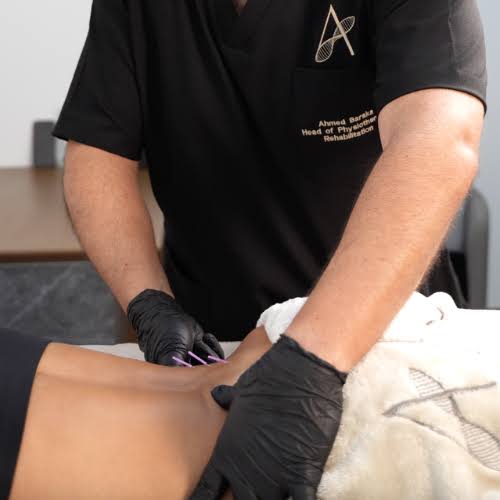
Back pain Treatment Dubai
Back pain is a common health concern that can affect people of almost any age. Long working hours, prolonged sitting, poor posture, physically demanding jobs, sports injuries, and lifestyle factors can all contribute to discomfort in the lower, middle, or upper back. For people living in the UAE, finding the right back pain treatment in Dubai can help address the underlying cause of pain and support a return to normal daily activities.
Back pain can range from a mild, temporary ache to persistent pain that interferes with sleep, work, exercise, or movement. While some cases improve with rest and simple lifestyle changes, ongoing or severe symptoms may require assessment by a qualified healthcare professional.
What Causes Back Pain?
Back pain can have many possible causes, and identifying the underlying problem is an important part of effective treatment. Common causes include muscle strain, ligament injuries, poor posture, and overuse.
Poor Posture and Prolonged Sitting
Spending many hours sitting at a desk or using a computer can place continuous stress on the muscles and joints of the back. Poor workstation setup, slouching, and inadequate back support may gradually contribute to stiffness and discomfort.
Muscle Strain
Lifting heavy objects, sudden movements, intense exercise, or performing repetitive physical activities can strain the muscles and soft tissues surrounding the spine. Muscle-related back pain may cause soreness, stiffness, and reduced mobility.
Herniated or Bulging Discs
The discs between the vertebrae act as cushions for the spine. When a disc becomes damaged or bulges, it may irritate nearby nerves. This can sometimes cause back pain accompanied by symptoms such as numbness, tingling, or pain extending into the leg.
Age-Related Changes
As people get older, changes in the spine can occur naturally. Conditions such as osteoarthritis and spinal degeneration may contribute to stiffness and discomfort.
Injuries and Sports Activities
Falls, road accidents, workplace injuries, and sports-related incidents can affect the muscles, joints, discs, or other structures of the spine. Depending on the injury, medical assessment may be necessary.
Common Symptoms of Back Pain
Back pain does not feel the same for everyone. Symptoms may include:
- Aching or dull pain in the back
- Sharp or shooting pain
- Muscle stiffness or tightness
- Difficulty bending or turning
- Pain that becomes worse after sitting or standing for long periods
- Pain radiating into the buttocks or legs
- Tingling or numbness in the legs
- Reduced mobility
Persistent symptoms should not simply be ignored, particularly if they are becoming more frequent or affecting everyday activities.
How Is Back Pain Diagnosed?
Before recommending a treatment plan, a healthcare professional may assess your symptoms, medical history, posture, mobility, and physical condition. The evaluation can help determine whether the pain is related to muscles, joints, discs, nerves, or another underlying issue.
Depending on the symptoms and clinical findings, additional investigations may sometimes be recommended. These can include X-rays, magnetic resonance imaging (MRI), or other diagnostic tests.
The appropriate evaluation depends on the individual. Imaging is not necessarily required for every person with back pain.
Back Pain Treatment Options in Dubai
The best back pain treatment in Dubai depends on the cause, severity, duration, and overall health of the individual. Treatment may involve one approach or a combination of therapies.
Physiotherapy
Physiotherapy is commonly used to help people manage back pain and improve movement. A physiotherapist may create an individualized program involving stretching, strengthening exercises, mobility work, posture education, and other techniques.
The goal is often not only to reduce current discomfort but also to improve strength and movement patterns that may reduce the risk of recurring problems.
Exercise and Rehabilitation
Appropriate physical activity can play an important role in back health. Depending on the condition, a rehabilitation program may focus on strengthening the core, improving flexibility, increasing mobility, and gradually returning to normal activities.
Exercises should be selected according to the person’s condition. Performing inappropriate exercises during an acute injury may potentially make symptoms worse.
Medication
A healthcare professional may recommend medication for short-term symptom management when appropriate. Depending on the cause and the patient’s medical history, different types of pain-relieving or anti-inflammatory medicines may be considered.
Medication should be taken according to professional advice, particularly for people with existing medical conditions or those taking other medicines.
Manual Therapy
Some patients may benefit from hands-on techniques provided by a trained healthcare professional. Manual therapy may be used alongside exercise and rehabilitation to improve mobility and reduce musculoskeletal discomfort.
Heat or Cold Therapy
Heat can sometimes help relax tight muscles and reduce stiffness, while cold therapy may be useful following certain acute injuries. The appropriate approach depends on the type and timing of the problem.
Lifestyle and Ergonomic Changes
Treatment does not always end when pain improves. Adjusting daily habits can be important for long-term back health.
For people who work at a desk, useful measures may include adjusting chair height, keeping the computer screen at an appropriate level, supporting the lower back, and taking regular movement breaks.
Maintaining a healthy weight, staying physically active, using proper lifting techniques, and avoiding prolonged periods in one position may also support spinal health.
When Should You See a Doctor for Back Pain?
Not every episode of back pain requires urgent medical attention. However, professional assessment is advisable when pain is persistent, recurrent, severe, or interfering with normal activities.
You should seek urgent medical attention if back pain occurs with warning signs such as:
- Significant weakness or numbness in the legs
- Loss of bladder or bowel control
- Numbness around the groin or inner thighs
- Severe pain following a significant accident
- Fever accompanied by severe back pain
- Unexplained weight loss or other concerning symptoms
These symptoms can occasionally indicate a more serious condition and should be assessed promptly.
Choosing a Back Pain Specialist in Dubai
Dubai offers access to a wide range of healthcare professionals and rehabilitation services. When looking for back pain treatment in Dubai, consider choosing a licensed healthcare provider with experience in diagnosing and treating musculoskeletal and spinal conditions.
It can be helpful to ask about the provider’s experience with your specific symptoms, the diagnostic process, available treatment options, and whether rehabilitation or physiotherapy is included in the overall treatment plan.
A good treatment approach should be personalized rather than based on a one-size-fits-all solution.
Preventing Back Pain
Although not all back problems can be prevented, several habits may help maintain a healthier back.
Regular exercise can strengthen the muscles that support the spine. Combining strength training with mobility and flexibility exercises can help maintain physical function.
People who sit for long periods should take regular movement breaks instead of remaining in the same position for hours. When lifting objects, bending the knees and keeping the load close to the body can reduce unnecessary strain.
Good sleep habits, maintaining a healthy body weight, and avoiding sudden increases in physical activity can also support overall musculoskeletal health.
Conclusion
Back pain can result from many different causes, ranging from muscle strain and poor posture to disc problems and age-related spinal changes. Because the underlying cause varies from person to person, the most suitable back pain treatment in Dubai should be based on an appropriate assessment rather than simply treating the symptoms.
Physiotherapy, exercise-based rehabilitation, medication, manual therapy, ergonomic improvements, and lifestyle changes may all have a role depending on the individual’s condition. If back pain persists, becomes severe, or is accompanied by neurological or other concerning symptoms, consulting a qualified healthcare professional is important.
With appropriate assessment and a personalized treatment plan, many people with back pain can improve their mobility, manage their symptoms, and return to their usual activities.