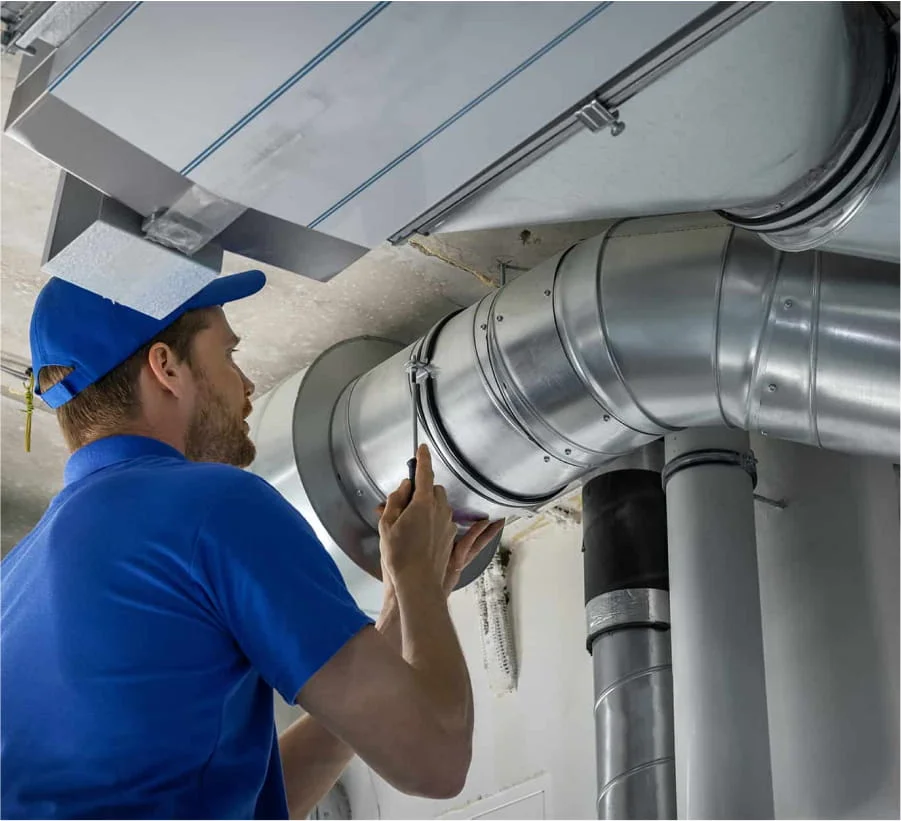
A comfortable indoor environment depends on more than just having an air conditioner. The ductwork connected to your cooling system plays a major role in delivering conditioned air efficiently throughout your property. When air conditioning ducts become damaged, outdated, or poorly insulated, they can reduce system performance, increase energy costs, and affect indoor comfort.
This is why professional air conditioning duct replacement is an important solution for homeowners and businesses experiencing cooling problems.
Air conditioning ducts are responsible for transporting cooled air from the air conditioning unit to different rooms. Over time, ducts can develop leaks, cracks, insulation damage, or airflow restrictions. These issues can prevent your system from operating efficiently and may cause uneven temperatures throughout your property.
Replacing damaged ductwork can improve airflow, enhance energy efficiency, and create a more comfortable indoor environment. Whether you are upgrading an older cooling system, renovating a property, or dealing with recurring duct problems, understanding when and why duct replacement is needed can help you make better decisions.
This guide explains the importance of air conditioning duct replacement, common signs of duct damage, benefits, replacement process, costs, and how to choose the right professional service.
What Is Air Conditioning Duct Replacement?
Air conditioning duct replacement is the process of removing old, damaged, or inefficient ductwork and installing new ducts designed to improve air distribution.
Duct systems are an essential part of heating and cooling systems because they transport conditioned air throughout a building.
A complete duct replacement may involve:
- Removing damaged duct sections
- Inspecting existing duct layouts
- Installing new duct materials
- Improving insulation
- Sealing connections
- Testing airflow performance
The goal is to restore efficient airflow and ensure that your air conditioning system operates effectively.
Why Air Conditioning Duct Replacement Is Important
Many homeowners focus on the air conditioning unit itself but overlook the condition of the duct system.
Even a high-quality air conditioner may perform poorly if the ductwork is damaged.
Professional air conditioning duct replacement can help improve:
- Cooling efficiency
- Indoor comfort
- Air quality
- Energy consumption
- System performance
Damaged ducts can waste cooled air before it reaches your rooms, forcing your air conditioner to work harder.
Signs You Need Air Conditioning Duct Replacement
Knowing when duct replacement is necessary can help prevent expensive energy losses and comfort problems.
Uneven Cooling Throughout Your Property
One of the most common signs of duct problems is uneven temperatures between rooms.
You may notice:
- Some rooms feel too warm
- Certain areas receive weak airflow
- Cooling is inconsistent
This may happen because damaged ducts are not distributing air properly.
Rising Energy Bills
Damaged ductwork can cause your air conditioning system to operate longer than necessary.
Air leaks allow cooled air to escape, increasing energy usage.
If your energy bills continue rising without major changes in usage, damaged ducts may be contributing to the problem.
Weak Airflow From Vents
Low airflow from vents can indicate:
- Blocked ducts
- Leaking duct connections
- Damaged duct sections
- Poor system design
Replacing damaged ducts can restore proper airflow.
Visible Duct Damage
In some cases, duct problems are visible.
Signs may include:
- Cracks
- Tears
- Broken connections
- Damaged insulation
- Sagging flexible ducts
Visible damage often indicates that replacement may be required.
Excessive Dust and Poor Air Quality
Damaged ducts can allow dust, debris, and contaminants to enter the airflow system.
This can contribute to:
- Increased indoor dust
- Unpleasant smells
- Reduced air quality
New duct installation can improve airflow cleanliness when combined with proper maintenance.
Strange Noises From Ductwork
Unusual sounds from ducts may indicate problems such as:
- Loose connections
- Damaged sections
- Air leaks
- Poor installation
Professional inspection can determine whether repairs or replacement are needed.
Benefits of Air Conditioning Duct Replacement
Replacing old ductwork provides several advantages for homes and commercial properties.
Improved Energy Efficiency
One of the biggest benefits of duct replacement is improved efficiency.
New ducts with proper sealing and insulation reduce air loss, allowing your air conditioning system to deliver cooled air more effectively.
This can help reduce unnecessary energy consumption.
Better Indoor Comfort
Efficient ductwork helps maintain consistent temperatures throughout your property.
You can experience:
- Better airflow
- More balanced cooling
- Improved comfort in every room
Reduced Air Conditioning Costs
When your system works efficiently, it does not need to operate as hard to maintain temperatures.
This can help lower:
- Cooling expenses
- Maintenance costs
- System strain
Improved Indoor Air Quality
New duct systems reduce the chance of dust and contaminants entering your airflow.
Combined with regular filter replacement, new ducts can support a cleaner indoor environment.
Longer Air Conditioning System Life
Damaged ducts force air conditioning systems to work harder.
Replacing ductwork reduces system stress and may help extend equipment lifespan.
Better System Performance
A properly designed duct system allows your air conditioner to perform closer to its intended capacity.
This improves:
- Cooling speed
- Air distribution
- Overall reliability
Common Causes of Air Conditioning Duct Damage
Several factors can affect duct performance over time.
Age and Wear
Older duct systems may deteriorate due to years of use.
Common issues include:
- Material breakdown
- Loose connections
- Insulation damage
Poor Installation
Incorrect duct installation can create long-term problems.
Issues may include:
- Incorrect sizing
- Poor sealing
- Restricted airflow
- Improper placement
Physical Damage
Ducts can become damaged during:
- Renovations
- Building work
- Maintenance activities
Even small cracks can affect efficiency.
Moisture Problems
Moisture exposure can damage duct materials and insulation.
This may occur due to:
- Condensation
- Roof leaks
- Poor ventilation
How Air Conditioning Duct Replacement Works
A professional duct replacement process involves several steps.
Step 1: Duct Inspection
The technician first evaluates the existing duct system.
Inspection may include:
- Checking airflow
- Identifying leaks
- Examining insulation
- Assessing duct condition
This helps determine whether replacement is necessary.
Step 2: System Assessment and Planning
The professional evaluates:
- Property layout
- Cooling requirements
- Existing duct design
- Air conditioning capacity
A suitable replacement plan is created based on these factors.
Step 3: Removing Old Ductwork
Damaged or inefficient ducts are carefully removed.
Technicians ensure that surrounding systems and structures are protected during removal.
Step 4: Installing New Ducts
New ductwork is installed according to the required design.
This includes:
- Proper connections
- Correct sizing
- Secure fittings
- Adequate insulation
Step 5: Testing and Final Inspection
After installation, the system is tested to ensure:
- Proper airflow
- Effective cooling distribution
- Secure duct connections
Types of Air Conditioning Ducts
Different properties may require different duct materials.
Flexible Ducts
Flexible ducts are lightweight and commonly used in residential systems.
Advantages include:
- Easy installation
- Flexible design
- Cost efficiency
However, they require proper installation to prevent airflow restrictions.
Sheet Metal Ducts
Sheet metal ducts are durable and long-lasting.
They are commonly used in:
- Commercial buildings
- Large properties
- High-performance systems
Insulated Ducts
Insulated ducts help prevent energy loss.
They are useful in areas where temperature control is important.
Air Conditioning Duct Replacement for Homes
Residential properties often experience duct problems due to ageing systems, renovations, or poor installation.
Homeowners may consider duct replacement when:
- Cooling performance decreases
- Energy costs increase
- Rooms feel unevenly cooled
- The duct system is old
New ductwork can improve comfort and efficiency throughout the home.
Air Conditioning Duct Replacement for Commercial Properties
Businesses rely on efficient cooling systems to maintain comfortable environments.
Commercial duct replacement may be required in:
- Offices
- Retail spaces
- Warehouses
- Restaurants
- Industrial buildings
Benefits include:
- Better temperature control
- Improved employee comfort
- Lower operating costs
- More efficient HVAC performance
How Much Does Air Conditioning Duct Replacement Cost?
The cost of air conditioning duct replacement depends on several factors.
Pricing may vary based on:
- Property size
- Number of ducts required
- Duct material
- Installation complexity
- Accessibility
- Existing system design
A small residential replacement project may cost less than a large commercial installation.
A professional assessment provides a more accurate estimate based on your specific requirements.
Repair vs Air Conditioning Duct Replacement
Some duct problems can be repaired, while others require complete replacement.
Duct repair may be suitable for:
- Small leaks
- Minor damage
- Limited problem areas
Replacement may be better when:
- Ducts are old
- Damage is widespread
- Insulation has failed
- Efficiency problems continue
A professional technician can determine the most practical solution.
Choosing the Right Air Conditioning Duct Replacement Service
Selecting an experienced contractor is important for achieving good results.
Consider these factors:
Experience and Qualifications
Choose a service provider with experience in duct installation and HVAC systems.
Experienced professionals understand:
- Airflow requirements
- Duct design
- Installation standards
Quality Materials
A reliable contractor should use durable duct materials suitable for your property.
Quality materials improve:
- Performance
- Efficiency
- Longevity
Proper Assessment
Avoid providers who recommend replacement without inspection.
A detailed assessment helps ensure the correct solution.
Clear Pricing
A professional company should provide transparent information about:
- Labour costs
- Materials
- Project timeline
- Included services
Maintenance After Duct Replacement
Proper maintenance helps protect your investment.
Important steps include:
- Changing air filters regularly
- Scheduling HVAC inspections
- Keeping vents clean
- Checking airflow performance
Regular maintenance improves system efficiency and helps identify issues early.
Final Thoughts
Professional air conditioning duct replacement can significantly improve cooling performance, energy efficiency, and indoor comfort.
Damaged or outdated ducts can reduce the effectiveness of your air conditioning system and increase operating costs. Replacing them with properly designed and installed ductwork helps restore efficient airflow and creates a more comfortable environment.
Whether you are upgrading a residential cooling system or improving a commercial HVAC setup, investing in quality duct replacement can provide long-term benefits.
A professional assessment is the best way to determine whether your existing ducts need repair or complete replacement. With the right solution, your air conditioning system can operate more efficiently and deliver consistent comfort throughout your property.
FAQs About Air Conditioning Duct Replacement
1. What is air conditioning duct replacement?
Air conditioning duct replacement involves removing old or damaged ductwork and installing new ducts to improve airflow and cooling efficiency.
2. How do I know if my air conditioning ducts need replacement?
Common signs include uneven cooling, weak airflow, rising energy bills, visible duct damage, and poor indoor air quality.
3. How long do air conditioning ducts last?
The lifespan of ductwork depends on materials, installation quality, and maintenance. Older systems may require replacement due to wear and damage.
4. Can damaged ducts increase energy bills?
Yes. Leaking or poorly insulated ducts can allow cooled air to escape, causing your system to work harder.
5. How long does duct replacement take?
The installation time depends on property size, system complexity, and the amount of ductwork being replaced.
6. Is duct replacement better than duct repair?
It depends on the condition of the ducts. Minor issues may be repaired, while older or severely damaged systems often benefit from replacement.
7. Does new ductwork improve air quality?
Yes. Properly installed ducts can reduce dust leaks and improve overall airflow quality.
8. How much does air conditioning duct replacement cost?
Costs vary depending on duct size, materials, property layout, and installation requirements.
9. Can duct replacement improve cooling performance?
Yes. New, properly sealed ducts improve airflow distribution and help your air conditioner operate more efficiently.
10. How often should air conditioning ducts be inspected?
Regular inspections help identify problems early. Many professionals recommend checking duct systems during routine HVAC maintenance.