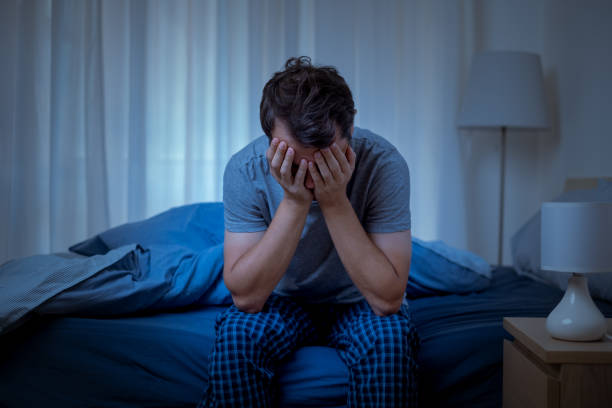
Low energy can make ordinary routines feel unusually demanding. A person may struggle to concentrate, feel less motivated, or find that rest does not restore their usual sense of vitality. TRT in Abu Dhabi may be relevant for adults whose persistent fatigue is associated with clinically confirmed low testosterone, but tiredness alone does not establish that testosterone is the cause.
Testosterone supports several processes in the body, including sexual function, muscle maintenance, bone health, and the development of certain blood cells. When levels are consistently below the expected range and symptoms are present, a qualified healthcare professional may assess whether treatment is appropriate. The aim is not to chase a particular number or promise an energy boost; it is to address a diagnosed hormone deficiency and monitor the person’s overall health.
How Low Testosterone May Affect Energy
Low testosterone can be associated with reduced energy, lower motivation, changes in mood, reduced sexual interest, and difficulty maintaining muscle. Some people also notice reduced strength or changes in body composition. These symptoms can develop gradually, so they may be mistaken for ordinary stress or ageing.
However, fatigue has many possible explanations. Sleep disruption, emotional strain, changes in activity, nutrition, and other health conditions can all affect how energetic someone feels. A person may also experience several causes at once. That is why a careful assessment matters before considering hormone treatment.
What TRT Involves
Testosterone replacement therapy, often called TRT, is a prescribed treatment intended for people with confirmed testosterone deficiency. A healthcare professional reviews symptoms, medical history, and appropriate laboratory results before discussing whether treatment may be suitable. Testing may be repeated when needed, since hormone levels can vary and one result may not give the full picture.
If treatment is considered, the professional explains the available approach, expected goals, monitoring schedule, and how progress will be evaluated. The plan is individual rather than one-size-fits-all. It may be adjusted according to follow-up findings and the person’s response.
TRT should not be used solely as a general energy enhancer or as a substitute for identifying the reason behind persistent tiredness. Treatment decisions require professional guidance, and prescribed therapy should be followed as directed.
Could TRT Improve Daily Fatigue?
For someone whose fatigue is genuinely linked to low testosterone, appropriate TRT may improve some related symptoms over time. They may notice better motivation, sexual wellbeing, or ability to maintain strength, depending on their individual circumstances. Energy changes are not guaranteed, and improvement may be gradual rather than immediate.
A person whose testosterone levels are within an appropriate range may not benefit from TRT. In that situation, another explanation for fatigue may need attention. A healthcare professional can help distinguish hormone-related symptoms from concerns connected to sleep, stress, mood, or other aspects of health.
Progress is best judged through regular conversations and follow-up assessments, not by relying on a single day’s energy level. The person and healthcare professional can review whether the original symptoms are changing and whether the treatment plan remains appropriate.
Assessment Before Treatment
A thoughtful assessment helps clarify whether TRT is worth considering. The healthcare professional may ask when fatigue began, how it affects daily activities, and whether other symptoms are present. They may also review sleep patterns, general health, current medicines, and personal goals.
Laboratory testing can help determine whether testosterone is consistently low. Depending on the person’s history and symptoms, additional evaluation may be appropriate to explore other possible causes. The purpose is to understand the full picture rather than assuming that one symptom points to one diagnosis.
A person can prepare for an appointment by noting changes in energy, concentration, mood, sleep, and physical function. Sharing when symptoms occur and what makes them better or worse may make the discussion more useful.
Supporting Energy Alongside Medical Care
TRT, when prescribed, is only one part of a person’s broader health plan. Everyday habits can also influence how rested and capable someone feels. A consistent sleep routine, regular movement suited to personal ability, balanced meals, and manageable daily schedules may support general wellbeing.
These steps do not replace an assessment or treatment for confirmed hormone deficiency. They can, however, help a person and healthcare professional consider factors that may be contributing to fatigue. It is also helpful to set realistic expectations: energy can be affected by many parts of life, and changes may take time.
Follow-Up and Ongoing Monitoring
Follow-up allows the healthcare professional to review symptoms, test results, and the person’s experience with treatment. The plan may be continued, adjusted, or reconsidered based on this information. Regular communication is especially useful if fatigue remains unchanged or new concerns arise.
A person should discuss questions openly rather than changing a prescribed plan independently. Clear goals—such as improved ability to complete daily tasks or better concentration—can make progress easier to describe. Monitoring also helps ensure that treatment continues to match the person’s needs.
Frequently Asked Questions
Is fatigue enough to indicate low testosterone?
No. Fatigue is a common symptom with many possible causes. A professional assessment and appropriate testing are needed to determine whether low testosterone is present and relevant.
How soon might energy improve with TRT?
There is no single timeline that applies to everyone. Some symptoms may change gradually, while energy may remain affected by other factors. Follow-up helps assess progress realistically.
Can TRT help someone whose testosterone is not low?
TRT is intended for people with a confirmed deficiency, not as a general treatment for tiredness. A healthcare professional can help investigate other explanations when test results do not show low testosterone.
What should someone discuss before starting TRT?
They can ask how the diagnosis was established, what goals are realistic, how progress will be monitored, and what other causes of fatigue may need consideration. These questions support an informed, individual decision.
A Balanced Approach to Energy
TRT in Abu Dhabi may help improve fatigue for some people when persistent symptoms are connected to confirmed low testosterone. It is not a guaranteed solution, and tiredness by itself is not enough to determine whether treatment is suitable. A careful assessment, realistic expectations, and ongoing professional follow-up help ensure that decisions focus on the person’s health and daily wellbeing.