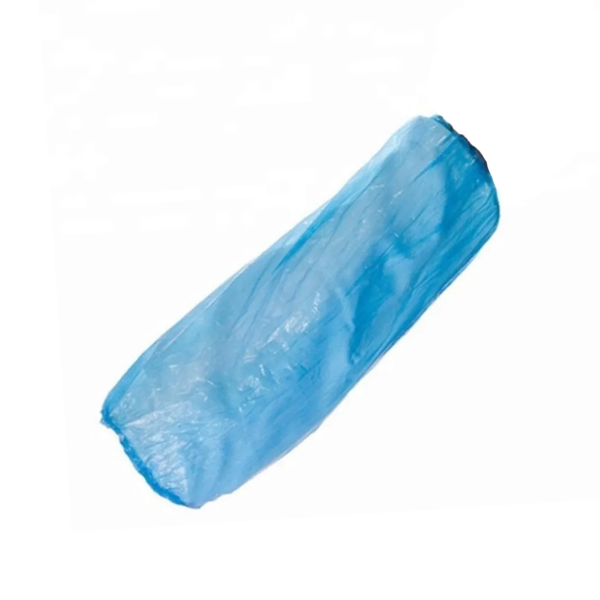
Disposable sleeve covers
Shoe covers disposable are practical protective accessories used to reduce the transfer of dirt, dust, moisture, and other contaminants between different environments. From hospitals and laboratories to construction sites, food processing facilities, cleaning businesses, and residential properties, disposable shoe covers help maintain cleaner floors and support workplace hygiene procedures.
Footwear can carry dust, mud, debris, and microorganisms from one location to another. In environments where cleanliness is important, covering shoes before entering designated areas can help reduce contamination risks.
Disposable shoe covers are designed to fit over existing footwear, providing a temporary protective layer without requiring users to remove their shoes. They are generally lightweight, easy to wear, and convenient to discard after use.
However, not all shoe covers offer the same protection. Material quality, slip resistance, liquid resistance, sizing, and intended application can affect their performance.
Whether you manage a healthcare facility, operate a cleaning company, supervise construction work, or need protective footwear covers for visitors, understanding the features of shoe covers disposable products can help you choose the right option.
What Are Shoe Covers Disposable?
Disposable shoe covers are single-use protective coverings designed to fit over ordinary footwear.
They are commonly manufactured from lightweight materials such as polypropylene, polyethylene, or non-woven fabrics.
Most designs feature an elastic opening that helps hold the cover securely around the shoe.
The main purpose of disposable shoe covers is to create a temporary barrier between footwear and the surrounding environment.
Depending on their material and construction, they may help prevent dirt from transferring onto clean floors or protect shoes from certain types of dust and minor splashes.
Disposable shoe covers are widely used in facilities where maintaining clean surfaces is important.
They are also useful for contractors, cleaners, and visitors entering properties where outdoor footwear could damage or dirty flooring.
Different products are designed for different conditions, so buyers should review material specifications before purchasing.
The growing demand for shoe covers disposable products reflects their convenience and usefulness across commercial, industrial, and residential settings.
Why Are Disposable Shoe Covers Important?
Footwear regularly comes into contact with outdoor surfaces, workplace floors, and other areas that may contain dirt or contaminants.
When people move between environments, substances attached to their shoes can be transferred to other surfaces.
Disposable shoe covers provide an additional barrier that may reduce this transfer.
Maintaining Cleaner Floors
Shoe covers help prevent ordinary dirt, dust, and mud from being tracked onto indoor flooring.
This is particularly useful in newly cleaned rooms, residential properties, and commercial facilities.
Supporting Hygiene Procedures
In selected healthcare, laboratory, and controlled environments, shoe covers may form part of broader contamination-control procedures.
Their use should follow the facility’s specific requirements.
Protecting Sensitive Areas
Certain manufacturing and inspection environments require additional precautions to limit the introduction of particles.
Suitable shoe covers may help support these procedures.
Improving Professional Presentation
Contractors and service providers who use shoe covers can demonstrate consideration for customers’ properties.
Convenient Temporary Protection
Disposable designs are easy to distribute and remove after completing a task.
These advantages make shoe covers disposable a useful accessory for businesses that need practical floor protection and contamination-control measures.
Different Types of Shoe Covers Disposable
Disposable shoe covers are available in several materials and designs.
Choosing the correct type depends on the environment and required level of protection.
Non-Woven Polypropylene Shoe Covers
Non-woven polypropylene covers are commonly used for general indoor applications.
They are lightweight, breathable, and often economical.
These products may be suitable for visitors, contractors, and facilities requiring basic dust and dirt control.
However, ordinary non-woven covers are not necessarily waterproof.
Polyethylene Shoe Covers
Polyethylene shoe covers are manufactured from plastic film.
They can provide resistance to certain liquids and moisture, depending on their construction.
They are commonly used in selected cleaning and industrial environments.
CPE Shoe Covers
Chlorinated polyethylene, commonly called CPE, is used to manufacture certain disposable shoe covers.
CPE products are often designed for applications requiring a more water-resistant covering.
Anti-Slip Shoe Covers
Anti-slip shoe covers feature textured surfaces or specially designed soles intended to improve grip.
Their performance depends on the flooring and environmental conditions.
Heavy-Duty Disposable Shoe Covers
Heavy-duty products may feature thicker materials or reinforced construction.
They are often selected for demanding environments where ordinary lightweight covers may tear.
Disposable Boot Covers
Boot covers extend further up the leg than standard shoe covers.
They may be used in selected industrial, laboratory, or controlled environments.
A reliable supplier of shoe covers disposable products should provide clear information about material composition, sizing, and intended use.
Key Benefits of Using Shoe Covers Disposable
Disposable shoe covers offer several practical advantages for workplaces and visitors.
One of their main benefits is convenience.
Users can place them over existing footwear without changing shoes, making them suitable for temporary access to designated areas.
Additional benefits include:
- Floor protection: Helps reduce dirt and debris transferred from footwear.
- Convenient application: Easy to put on and remove.
- Lightweight construction: Comfortable for many short-duration tasks.
- Single-use design: Allows used covers to be discarded after the relevant activity.
- Multiple material options: Available in non-woven, plastic, and specialised designs.
- Flexible sizing: Elastic openings accommodate various footwear styles.
- Cost-effective supply: Often available in economical bulk quantities.
- Professional appearance: Useful for service providers entering customer properties.
These benefits make shoe covers disposable suitable for many businesses.
However, disposable shoe covers should not be considered a replacement for appropriate safety footwear or other required personal protective equipment.
Common Uses of Shoe Covers Disposable in Different Industries
Disposable shoe covers are used in various environments where floor protection or contamination control is important.
Healthcare Facilities
Hospitals, clinics, and certain medical areas may use shoe covers according to specific infection prevention procedures.
They are not universally required in all healthcare settings.
Laboratories
Some laboratories use shoe covers to help reduce the introduction of particles or contaminants into designated work areas.
Food Processing Facilities
Certain food production environments may require protective footwear or shoe covers as part of hygiene procedures.
The correct footwear requirements depend on the facility’s risk assessment.
Construction and Renovation
Contractors may wear disposable shoe covers when entering completed rooms or customer properties.
They can help prevent ordinary construction dust and dirt from being transferred onto clean floors.
Cleaning Services
Professional cleaners may use shoe covers when moving between different areas or protecting recently cleaned surfaces.
Real Estate and Property Inspections
Property agents, inspectors, and visitors may use shoe covers to protect carpets and flooring during inspections.
Electronics Manufacturing
Some controlled manufacturing environments use specialised shoe covers as part of contamination-control systems.
The versatility of shoe covers disposable products makes them useful across both professional and residential applications.
Shoe Covers Disposable for Hospitals and Healthcare Facilities
Healthcare facilities require carefully managed hygiene and infection prevention procedures.
In certain clinical environments, disposable shoe covers may be used as part of a broader protective equipment system.
However, routine shoe cover use is not recommended for every healthcare activity.
The need for shoe covers depends on the procedure, expected exposure, and facility-specific infection control policies.
For example, some specialised procedures may require footwear protection against splashes or contamination.
Healthcare facilities should select products that meet the relevant protective requirements.
Ordinary lightweight shoe covers may not provide adequate liquid resistance or protection against hazardous substances.
Staff should also be trained in correct application and removal procedures.
Removing contaminated shoe covers incorrectly may transfer contaminants to hands or surrounding surfaces.
Hand hygiene remains important after handling used protective equipment.
When selected appropriately, shoe covers disposable products can support designated healthcare protection procedures without replacing other essential infection prevention measures.
Disposable Shoe Covers for Construction and Renovation
Construction workers, painters, electricians, plumbers, and maintenance professionals often enter residential or commercial properties during service visits.
Outdoor footwear may carry mud, dust, paint residue, or construction debris.
Disposable shoe covers can help reduce the transfer of ordinary dirt onto finished floors.
For example, a technician visiting a customer’s home may need to move between an outdoor work area and an indoor living space.
Wearing shoe covers before entering clean areas can help protect carpets, tiles, and other flooring surfaces.
However, disposable shoe covers are not appropriate for every construction activity.
Loose or unsuitable covers may create slipping or tripping hazards.
They should never compromise the performance of required safety footwear.
Workers operating on ladders, uneven surfaces, or hazardous construction areas should follow workplace safety procedures and use suitable footwear.
For appropriate indoor tasks, shoe covers disposable products can help contractors maintain a cleaner working environment and demonstrate respect for customer property.
Why Cleaning Companies Use Shoe Covers Disposable
Cleaning businesses frequently work in offices, residential properties, hotels, and commercial facilities.
Maintaining clean floors is an important part of delivering professional cleaning services.
Disposable shoe covers can help prevent workers from tracking dirt into areas that have already been cleaned.
They may also be useful when employees move between outdoor and indoor environments.
For example, a cleaner entering a freshly serviced room may use suitable shoe covers to reduce the transfer of debris from their footwear.
However, shoe covers must be compatible with the flooring.
Some lightweight plastic covers can become slippery on wet tiles or polished surfaces.
Cleaning businesses should therefore select products with appropriate slip-resistant features when needed.
Workers should also replace covers when they become damaged or contaminated.
Using shoe covers disposable products correctly can help cleaning companies maintain professional standards and reduce unnecessary floor contamination.
Shoe Covers Disposable for Food Processing and Hospitality
Food processing facilities often establish strict hygiene procedures to reduce contamination risks.
Footwear can carry dirt and other contaminants into production areas.
Depending on the facility’s risk assessment, disposable shoe covers may be used alongside dedicated footwear, footwear cleaning systems, or other hygiene controls.
However, shoe covers alone do not guarantee food safety.
Food businesses must follow applicable hygiene requirements and ensure that protective footwear is suitable for the working environment.
In wet production areas, slip resistance is particularly important.
Ordinary disposable shoe covers may not provide sufficient grip or durability.
Some hospitality businesses may also use shoe covers during maintenance, inspections, or cleaning activities.
For example, a hotel maintenance worker may use suitable covers when entering a guestroom after completing outdoor work.
Businesses purchasing shoe covers disposable products should consider floor conditions, material quality, hygiene procedures, and employee safety.
How to Choose the Best Shoe Covers Disposable
Selecting disposable shoe covers requires consideration of several practical factors.
Material Quality
Non-woven polypropylene may be suitable for general dust control, while certain plastic materials provide greater resistance to moisture.
Slip Resistance
Choose covers with suitable grip characteristics for the flooring.
This is especially important on smooth or potentially slippery surfaces.
Size and Fit
Covers should fit securely over the footwear without excessive looseness.
Elastic Strength
A well-designed elastic opening helps keep the cover in place during normal movement.
Durability
Products should withstand the intended activity without tearing prematurely.
Liquid Resistance
If protection against splashes is required, verify the product’s tested performance.
Intended Application
Healthcare, food processing, cleanroom, and industrial applications may have different requirements.
Supplier Reliability
Choose suppliers that provide accurate specifications and consistent product quality.
The best shoe covers disposable product is one that matches the working environment rather than simply offering the lowest price.
Non-Slip Disposable Shoe Covers: Why Grip Matters
Slip resistance is one of the most important considerations when selecting disposable footwear covers.
Some materials may reduce traction on smooth surfaces.
This can be particularly concerning in environments with polished tiles, wet floors, or frequent movement.
Anti-slip shoe covers are designed with textured surfaces or specialised grip features.
However, not every product marketed as non-slip performs equally well.
Actual performance depends on the cover material, floor surface, moisture conditions, and footwear underneath.
Businesses should review manufacturer information and assess products under realistic working conditions.
For example, a shoe cover suitable for dry carpet may not provide adequate traction on wet ceramic tiles.
Workers should also avoid using damaged or loose-fitting covers.
A properly selected shoe covers disposable product should provide appropriate floor protection without introducing unnecessary slipping risks.
Disposable Shoe Covers vs Reusable Shoe Covers
Disposable and reusable shoe covers serve similar purposes but differ in construction, maintenance, and operating costs.
Disposable Shoe Covers
Disposable covers are designed for single use.
They are convenient for visitors, temporary workers, and environments where frequent replacement is required.
They also eliminate the need for laundering.
However, they generate waste after use.
Reusable Shoe Covers
Reusable covers are generally manufactured from more durable materials.
They may be suitable for businesses that require frequent footwear protection and have appropriate cleaning procedures.
However, reusable covers must be cleaned and inspected between uses when hygiene requirements demand it.
The better option depends on the application, contamination risks, expected usage, and maintenance resources.
For short-duration visits and selected hygiene procedures, shoe covers disposable products may be more convenient.
For repeated low-risk use, reusable alternatives may offer practical advantages.
Buying Shoe Covers Disposable in Bulk
Businesses that use large quantities of shoe covers may benefit from wholesale purchasing.
Bulk orders can simplify inventory management and may reduce the cost per cover.
Hospitals, cleaning companies, laboratories, property management businesses, and food processing facilities often require consistent supplies.
Before placing an order, buyers should review several details.
Packaging Quantity
Shoe covers may be sold individually, in pairs, or in bulk packs.
Always confirm the actual quantity supplied.
Material Specifications
Check whether the product is made from polypropylene, polyethylene, CPE, or another material.
Size Range
Confirm that the covers fit the footwear commonly worn by employees and visitors.
Slip-Resistant Features
Review product information about grip and intended floor conditions.
Minimum Order Requirements
Some suppliers offer carton quantities or volume-based discounts.
Delivery Costs
Compare total delivered prices rather than advertised unit prices alone.
Stock Availability
Choose suppliers capable of maintaining consistent inventory for repeat orders.
A reliable shoe covers disposable supplier should provide clear product specifications and transparent purchasing conditions.
How to Wear and Remove Disposable Shoe Covers Correctly
Correct application and removal help maintain hygiene and reduce contamination risks.
Before wearing shoe covers, inspect them for visible tears or defects.
Select a size that fits securely over the footwear.
Place the cover over the front of the shoe and carefully pull the elastic opening around the heel.
Ensure the material sits properly and does not create excessive loose fabric.
Avoid using covers that interfere with walking or reduce traction.
During use, replace covers if they become damaged, heavily contaminated, or unsuitable for continued use.
When removing shoe covers, follow the facility’s hygiene procedure.
In contaminated environments, avoid touching the exposed outer surface unnecessarily.
Remove the covers carefully and discard them in the appropriate waste container.
Perform hand hygiene when required after removal.
Proper handling helps ensure shoe covers disposable products support the intended hygiene or floor protection procedures.
Environmental Considerations of Disposable Shoe Covers
Disposable shoe covers are commonly manufactured from plastic-based materials.
Their single-use design creates waste, particularly in facilities that distribute large quantities every day.
Businesses seeking to reduce environmental impact should evaluate whether disposable covers are necessary for each activity.
However, protective equipment should never be omitted when required for safety or contamination control.
Some suppliers offer products made with recycled content or alternative materials.
Environmental claims should be reviewed carefully.
A product described as biodegradable or eco-friendly is not automatically suitable for every disposal system.
Used shoe covers may also become contaminated with chemicals, biological materials, or other substances.
Such products may require disposal according to workplace waste management procedures.
For suitable low-risk applications, reusable shoe covers may be worth considering.
A responsible shoe covers disposable purchasing strategy should balance environmental considerations with hygiene, safety, and practical operational needs.
Common Mistakes to Avoid When Using Disposable Shoe Covers
One common mistake is choosing shoe covers without considering the flooring.
Lightweight plastic covers may be unsuitable for slippery or wet surfaces.
Another mistake is assuming that all disposable shoe covers are waterproof.
Non-woven products may allow liquids to pass through.
Businesses should also avoid using ordinary shoe covers as substitutes for certified protective footwear.
Disposable covers generally do not protect against falling objects, sharp materials, or other mechanical hazards.
Other mistakes include selecting incorrect sizes, wearing damaged covers, and failing to replace contaminated products.
Some workplaces also use shoe covers without establishing clear removal and disposal procedures.
This can reduce the effectiveness of contamination-control efforts.
Proper training and product selection help ensure shoe covers disposable products are used safely and appropriately.
Frequently Asked Questions About Shoe Covers Disposable
1. What are disposable shoe covers used for?
Disposable shoe covers are used to reduce the transfer of dirt, dust, and certain contaminants between footwear and surrounding environments. They are commonly used in healthcare facilities, laboratories, cleaning services, construction projects, property inspections, and selected food processing environments. Their effectiveness depends on the material and intended application.
2. Are disposable shoe covers waterproof?
Some disposable shoe covers are manufactured from water-resistant materials such as polyethylene or CPE. However, not every product is waterproof. Non-woven polypropylene covers may provide basic dust protection without preventing liquid penetration. Buyers should check manufacturer specifications before using shoe covers in wet environments.
3. Can disposable shoe covers prevent slipping?
Certain disposable shoe covers feature textured or slip-resistant soles designed to improve grip. However, slip resistance depends on the floor surface, moisture conditions, and product design. No shoe cover guarantees complete protection against slipping. Businesses should select suitable products and assess workplace flooring conditions.
4. Are disposable shoe covers suitable for hospitals?
Disposable shoe covers may be used in specific healthcare settings or procedures when required by facility infection prevention policies. They are not universally necessary for all hospital activities. Healthcare facilities should select products appropriate for the expected exposure and follow established protective equipment procedures.
5. Can disposable shoe covers be reused?
Disposable shoe covers are generally intended for single use and should not normally be washed or reused. Reuse may reduce their effectiveness and increase contamination risks. Businesses requiring repeated footwear protection may consider reusable products designed for appropriate cleaning and maintenance.
6. What materials are disposable shoe covers made from?
Common materials include non-woven polypropylene, polyethylene, and chlorinated polyethylene. Non-woven covers are often used for basic dust and dirt control, while certain plastic-based products offer greater moisture resistance. Material selection should reflect the intended application and required protection.
7. How do I choose the correct size of disposable shoe covers?
Choose shoe covers that fit securely over the footwear without excessive stretching or loose material. Many products feature elastic openings and are available in standard or larger sizes. Businesses should check supplier sizing information and test samples with the footwear commonly used by employees or visitors.
8. Where can I buy disposable shoe covers in bulk?
Disposable shoe covers are available from medical supply distributors, industrial safety suppliers, cleaning product wholesalers, hospitality suppliers, and protective equipment retailers. Before purchasing, compare material quality, sizing, slip-resistant features, packaging quantities, minimum order requirements, and delivery costs.
Conclusion
Shoe covers disposable products provide a convenient solution for reducing the transfer of dirt, dust, and certain contaminants between footwear and surrounding environments.
Their lightweight construction, easy application, and single-use design make them useful across healthcare, cleaning, construction, laboratories, food processing, and property management.
However, effective footwear protection depends on selecting the correct material and design.
Businesses should consider slip resistance, liquid protection, durability, sizing, and workplace safety requirements before purchasing.
Proper application, replacement, and disposal are also important for maintaining hygiene and reducing unnecessary contamination risks.
Whether you need disposable shoe covers for occasional visitors or wholesale quantities for daily commercial use, choosing suitable shoe covers disposable products can help maintain cleaner environments and support professional workplace procedures.
By working with a reliable supplier and selecting products according to their intended application, businesses can improve floor protection, manage purchasing costs, and maintain consistent hygiene practices.