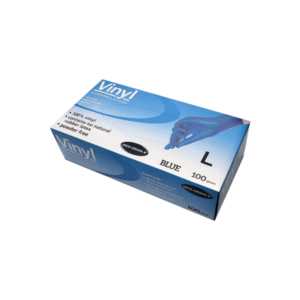
Nitrile powder free gloves are a popular choice for healthcare professionals, food handlers, cleaners, laboratory workers, beauty specialists, and industrial employees who need dependable hand protection. Made from synthetic nitrile rubber, these disposable gloves offer a combination of flexibility, puncture resistance, tactile sensitivity, and protection against selected contaminants.
Unlike natural rubber latex gloves, nitrile gloves do not contain natural rubber latex proteins, making them a practical alternative for workplaces concerned about latex allergies. Their powder-free construction also eliminates the loose donning powder traditionally used in some disposable gloves.
Whether you operate a medical clinic, commercial kitchen, cleaning business, laboratory, or manufacturing facility, selecting suitable gloves is essential for maintaining hygiene and protecting employees.
However, not all nitrile gloves offer the same level of protection. Differences in thickness, manufacturing quality, certification, chemical resistance, and intended application can significantly affect performance.
Understanding the benefits, applications, and purchasing considerations of nitrile powder free gloves can help businesses choose appropriate products while managing safety requirements and operating costs.
What Are Nitrile Powder Free Gloves?
Nitrile powder free gloves are disposable protective gloves manufactured from synthetic nitrile butadiene rubber, commonly called NBR.
This synthetic material provides flexibility, resistance to punctures, and protection against certain chemicals and biological contaminants when the gloves are appropriately designed and tested.
The term powder free means the gloves are manufactured without loose donning powder. Historically, glove manufacturers sometimes used powder to make gloves easier to put on and remove.
Modern manufacturing processes allow nitrile gloves to be produced without this added powder while maintaining a comfortable fit.
Nitrile gloves are generally available in different sizes, colours, thicknesses, and product categories.
Some products are specifically manufactured for medical examinations, while others are designed for food handling, cleaning, laboratory activities, or industrial work.
The intended application is important because general-purpose disposable gloves may not meet the requirements for medical or specialised chemical protection.
Nitrile powder free gloves are commonly supplied in boxes or cartons, making them convenient for workplaces that require frequent glove replacement.
Why Are Nitrile Powder Free Gloves So Popular?
Nitrile gloves have become widely used because they provide a useful balance of comfort, durability, and protection for many professional activities.
One of their main advantages is their synthetic rubber construction.
Unlike natural rubber latex, nitrile does not contain the natural latex proteins responsible for certain allergic reactions.
This makes nitrile gloves suitable for many workplaces seeking latex-free protective equipment.
Another advantage is their resistance to punctures and selected chemicals.
Nitrile generally performs well against certain oils, greases, and substances that may affect other glove materials.
However, chemical resistance varies according to the glove formulation, thickness, exposure duration, and chemical involved.
Nitrile gloves also provide a close-fitting design that allows users to handle tools, instruments, and small objects.
Modern products are available in thin, flexible versions for precision tasks and thicker options for more demanding applications.
These characteristics make nitrile powder free gloves a versatile choice for healthcare, cleaning, hospitality, and industrial environments.
Key Benefits of Using Nitrile Powder Free Gloves
Choosing suitable disposable gloves can improve workplace hygiene, comfort, and task performance.
Nitrile gloves offer several practical advantages.
Latex-Free Material
Nitrile gloves do not contain natural rubber latex proteins.
This makes them an alternative for individuals who need to avoid natural rubber latex.
However, some people may develop skin reactions to chemical accelerators used in certain nitrile glove formulations.
Powder-Free Construction
Powder-free gloves avoid the loose powder associated with traditional powdered disposable gloves.
This can be useful in environments where powder contamination is undesirable.
Puncture Resistance
Nitrile is generally recognised for its resistance to punctures compared with some other disposable glove materials.
However, no disposable glove is puncture-proof.
Comfortable Fit
Modern nitrile gloves are designed to conform to the hands while allowing natural finger movement.
Chemical Resistance
Appropriately selected nitrile gloves can provide protection against certain chemicals, oils, and greases.
Users must confirm compatibility with the specific substances involved.
Convenient Disposal
Single-use gloves can be removed and discarded after completing a task or when contamination occurs.
Multiple Product Options
Nitrile gloves are available in different thicknesses, colours, textures, and sizes.
These benefits make nitrile powder free gloves useful across many industries, provided the selected product matches the hazards and working conditions.
Different Types of Nitrile Powder Free Gloves
Not all nitrile gloves are designed for identical applications.
Understanding the available categories helps businesses select appropriate products.
Medical Examination Nitrile Gloves
Medical examination gloves are designed for healthcare activities involving patient contact and potential exposure to biological contaminants.
They must meet applicable medical device requirements in the market where they are supplied.
Industrial Nitrile Gloves
Industrial nitrile gloves are commonly used for selected cleaning, maintenance, manufacturing, and automotive activities.
Their suitability depends on the substances and physical hazards involved.
Food Handling Nitrile Gloves
Some nitrile gloves are manufactured and documented for food-contact applications.
Food businesses should confirm that the selected gloves meet applicable food safety requirements.
Textured Nitrile Gloves
Textured gloves feature surface patterns that may improve grip during certain tasks.
Texturing may be present on the fingertips or across the entire glove.
Heavy-Duty Nitrile Gloves
Heavy-duty disposable nitrile gloves are generally thicker than standard examination gloves.
They may be useful for more demanding tasks, although thickness alone does not guarantee adequate chemical protection.
Extended-Cuff Nitrile Gloves
Extended-cuff designs provide additional wrist and lower forearm coverage.
They may be appropriate for selected laboratory, cleaning, or industrial applications.
A reliable supplier of nitrile powder free gloves should provide clear specifications explaining the intended use of each product.
Common Uses of Nitrile Powder Free Gloves in Healthcare
Healthcare is one of the major sectors using disposable nitrile gloves.
Medical professionals may wear nitrile examination gloves during patient assessments, specimen collection, and procedures involving potential contact with blood or body fluids.
The gloves provide a protective barrier when properly selected and used.
Nitrile gloves are also commonly used in dental clinics, diagnostic laboratories, aged care facilities, and other healthcare environments.
Their latex-free construction helps reduce concerns associated with natural rubber latex allergies.
However, gloves must be appropriate for the specific clinical procedure.
Non-sterile examination gloves are not interchangeable with sterile surgical gloves when sterile hand protection is required.
Healthcare facilities should verify relevant product certification and regulatory compliance.
It is also important to remember that wearing gloves does not replace hand hygiene.
Healthcare workers must follow appropriate handwashing or hand sanitising procedures before and after glove use.
Properly selected nitrile powder free gloves support infection prevention practices but should always be used as part of a broader safety system.
Why Food Businesses Choose Nitrile Powder Free Gloves
Restaurants, cafés, catering companies, bakeries, and food processing facilities often use disposable gloves during selected food handling activities.
Nitrile gloves are popular because they are latex-free, flexible, and available in products suitable for food contact.
They may be used when preparing ready-to-eat foods, handling certain ingredients, or completing tasks where gloves are required by workplace procedures.
However, businesses must confirm that the gloves are suitable for their intended food-contact application.
Not every nitrile glove is automatically approved or appropriate for direct food contact.
Glove colour may help with workplace identification, but colour alone does not establish food safety suitability.
For example, blue nitrile gloves are common in food preparation environments because their colour may make torn glove fragments easier to notice in some foods.
Food handlers must replace gloves when switching between incompatible tasks.
A worker handling raw chicken should not use the same gloves to prepare ready-to-eat vegetables.
Nitrile powder free gloves can support hygienic food handling, but they must be combined with proper handwashing and contamination-control procedures.
Nitrile Powder Free Gloves for Cleaning and Janitorial Services
Cleaning professionals regularly encounter dirt, cleaning solutions, contaminated surfaces, and other workplace hazards.
Disposable nitrile gloves may be suitable for certain light cleaning and janitorial activities.
Their synthetic rubber construction offers resistance to selected chemicals and provides a barrier against ordinary contaminants.
However, not all cleaning products are compatible with thin disposable nitrile gloves.
Strong solvents, concentrated chemicals, and prolonged exposure may require specialised reusable chemical-resistant gloves.
Before selecting gloves, cleaning businesses should review the safety data sheets for the chemicals employees use.
Manufacturers may also provide chemical resistance charts showing how specific glove products perform against different substances.
Gloves should be replaced when damaged, contaminated, or no longer suitable for the task.
For routine cleaning work, nitrile powder free gloves can provide convenient hand protection when their specifications match the cleaning products and exposure conditions.
Applications in Laboratories and Scientific Research
Laboratories require careful selection of protective gloves because workers may handle biological samples, chemicals, equipment, and sensitive materials.
Nitrile gloves are commonly used in research laboratories, diagnostic facilities, and quality-control environments.
Their powder-free construction can be helpful where loose particles may interfere with sensitive work.
Nitrile gloves also offer good tactile sensitivity for handling small instruments and laboratory equipment.
However, chemical resistance must be assessed carefully.
Some chemicals can penetrate nitrile gloves without causing visible damage.
This process is called permeation.
Other substances may cause the material to swell, weaken, or deteriorate.
For hazardous chemicals, laboratory workers should consult chemical compatibility information and follow established safety procedures.
Certain applications may require specialised gloves, double-gloving protocols, or additional protective equipment.
Nitrile powder free gloves are useful for many laboratory tasks, but they should never be treated as universal protection against every chemical or biological hazard.
Nitrile Gloves for Automotive and Industrial Work
Automotive technicians, mechanics, maintenance workers, and industrial employees frequently use disposable gloves to reduce direct contact with oils, grease, dirt, and selected chemicals.
Nitrile gloves are commonly chosen because of their resistance to many petroleum-based oils and lubricants.
They also provide a close fit that allows workers to handle small components and tools.
Black nitrile gloves are particularly common in automotive environments because they can help conceal visible grease and stains.
However, glove colour does not determine protective performance.
For tasks involving sharp metal edges, high temperatures, or heavy mechanical hazards, ordinary disposable nitrile gloves may be insufficient.
Specialised protective gloves may be necessary.
Workers should also avoid wearing gloves near rotating machinery when there is an entanglement risk, unless the equipment’s safety procedures specifically require and permit their use.
A suitable nitrile powder free gloves product can support routine maintenance activities when selected according to the workplace risk assessment.
Nitrile Powder Free Gloves vs Latex Gloves
Nitrile and latex gloves are widely used for disposable hand protection.
Although both materials can provide flexibility and barrier protection, they differ in several important ways.
Material Composition
Nitrile gloves are made from synthetic rubber.
Latex gloves are manufactured from natural rubber latex.
Allergy Considerations
Nitrile does not contain natural rubber latex proteins.
Latex gloves can cause allergic reactions in sensitive individuals.
Flexibility
Latex is known for its natural elasticity.
Modern nitrile gloves also offer good flexibility, although comfort varies by product design.
Chemical Resistance
Nitrile generally provides better resistance than latex to certain oils and chemicals.
However, neither material protects against every substance.
Puncture Resistance
Nitrile gloves often provide good puncture resistance, although actual performance depends on thickness and manufacturing quality.
Cost
Prices vary according to brand, product specifications, certification, and purchasing quantities.
Businesses should compare products based on intended use rather than material alone.
For many workplaces, nitrile powder free gloves are a practical alternative to latex, particularly when reducing latex allergy exposure is a priority.
Nitrile Gloves vs Vinyl Gloves: Which Should You Choose?
Vinyl gloves are another common disposable glove option.
They are generally manufactured from polyvinyl chloride, commonly known as PVC.
Vinyl gloves may be suitable for selected short-duration, low-risk activities.
However, they typically offer less elasticity than nitrile gloves.
Nitrile gloves generally provide a closer fit and better resistance to punctures and certain chemicals.
This makes them useful for tasks requiring greater dexterity or more demanding protection.
Vinyl gloves may be selected for some food handling or light cleaning applications where their performance is adequate.
The correct choice depends on the task, expected exposure, required standards, and workplace procedures.
For activities involving potential contact with biological contaminants or selected chemicals, appropriately certified nitrile gloves may be preferable.
However, glove selection should always be based on verified product performance.
Nitrile powder free gloves are not automatically necessary for every low-risk task, and businesses should avoid unnecessary purchasing costs when another suitable material meets their requirements.
How to Choose the Best Nitrile Powder Free Gloves
Selecting the correct gloves requires careful consideration of product specifications and working conditions.
Choose the Right Size
Gloves that are too tight can restrict movement and may tear more easily.
Oversized gloves can reduce grip and make detailed tasks difficult.
Check Glove Thickness
Thicker gloves may provide greater physical durability, while thinner gloves can offer improved tactile sensitivity.
However, thickness alone does not determine chemical resistance.
Review Product Certification
Medical, food-contact, and industrial gloves may be subject to different requirements.
Buyers should verify that the product meets the standards relevant to its intended application.
Consider Grip and Texture
Textured fingertips or palms may help improve handling during certain tasks.
Evaluate Cuff Length
Extended cuffs may provide additional coverage when required.
Assess Chemical Compatibility
Always review manufacturer chemical resistance information when gloves will be used with hazardous substances.
Compare Supplier Reliability
A dependable supplier should provide clear specifications, consistent product quality, and reliable delivery.
Choosing appropriate nitrile powder free gloves helps businesses balance comfort, protection, and operating costs.
Understanding Glove Thickness and Protection Levels
Nitrile glove thickness is commonly measured in millimetres, microns, or mils.
A mil is one-thousandth of an inch.
Different glove thicknesses are designed for different applications.
Thin nitrile gloves are often used for tasks requiring tactile sensitivity and frequent glove changes.
Medium-thickness gloves may provide a balance between flexibility and physical durability.
Thicker disposable gloves may be selected for more demanding work involving abrasion or selected chemical exposures.
However, thicker does not always mean safer.
Chemical resistance depends on the glove formulation, the chemical involved, temperature, and exposure duration.
For example, a thicker glove made from an unsuitable material may perform worse against a particular chemical than a thinner glove specifically designed for that substance.
Businesses purchasing nitrile powder free gloves should review tested performance data rather than relying only on advertised thickness.
How to Wear and Remove Nitrile Gloves Correctly
Correct glove use is essential for reducing contamination risks.
Before putting on gloves, perform hand hygiene according to the relevant workplace procedure.
Hands should be dry before wearing disposable gloves.
Inspect the gloves for visible tears, punctures, or manufacturing defects.
Select the correct size and ensure the gloves are suitable for the intended task.
During use, avoid touching unnecessary surfaces such as mobile phones or personal belongings.
Replace gloves whenever they become damaged, contaminated, or unsuitable for continued use.
When removing gloves, grasp the outside of one glove near the wrist and peel it away, turning it inside out.
Hold the removed glove in the remaining gloved hand.
Slide the fingers of the ungloved hand beneath the wrist of the second glove and peel it off over the first.
Discard both gloves in the appropriate waste container.
Perform hand hygiene immediately after removal.
Correct handling ensures nitrile powder free gloves are used as part of an effective hygiene and safety procedure.
Buying Nitrile Powder Free Gloves in Bulk
Businesses that use disposable gloves regularly may benefit from wholesale purchasing.
Bulk orders can simplify inventory management and may reduce the cost per glove.
Healthcare facilities, cleaning contractors, food businesses, and laboratories often require consistent glove supplies.
Before placing a large order, buyers should confirm several details.
Packaging Quantity
Gloves may be sold in boxes containing different quantities.
Always compare the actual number of gloves supplied.
Size Availability
Ensure the supplier stocks the sizes required by employees.
Product Specifications
Review thickness, material, intended use, and relevant compliance documentation.
Minimum Order Requirements
Some suppliers offer carton quantities or volume-based discounts.
Delivery Costs
Compare the total delivered price rather than the advertised box price alone.
Stock Reliability
Businesses should choose suppliers capable of maintaining consistent availability for repeat orders.
Shelf Life
Check manufacturer expiry information and avoid ordering more stock than can reasonably be used.
A reliable supplier of nitrile powder free gloves should provide accurate product information and transparent purchasing conditions.
Proper Storage of Nitrile Powder Free Gloves
Storage conditions can influence glove quality and performance.
Disposable nitrile gloves should generally be stored in a clean, dry environment away from direct sunlight and excessive heat.
Manufacturers may provide specific temperature and storage recommendations.
Gloves should remain in their original packaging until required.
Businesses should avoid storing cartons near heating equipment or substances that could damage the material.
Inventory should be rotated so older products are used first, provided they remain within their stated shelf life.
Employees should inspect gloves before use and discard products showing signs of deterioration.
Damaged, brittle, or unusually sticky gloves may no longer provide their intended performance.
Proper storage helps maintain the quality of nitrile powder free gloves and reduces unnecessary inventory waste.
Environmental Considerations of Disposable Nitrile Gloves
Nitrile gloves are made from synthetic rubber and are generally not biodegradable under ordinary environmental conditions.
Their production and disposal contribute to material consumption and waste.
Businesses seeking to reduce environmental impact should focus on appropriate glove use and responsible purchasing.
One practical approach is to avoid wearing disposable gloves when they are unnecessary.
However, gloves must always be used when required for workplace protection or infection prevention.
Businesses can also reduce waste by selecting correct sizes, maintaining suitable inventory levels, and preventing unnecessary damage during storage.
Some manufacturers offer glove recycling programmes for eligible, uncontaminated materials.
However, gloves contaminated with hazardous chemicals or biological substances may require specialised disposal.
Recycling availability depends on local facilities and programme requirements.
A responsible purchasing strategy for nitrile powder free gloves should balance environmental considerations with workplace safety and hygiene.
Common Mistakes to Avoid When Using Nitrile Gloves
One common mistake is assuming that all nitrile gloves provide the same protection.
Products vary in thickness, manufacturing quality, chemical resistance, and intended application.
Another mistake is wearing the same gloves for multiple unrelated tasks.
This can transfer contaminants between surfaces and materials.
Businesses should also avoid purchasing gloves solely based on the lowest price.
Poorly fitting or unsuitable gloves may increase waste and create safety concerns.
Other mistakes include using damaged gloves, failing to perform hand hygiene, and storing products in unsuitable conditions.
Some workers also assume that disposable nitrile gloves provide complete protection against strong chemicals.
This is incorrect.
Chemical compatibility must always be verified.
Proper training, suitable product selection, and regular glove replacement help ensure nitrile powder free gloves provide appropriate protection during everyday workplace activities.
Frequently Asked Questions About Nitrile Powder Free Gloves
1. What are nitrile powder free gloves used for?
Nitrile powder free gloves are used for hand protection in healthcare, food handling, cleaning, laboratories, automotive work, beauty services, and selected industrial applications. They provide a barrier against certain contaminants and chemicals when appropriately selected and used. Their latex-free construction makes them a common alternative to natural rubber latex gloves.
2. Are nitrile powder free gloves safe for sensitive skin?
Nitrile gloves do not contain natural rubber latex proteins, making them suitable for many people with latex allergies. However, some individuals may experience skin reactions to chemical accelerators or other ingredients used in glove manufacturing. People with persistent irritation should seek appropriate medical advice and consider suitable accelerator-free products.
3. Can nitrile powder free gloves be used for food handling?
Yes, certain nitrile powder free gloves are suitable for food handling when they meet applicable food-contact requirements. Businesses should verify the product’s intended use and relevant documentation. Gloves must be changed between incompatible tasks and should never replace proper handwashing.
4. Are nitrile gloves better than latex gloves?
Nitrile gloves are latex-free and generally offer better resistance to certain oils and chemicals. Latex gloves are known for their natural elasticity and tactile sensitivity. The best choice depends on the application, required protection, comfort, and allergy considerations.
5. Can nitrile powder free gloves be reused?
Disposable nitrile gloves are designed for single use and should not normally be washed or reused. Reuse may compromise glove integrity and increase contamination risks. Gloves should be replaced after completing the relevant task or whenever they become damaged or contaminated.
6. What is the difference between powdered and powder-free gloves?
Powdered gloves contain loose powder traditionally used to make them easier to put on. Powder-free gloves are manufactured without this added donning powder. Powder-free designs are commonly preferred in healthcare and other environments where powder contamination is undesirable.
7. How long do nitrile powder free gloves last in storage?
Shelf life varies according to the manufacturer, glove formulation, packaging, and storage conditions. Many products carry a stated expiry date or recommended shelf life. Gloves should be stored according to manufacturer instructions and inspected before use. Products showing signs of deterioration should be discarded.
8. Where can I buy nitrile powder free gloves in bulk?
Nitrile powder free gloves are available from medical supply distributors, industrial safety suppliers, cleaning product wholesalers, hospitality suppliers, and specialist protective equipment retailers. Businesses should compare product specifications, relevant certifications, packaging quantities, size availability, delivery costs, and supplier reliability before ordering.
Conclusion
Nitrile powder free gloves are a versatile and practical option for workplaces that require disposable hand protection, hygiene, and comfortable handling.
Their synthetic rubber construction provides flexibility, puncture resistance, and protection against selected substances while avoiding natural rubber latex proteins.
From healthcare and food preparation to cleaning, laboratories, and industrial maintenance, nitrile gloves support a wide range of professional activities.
However, effective protection depends on selecting gloves that match the specific task and associated hazards.
Businesses should consider material quality, thickness, chemical compatibility, product certification, sizing, and supplier reliability before purchasing.
Correct glove use, replacement, storage, and disposal are equally important for maintaining hygiene and workplace safety.
Whether purchasing individual boxes or wholesale cartons, choosing suitable nitrile powder free gloves can help businesses maintain consistent protection, improve operational efficiency, and manage ongoing supply costs.
By investing in appropriate products and following established safety procedures, organisations can create cleaner, safer, and more efficient working environments.