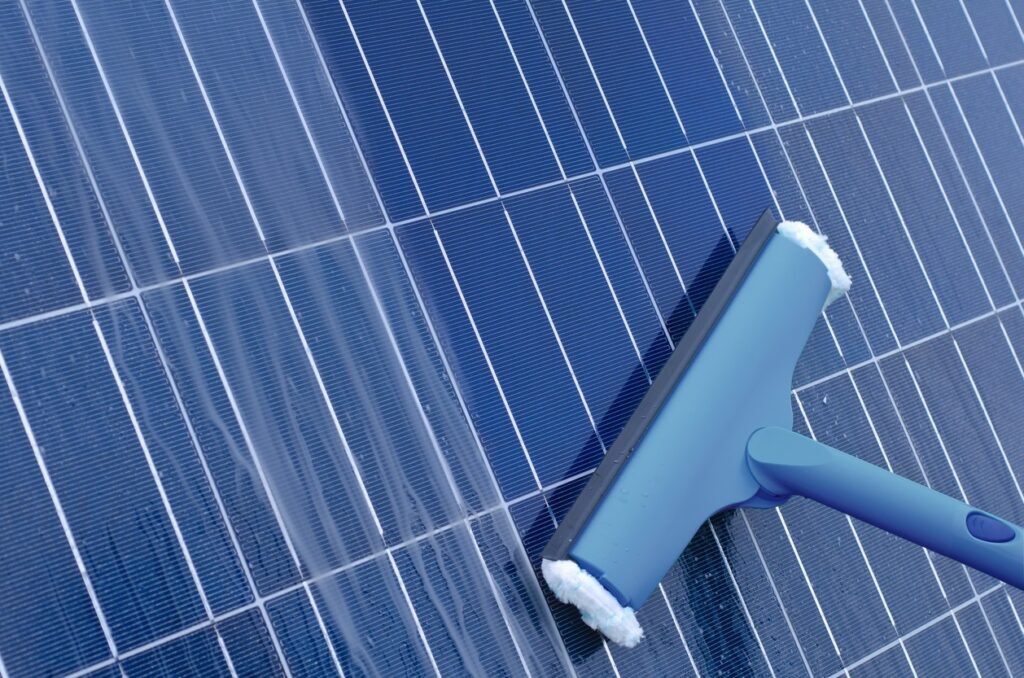
Dust, pollen, bird droppings, leaves, and other debris can quietly reduce the amount of sunlight reaching solar panels. For property owners and facility managers, Commercial solar cleaning provides a practical way to keep panels working closer to their intended performance throughout changing seasons. Regular maintenance does more than improve appearance; it helps remove surface buildup that can interfere with sunlight absorption and contribute to avoidable energy losses.
Why Clean Solar Panels Matter
Solar panels are designed to capture sunlight and convert it into usable electricity. However, their exposed position means they naturally collect materials from the surrounding environment.
A thin layer of dust may seem harmless, but repeated buildup can become more noticeable over time. Pollen, dirt, leaves, bird droppings, and pollution particles can partially block sunlight from reaching the photovoltaic cells beneath the glass.
This is why solar cleaning should be considered part of a broader maintenance plan rather than an occasional cosmetic service. Keeping the panel surface clear allows more available sunlight to reach the cells.
Surface Dirt Can Reduce Light Exposure
Solar panels depend on direct and diffuse sunlight. When dirt accumulates across the glass, some incoming light is obstructed or scattered before it reaches the photovoltaic material.
The effect varies depending on the type and amount of contamination. A light layer of dust may have a relatively small effect, while heavy deposits or concentrated debris can create more significant localized shading.
For large commercial installations, even modest performance losses can matter because many panels operate together. Maintaining clean surfaces can therefore support more consistent system output.
Uneven Debris Can Create Localized Problems
Not all contamination spreads evenly. Bird droppings, leaves, mud, and other deposits can cover individual areas of a panel.
When part of a panel is heavily obstructed, the impact may be greater than that caused by a uniform light layer of dust. Some modern solar systems are designed to manage differences between panels or sections, but keeping surfaces clean remains an important preventive measure.
How Solar Cleaning Supports Year-Round Performance
Solar panels operate in changing weather conditions throughout the year. Each season can introduce different types of debris, making regular cleaning useful for maintaining consistent performance.
For example, spring may bring pollen, while summer can introduce dust and airborne particles. Fall often creates additional challenges from leaves and organic debris, and winter may leave behind dirt after rain, snow, or freezing conditions.
A seasonal maintenance approach helps address these changing sources of buildup.
Spring Maintenance Removes Pollen and Organic Debris
Spring can bring high levels of pollen, flowering debris, and airborne particles. These materials may settle on exposed panel surfaces and combine with moisture or other contaminants.
A planned cleaning after periods of heavy pollen can help restore a clearer surface. It also provides an opportunity to inspect panels for other visible issues that may have developed during colder months.
Summer Cleaning Helps Manage Dust
Dry summer conditions can increase airborne dust, particularly around construction areas, agricultural locations, highways, and industrial properties.
Dust can settle gradually without being obvious from ground level. Regular inspection and solar cleaning can help prevent these deposits from becoming a thick layer that interferes with sunlight exposure.
Fall Cleaning Helps Remove Leaves and Debris
Falling leaves can accumulate around panels, especially when systems are installed near trees. While a few leaves may not create a major problem, larger accumulations can block portions of the panel surface.
Organic debris can also retain moisture. Removing it before it becomes compacted or difficult to clear can make seasonal maintenance easier.
Winter Conditions Require Careful Attention
Winter maintenance requires a different approach. Snow and ice should never be removed using methods that could scratch or damage panel surfaces.
In many locations, panel angles allow snow to slide away naturally. However, after winter weather, dirt and residue may remain on the glass. Once conditions are safe, an appropriate inspection and cleaning routine can help prepare the system for stronger sunlight.
Key Benefits of Regular Solar Cleaning
Regular maintenance can provide several practical advantages for commercial and residential solar installations.
| Benefit | How Cleaning Helps |
|---|---|
| Better sunlight exposure | Removes dust and debris that obstruct the panel surface |
| More consistent performance | Helps reduce avoidable losses caused by accumulated contamination |
| Easier inspections | A clean surface makes visible damage easier to identify |
| Longer-term maintenance | Supports a proactive approach to system care |
| Improved appearance | Keeps solar installations looking clean and professionally maintained |
| Reduced debris buildup | Prevents contaminants from becoming harder to remove later |
The exact performance benefit depends on factors such as climate, panel angle, rainfall, surrounding vegetation, and the type of contamination present. Cleaning should therefore be viewed as one part of overall solar system maintenance rather than a guaranteed percentage increase in energy production.
How Often Should Solar Panels Be Cleaned?
There is no single schedule that works for every property. A solar installation in a dusty region may require more frequent attention than one located in an area with regular rainfall and limited airborne pollution.
The surrounding environment is one of the most important factors to consider.
Consider the Local Environment
Properties near busy roads, construction sites, farms, industrial facilities, or dry open areas may experience faster dirt accumulation. Buildings surrounded by trees may also collect leaves, pollen, and bird-related debris.
In contrast, frequent rainfall can naturally remove some loose dust. However, rain does not necessarily remove sticky deposits, bird droppings, oily residue, or heavier contamination.
Monitor System Performance
Energy monitoring tools can help property owners identify unusual changes in production. A gradual decline may have several possible causes, including weather, equipment issues, shading, or soiling.
If performance drops while sunlight conditions remain favorable, an inspection can help determine whether surface contamination is contributing to the change.
Inspect Before Cleaning
Cleaning should begin with an inspection. Look for visible dirt, bird droppings, leaves, water spots, cracks, damaged frames, loose components, or other unusual conditions.
This approach prevents cleaning from becoming a substitute for proper maintenance. If physical damage or an electrical issue is suspected, qualified solar professionals should evaluate the system.
Why Professional Cleaning Can Be Useful
Solar panels may look simple from the ground, but commercial installations can cover large areas and may be positioned on rooftops or elevated structures.
Professional cleaning services can bring specialized equipment, appropriate cleaning methods, and safety procedures to the job. This is particularly valuable when panels are difficult to access or when the installation contains a large number of modules.
Professional Equipment Helps Protect Panel Surfaces
Solar panels have glass surfaces that can be damaged by abrasive materials or improper cleaning techniques. Hard brushes, harsh chemicals, and unsuitable tools may leave scratches or damage protective components.
Professional maintenance teams can select cleaning equipment based on the panel surface and site conditions. Using suitable methods reduces the risk of turning routine maintenance into an expensive repair issue.
Safety Matters on Commercial Sites
Large solar arrays can involve elevated rooftops, electrical equipment, slippery surfaces, and difficult access points. Attempting to clean such systems without proper safety procedures can expose workers to unnecessary risks.
Professional services can account for access requirements and site-specific hazards. This is especially important for warehouses, office buildings, retail properties, manufacturing facilities, and other commercial locations.
Common Solar Cleaning Mistakes to Avoid
Cleaning solar panels sounds straightforward, but several mistakes can reduce its value or cause unnecessary damage.
Using Abrasive Tools
Rough brushes, scouring materials, or abrasive cleaners can scratch the panel surface. Scratches may affect the appearance and potentially interfere with the panel’s protective surface.
Soft, appropriate cleaning equipment is generally preferable.
Cleaning During the Hottest Part of the Day
Extremely hot panels can cause water to evaporate quickly. This may leave mineral deposits or streaks behind.
Whenever site conditions and manufacturer guidance allow, cleaning during cooler periods can make the process more manageable and reduce rapid drying.
Ignoring Manufacturer Recommendations
Different solar panel manufacturers may provide specific maintenance instructions. Those recommendations should be checked before selecting cleaning products or procedures.
Following manufacturer guidance helps protect warranties and reduces the risk of improper maintenance.
Treating Heavy Contamination as a One-Time Problem
If panels become heavily soiled every few months, cleaning them once a year may not provide the most practical maintenance strategy.
Instead, property managers can monitor conditions and create a schedule based on actual contamination levels. A preventive approach is often easier than waiting until buildup becomes severe.
How Weather Affects Solar Panel Cleanliness
Weather plays an important role in both panel performance and cleaning requirements.
Rain can wash away loose particles, but it does not guarantee clean panels. Rainwater can also leave mineral spots when it dries, especially in areas with harder water or airborne contaminants.
Wind can carry dust, sand, pollen, leaves, and other particles onto exposed surfaces. Storms may also leave behind organic debris.
Understanding local weather patterns makes it easier to establish a practical solar cleaning schedule.
Solar Cleaning and Long-Term Maintenance
Keeping panels clean should not be viewed in isolation. A well-maintained solar system requires attention to several components and conditions.
Property managers should consider monitoring energy production, inspecting visible wiring and mounting areas where appropriate, checking for shading changes, and arranging professional evaluations when unusual performance occurs.
Clean panels also make visual inspections easier. Cracks, discoloration, physical damage, or accumulated debris are generally easier to notice when the glass surface is not covered by dirt.
Cleaning Can Support Better Maintenance Decisions
A clean panel provides a clearer view of its physical condition. This can help maintenance teams identify issues before they become more difficult or expensive to address.
For commercial property owners, this is particularly useful because solar installations can represent a significant long-term investment. Routine maintenance helps protect that investment by addressing manageable issues before they develop further.
Creating a Practical Solar Cleaning Schedule
A useful cleaning plan does not have to be complicated. Start by identifying the property’s environmental conditions, then adjust the schedule according to observed buildup and system performance.
A simple maintenance process may include:
- Inspect the panels regularly for dust, leaves, bird droppings, and other deposits.
- Monitor energy production and investigate unexpected changes.
- Identify seasonal patterns that cause heavier contamination.
- Schedule cleaning when buildup becomes noticeable or according to the property’s maintenance plan.
- Use appropriate equipment and methods to avoid damaging panel surfaces.
- Document cleaning and inspections for easier long-term maintenance tracking.
- Arrange professional evaluation when performance issues continue after cleaning.
This approach turns cleaning from an afterthought into a manageable part of facility maintenance.
When Solar Cleaning Should Be a Priority
Some installations require closer attention than others. A cleaning assessment may be especially useful when panels are exposed to heavy dust, nearby construction, significant bird activity, tree debris, industrial pollution, or prolonged dry conditions.
Commercial properties with large solar arrays may also benefit from planned maintenance because even small amounts of contamination can affect multiple modules.
However, cleaning should always be based on actual site conditions. If panels remain clean because of local rainfall and environmental factors, overly frequent cleaning may provide little additional value.
Conclusion
Clean solar panels have a better opportunity to receive the sunlight they were designed to capture. While the exact impact of dirt varies by climate, location, panel angle, and contamination level, routine maintenance can help prevent avoidable performance losses and keep solar installations in better condition. A thoughtful solar cleaning schedule also makes inspections easier, supports safer maintenance, and helps property owners respond to seasonal challenges. For commercial facilities, combining regular monitoring with professional cleaning when needed can provide a practical way to protect system performance throughout the year. Clean panels are not the only factor behind solar output, but they are an important part of responsible system care.
FAQs
1. Does cleaning solar panels really improve their output?
Yes, cleaning can improve output when dirt, dust, bird droppings, or other debris is blocking sunlight. The amount of improvement varies according to the level and type of contamination and the property’s environmental conditions.
2. How often should commercial solar panels be cleaned?
There is no universal schedule. Properties with heavy dust, pollution, construction activity, or significant bird and tree activity may need more frequent cleaning than locations with cleaner conditions and regular rainfall.
3. Can rain clean solar panels effectively?
Rain can remove some loose dust and particles, but it does not always remove sticky deposits, bird droppings, or heavier buildup. Rainwater can also leave mineral residue after evaporation.
4. Can dirty solar panels reduce energy production?
Yes. Dirt and debris can block or scatter sunlight before it reaches the photovoltaic cells. Heavy or localized contamination may therefore contribute to lower electricity production.
5. Is professional solar cleaning necessary?
Professional cleaning can be useful for large commercial systems, elevated installations, or sites with difficult access. Trained cleaners can also use suitable equipment and procedures to reduce the risk of surface damage and workplace injuries.