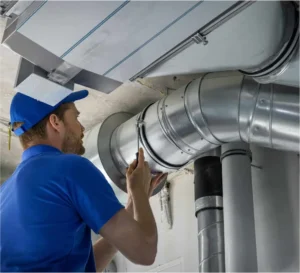
Fire safety checks play an important role in protecting homes, businesses, employees, customers, and community spaces from preventable hazards. Through fire prevention and code enforcement, local fire authorities help identify unsafe conditions and encourage property owners to address potential risks before they become serious problems. Regular checks are not simply about meeting requirements; they are an important part of creating safer buildings and helping people understand what they can do to reduce fire risks.

Fire Hazards Can Develop Over Time
Perhaps just a few short months ago or a few years ago, the building was considered safe. Is it still 100% risk free? It may not be as things can become lost, ignored or damaged, for example, equipment, emergency exits become over cluttered, fire extinguishers may need testing.
These problems can arise gradually and not seem like an issue at first. But a small problem with a fire can mean a far more severe outcome. Fire safety inspections give commercial building owners the chance to address these concerns before anything occurs.
You can also perform periodic inspections to guarantee the availability of essential safety functions. Exit doors, fire doors, safety equipment, alarms, extinguishers, and many other items are designed to keep your building’s occupants safe in an emergency.
Regular Checks Help Identify Common Fire Risks
Other hazards may be encountered during the normal day-to-day activities. These include: Use of cooking equipment, electrical equipment, heating equipment, combustible materials or other equipment within your business that can pose hazards.
You can simply scan through these sections of a safety audit and see if they’re being used and is in order. That’ll ensure the owners will adjust in any way possible to reduce any preventable risks.
Common concerns may include:
- Blocked or difficult-to-access exits
- Improper storage of combustible materials
- Damaged electrical equipment
- Missing or inaccessible fire extinguishers
- Problems with emergency lighting
- Unsafe cooking or heating practices
- Poor housekeeping in storage areas
- Obstructions near fire protection equipment
Prevention is better than cure: Take each of the above issues as early as you can, as it is far easier than having to rectify the ramifications of a fire.
Fire Safety Checks Support Code Compliance
Basic fire safety standards are put in place for key protection of property and individuals. Building specific and intended use requirements will vary but property owners are ultimately responsible to ensure standards are met.
Frequent testing and inspections can reveal problems that formerly met the criteria, giving owners and managers an opportunity to get it right before getting caught.
Code compliance is more than just an OSHA requirement. Fire codes are designed to remove hazards to occupancies that may affect emergency egress, ease of fire spread, and persistence. Understanding the importance of these codes helps establish the importance of taking action to reduce risk.
Small Problems Can Become Big Emergency Windfalls
List of the Top Reasons Why Routine Fire Safety Inspections Cannot Be Ignored In a crisis, the truth is that minor, everyday problems may not seem like such a big deal.
A door that is just slightly blocked, for example, does not seem to be that important in regard to everyday work. During a fire, however, a person might need to escape easily, and he or she might not have good visibility.
Similarly, a fire extinguisher in a hard-to-reach place or an out-of-date fire alarm can be a real pain when you need it.
Landlords can predict when you have ongoing regularly inspections We want to address the problem and want to try and resolve it before it escalates.
Fire Safety Is Everyone’s Responsibility
Fire safety is not just for firefighters, inspectors or property owners. Employees, residents, visitors and shop assistants all have a role.
Employees need to be familiar with how the emergency systems work and know the location of their nearest exit. Make sure there are no obstructions blocking exits and corridors. It is also the managers responsibility to ensure emergency equipment is accessible and well identified and employees are aware of exactly what they need to do during a fire.
A few things landlords could do to assist are:
- Conducting inspections
- servicing safety systems
- repairing hazards
- and publicising hazards with information.
Good incidence of a fire safety culture is when you learn that you have to practice safety every time not just after something bad has happened.
Public Education Strengthens Fire Prevention
Inspections and safety checks would improve public education Fire prevention and public education concentrate on helping residents, businesses and organizations to become more aware of the standard hazards and identify ways to adopt a safer standard of practice.
Teaching about these will be much more easier when children will understand WHY it is they are doing all these things. Teaching about things such as fire alarm awareness, fire escape, cooking safety, electrical safety, fire extinguisher awareness, clear exits, etc. WHY? … Ple..ase.
Community fire safety programs make the community a place for residents to ask questions and obtain local information. And more and more, agencies such as Old Bridge Fire District 3 can be a valuable resource for the public in disseminating fire safety, prevention and preparedness info.
Fire Safety Must Be Business As Usual
Being aware of fire safety should become an integral part of the day to day running of a business. Staff will change, new equipment installed, the building changed. All of this can affect safety.
Employers and managers should conduct, or ensure that they have conducted, a discussion with the staff about the emergency procedures and confirm that all staff are aware of what they should do. Employers and managers should ensure exits are free from obstruction, maintain fire protection equipment and deal with safety issues straight away.
An inspection deadline or emergency deferment may also create unwanted risks. Streamline the safety and your daily operation with a standard approach.
Why Ongoing Fire Safety Support Matters
A fire safety check in the middle of the year is just as valuable as one at the beginning. If it doesn’t reveal any obvious fire risk, it can at least highlight potential risks and keep you safe throughout the year.
Stay informed of your local fire safety providers so you can stay informed of what is required and take the necessary actions to meet those requirements. Your tenants will appreciate the reassurance of awareness of inspections, fire prevention programs and fire safety resources.
At-Home Prevention
Just one dose of prevention today can go a long way in keeping you, your family and your property safe while creating a better, stronger safety culture. Old Bridge Fire District 3 is proud to be a positive and valuable safety resource for the Old Bridge community.

Conclusion
Regular fire safety checks should never be treated as an unnecessary task. They help property owners identify hazards, maintain safer buildings, support code compliance, and prepare occupants for emergencies. When inspections are combined with fire prevention and public education, communities are better positioned to prevent avoidable fire risks and respond effectively when emergencies occur. Taking simple safety measures today can make a significant difference when it matters most.
Frequently Asked Questions
1. Why Should you undertake fire safety checks?
This is to look for any hazards that could occur and cause a fire or have an impact on an emergency, which might not have happened yet. They will also help the owners maintain the property as safe and avoid any possible compliance problems.
2. What will a fire safety check discover?
A check could discover clear ways out, not correct place the fire extinguishers, electrical risks, challenge the way to escape, and other causes which might risk the danger of fire.
3. Fire Safety Inspection Requirements.
The frequency depends on the property type, its use, local requirements and other property-specific factors, such as the fire protection systems present on the property. Property owners should consult local requirements and/or recommended inspection/maintenance schedules.