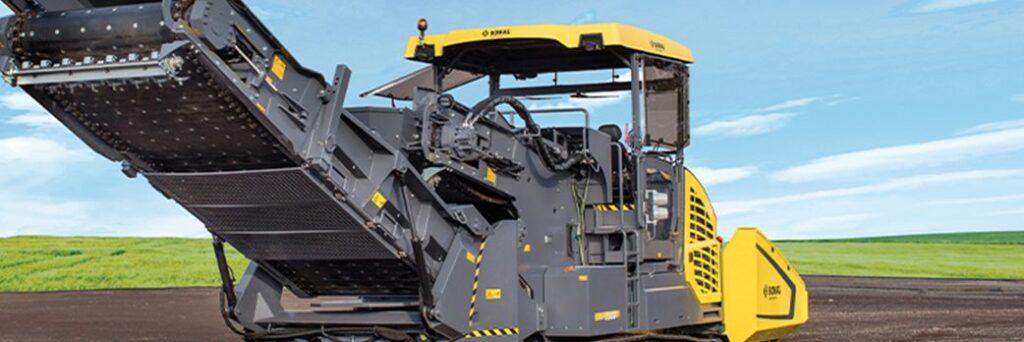
Asphalt paving can take longer than planned even when the crew, materials, and work schedule appear to be ready. A project that should move steadily can slow down because of inconsistent material flow, screed problems, heating issues, worn components, or equipment that is not properly set up for the application. If you are evaluating asphalt pavers for sale, understanding these problems can also help you determine which machine features and maintenance considerations matter before investing in equipment.
A paving operation depends on several systems working together. The hopper receives the mix, conveyors move it forward, augers distribute it across the paving width, and the screed shapes and partially compacts the material. A problem in one part of this sequence can affect the entire operation.
Recognizing the common equipment-related causes of delays can help contractors identify problems earlier, reduce unnecessary stoppages, and maintain a more consistent paving process.
Why Equipment Problems Can Slow Asphalt Paving
Paving is a continuous process. Unlike some construction tasks where equipment can stop and restart with relatively little consequence, asphalt paving depends heavily on maintaining a steady flow of material and consistent machine movement.
Wirtgen Group notes that interrupted paving and cooling of the mix can work against the quality of fresh asphalt. Its description of the paving process also emphasizes the importance of controlled material flow from the truck through the paver and toward the screed.
That means an equipment problem does not always appear as a complete machine breakdown. A paver can remain operational while still working inefficiently because material is not moving consistently, the screed is not maintaining the required settings, or the machine is repeatedly stopping for adjustments.
Several warning signs deserve attention.
1. Inconsistent Material Flow Through the Hopper
The hopper is the first major stage of material handling.
If asphalt mix is not entering and moving through the paver consistently, the rest of the paving process can become irregular. Operators may need to reduce travel speed or stop the machine while waiting for sufficient material.
Possible equipment-related causes include:
- Material buildup in the hopper
- Problems with the conveyor system
- Incorrect conveyor settings
- Worn components
- Poorly functioning feed sensors
- Improper coordination between the delivery truck and paver
Modern pavers are designed with feeder systems that help regulate material movement toward the augers. For example, manufacturers describe conveyor and feeder controls that allow material flow to be adjusted according to paving requirements.
If material repeatedly reaches the augers unevenly, checking the feeder and conveyor system should be part of the troubleshooting process.
2. Worn or Damaged Augers
The augers play an important role in distributing asphalt across the width of the screed.
When auger components become excessively worn, material may not move as intended. This can contribute to uneven material distribution and force the crew to make repeated adjustments.
Wirtgen Group has specifically highlighted the importance of auger blades and flighting in asphalt pavers. Its technical guidance explains that excessive wear or incorrect positioning of auger components can contribute to insufficient material in the center of the screed and uneven material distribution.
This makes auger inspection particularly important when paving starts taking longer than expected.
A basic inspection should consider:
- Auger flighting condition
- Blade wear
- Component positioning
- Clearance
- Material buildup
- Rotation and drive operation
The exact inspection procedure should follow the paver manufacturer’s service documentation.
3. Conveyor Problems
The conveyor moves asphalt from the hopper toward the auger system. If its movement is inconsistent, the operator may struggle to maintain a steady material supply.
A conveyor problem can be mechanical, hydraulic, electrical, or related to the control system, depending on the machine.
Watch for signs such as:
- Uneven conveyor movement
- Unusual noise
- Material accumulating in one area
- Frequent interruptions
- Delayed response from controls
- Excessive material buildup
- Inconsistent feed to the augers
Some modern asphalt pavers provide independent control of conveyors and augers so operators can adjust material flow according to changing conditions.
If the conveyor cannot maintain the required flow, increasing paving speed will not necessarily solve the problem. It may make material distribution more difficult instead.
4. Incorrect Screed Setup
A paving machine can be mechanically sound and still produce delays if the screed is incorrectly configured.
The screed determines much of the final mat profile, thickness, width, and surface characteristics. Its settings therefore need to match the application.
Important setup considerations can include:
- Paving width
- Screed angle
- Crown
- Tow-point position
- Extender settings
- Screed temperature
- Tamper or vibration settings, depending on screed type
- Target paving depth
If operators repeatedly stop to correct thickness or surface problems, the root cause may be setup rather than a mechanical failure.
Manufacturers provide adjustment features intended to help operators maintain screed geometry and material flow. However, those systems still need to be correctly configured for the specific paving operation.
5. Screed Heating Problems
Temperature is a major consideration during asphalt paving.
A screed that has not reached the required operating temperature can create problems with material movement and surface finish. Operators may need to wait before starting or slow the paving process while addressing heating issues.
Potential problems include:
- Failed heating elements
- Temperature sensor faults
- Electrical problems
- Uneven heating between zones
- Damaged wiring
- Incorrect temperature settings
Modern systems may include separate heating zones and monitoring functions. Some manufacturers also provide systems designed to continue heating under certain sensor-failure conditions.
If the screed is taking unusually long to reach its required temperature, do not simply compensate by changing other paving settings. Investigate the heating system and follow the manufacturer’s diagnostic procedure.
6. Material Sticking to the Screed
Asphalt buildup can interfere with smooth material movement and may require cleaning or adjustment.
The problem can be especially disruptive when material sticks to surfaces where it should move freely. Heated components and appropriately maintained material-contact surfaces can help reduce unwanted buildup.
A paver that repeatedly requires cleaning during production may be losing significant working time.
Operators should identify where buildup is occurring rather than treating cleaning as the only solution. If material is consistently accumulating in the same location, inspect the relevant component for wear, incorrect adjustment, damage, or another underlying problem.
7. Feed Sensors Are Not Working Correctly
Many modern pavers use sensors and automatic feed controls to help maintain appropriate material levels in front of the screed.
When these systems do not operate correctly, the machine may not maintain the desired material flow automatically.
Possible symptoms include:
- Material level changing significantly
- One side receiving more material than the other
- Augers running inconsistently
- Frequent manual intervention
- Repeated overfeeding or underfeeding
The solution may involve checking sensor positioning, wiring, calibration, controls, or the relevant mechanical components.
Automatic systems should not be treated as completely maintenance-free. Sensors and controls still need inspection and proper calibration according to the manufacturer’s instructions.
8. Hydraulic or Drive System Problems
A paver’s hydraulic and drive systems influence movement, feeding, steering, and other functions.
A hydraulic problem may not always result in an immediate shutdown. Reduced performance can instead appear as slow machine response, inconsistent component movement, or difficulty maintaining the required operating speed.
Potential warning signs include:
- Sluggish movement
- Unusual hydraulic noise
- Leaks
- Excessive heat
- Inconsistent response
- Components failing to maintain their expected movement
Because hydraulic systems can be complex and operate under high pressure, troubleshooting should follow the manufacturer’s procedures. Suspected hydraulic faults should not be ignored simply because the machine is still moving.
9. Track or Wheel Problems Are Reducing Travel Efficiency
The paver must move at a controlled and consistent rate while maintaining the required alignment.
Track or wheel problems can make this more difficult.
Depending on the machine type, inspect areas such as:
- Track condition
- Track tension
- Drive components
- Wheel condition
- Steering response
- Undercarriage wear
- Debris buildup
The exact inspection requirements differ between tracked and wheeled pavers.
A machine that struggles to maintain smooth travel can force the operator to make repeated corrections. This can reduce production efficiency and potentially affect the consistency of the finished mat.
10. The Paver Is Not Properly Matched to the Job
Sometimes the equipment is not broken—the machine simply is not the right fit for the application.
A paver’s working width, material-handling capability, operating configuration, and screed arrangement should correspond with the project’s requirements.
For example, a machine configured for a particular paving width may not be efficient when repeatedly changed to accommodate a significantly different application.
When considering asphalt pavers for sale, evaluate the types of projects the machine will actually perform rather than focusing only on its maximum specifications.
Ask:
- What paving widths are typical?
- What materials will be handled?
- What production rate is required?
- Will the machine work on urban streets, highways, parking areas, or other surfaces?
- How frequently will paving width change?
- What type of screed is appropriate?
- How easy is routine maintenance?
- Is service support available for the machine?
Equipment selection should reflect the majority of your work, while still leaving enough capacity for occasional larger applications.
How to Diagnose a Slow Paving Operation
When paving takes longer than expected, avoid immediately assuming that the problem is the machine’s size or overall performance.
Use a structured inspection.
Step 1: Identify exactly where the delay occurs
Determine whether the slowdown begins during:
- Truck unloading
- Hopper feeding
- Conveyor movement
- Auger distribution
- Screed operation
- Machine travel
- Final adjustments
This narrows the potential causes.
Step 2: Check material flow
Observe the movement of asphalt through the machine.
Look for uneven distribution, buildup, interruptions, or unusual gaps in material supply.
Step 3: Inspect wear components
Check components that directly handle asphalt and experience continuous wear, particularly augers and other material-contact parts.
Step 4: Verify screed settings
Confirm that paving width, depth, crown, temperature, and other relevant settings match the job requirements.
Step 5: Check warning indicators and controls
Modern machines can provide information through onboard displays and monitoring systems. Review any active warnings rather than repeatedly resetting them without identifying the cause.
Step 6: Compare actual performance with the machine’s intended application
If the equipment repeatedly struggles with a particular type of work, determine whether the issue is mechanical, operational, or related to machine selection.
Common Maintenance Mistakes That Cause Delays
Some paving delays can be prevented before the machine reaches the jobsite.
Skipping pre-operation inspections
A small problem discovered during a pre-start inspection can be much easier to address than the same problem discovered after paving has begun.
Ignoring wear
Worn augers, screed components, tracks, or other parts can gradually reduce performance before a complete failure occurs.
Delaying cleaning
Asphalt buildup can interfere with components and make subsequent cleaning more difficult.
Failing to follow service intervals
Lubrication, fluid checks, inspections, and component replacement schedules exist for a reason. Maintenance requirements should be based on the manufacturer’s documentation and the machine’s actual operating conditions.
Changing settings without understanding the cause
Repeatedly adjusting conveyor speed, auger settings, or screed controls may temporarily change the symptom without fixing the underlying problem.
A better approach is to identify why the material or machine is behaving differently first.
What to Look for When Buying an Asphalt Paver
If repeated paving delays have made you consider replacing an older machine, avoid judging potential equipment only by its age or purchase price.
Look at the complete operating package.
Material handling
Check the design and capacity of the hopper, conveyors, and augers. Consistent material flow is central to continuous paving.
Screed capability
Consider paving width, adjustment range, heating, compaction system, and the type of work the screed is designed to perform.
Control systems
Modern control systems can help manage material flow, screed settings, grade, and other functions. Determine which technologies are genuinely useful for your applications.
Maintenance access
A machine that is difficult to inspect or service can create additional downtime.
Look at access to filters, service points, wear components, hydraulic systems, electrical components, and other areas requiring regular attention.
Parts and technical support
Before purchasing, determine how easily replacement parts and qualified service support can be obtained.
A machine’s usefulness depends not only on what it can do when it is running, but also on how quickly problems can be diagnosed and repaired.
When Should You Stop Troubleshooting and Call a Technician?
Not every paving problem should be solved through operator adjustments.
Professional service support may be appropriate when you encounter:
- Persistent hydraulic faults
- Electrical failures
- Repeated sensor errors
- Serious drive problems
- Unusual mechanical noise
- Significant component damage
- Heating system failures
- Problems that remain after manufacturer-approved adjustments
Operators should not bypass safety systems or attempt repairs outside their training.
The manufacturer’s service documentation should be the primary reference for inspection, adjustment, and repair procedures.
Final Takeaway
When asphalt paving takes longer than expected, the cause is not always a shortage of manpower or an unrealistic production schedule. Equipment problems can quietly reduce productivity through inconsistent material flow, worn augers, conveyor issues, incorrect screed setup, heating faults, sensor problems, or inefficient machine movement.
The most effective approach is to identify where the paving cycle is slowing down and inspect that part of the process systematically.
For contractors considering asphalt pavers for sale, the same lesson applies before purchasing. Look beyond horsepower and headline production figures. Consider material handling, screed performance, control systems, maintenance access, service support, and the type of paving work the machine will perform most often.
A properly matched and maintained paver is more likely to support a steady paving operation. The objective is not simply to have a powerful machine—it is to have equipment that can maintain the required material flow, paving speed, consistency, and reliability throughout the job.