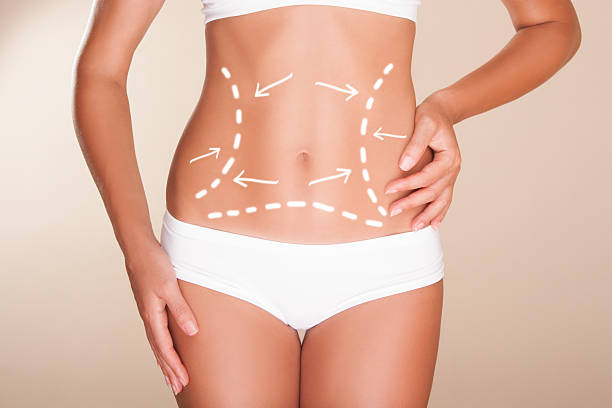
Choosing the right plastic surgeon for liposuction is an important decision for anyone looking to refine specific areas of the body and achieve more defined contours. Liposuction is a surgical body-contouring procedure that requires detailed knowledge of anatomy, tissue distribution, and proportion. For individuals researching their options, consulting the best plastic surgeon in abu dhabi can help provide a professional assessment of whether liposuction is appropriate and which approach may best match their body shape and aesthetic goals.
What Does Liposuction Do?
Liposuction is designed to remove localized deposits of fat from selected areas of the body. It is primarily a body-contouring procedure rather than a general weight-loss treatment. The purpose is to improve the shape and proportions of areas where stubborn fat may remain despite maintaining a stable lifestyle.
Depending on individual anatomy, liposuction may be considered for areas such as the abdomen, waist, thighs, arms, back, or other localized regions. The treatment plan should be based on the distribution of tissue and the patient’s desired outcome rather than a standard approach.
What Makes a Plastic Surgeon the Best Choice for Liposuction?
The best plastic surgeon for liposuction should have appropriate professional qualifications, relevant experience, a thorough understanding of body anatomy, and a strong sense of proportion. Technical skill is important because removing too much or too little tissue can affect the overall contour.
An experienced surgeon evaluates the body as a whole and considers how the treated area relates to surrounding regions. This approach helps create smoother transitions and more balanced contours instead of focusing exclusively on removing the largest possible amount of fat.
Why Experience With Body Contouring Matters
Liposuction requires precision and an understanding of how fat is distributed beneath the skin. Every patient has different tissue characteristics and body proportions, so the same approach cannot necessarily be applied to everyone.
A surgeon with extensive body-contouring experience can assess the thickness and distribution of localized fat, skin characteristics, and overall body shape. This knowledge helps determine where contouring may provide meaningful improvement and where conservative treatment may be more appropriate.
How Is the Right Liposuction Approach Determined?
The appropriate approach depends on several factors, including the location of localized fat, skin elasticity, body proportions, and the patient’s aesthetic goals. During a consultation, the surgeon evaluates these characteristics and develops a personalized treatment plan.
Some patients may have one clearly defined area they want to improve, while others may be concerned about the relationship between several areas. A comprehensive assessment helps the surgeon determine how to approach the body in a way that maintains overall harmony.
Why Is Personalized Treatment Important?
There is no universal definition of an ideal body contour. What looks proportionate on one person may look very different on another. Personalized liposuction planning allows the surgeon to consider individual anatomy and create an approach that complements the patient’s natural body shape.
The surgeon may evaluate the abdomen in relation to the waist, the thighs in relation to the hips, or the arms in relation to the shoulders. Looking at these relationships can help produce a more cohesive result.
Can Liposuction Improve Body Proportions?
Liposuction can improve the appearance of body proportions when localized fat contributes to an uneven or less-defined contour. By selectively reducing fat in specific areas, the body may appear more streamlined and balanced.
However, the goal should not be to create an unrealistic body shape. A skilled surgeon works within the patient’s natural anatomy and focuses on refinement. The most satisfying results often involve subtle improvements that enhance the body’s existing proportions.
Is Skin Elasticity Important for Liposuction?
Skin elasticity is an important consideration when evaluating someone for liposuction. After localized fat is reduced, the skin needs to adapt to the underlying contour. The quality and elasticity of the skin can therefore influence the expected appearance after treatment.
During consultation, the surgeon evaluates the skin and underlying tissues before recommending an approach. If excess or loose skin is a significant concern, the surgeon may discuss whether a different or additional body-contouring strategy would be more appropriate.
What Should You Discuss During a Liposuction Consultation?
A consultation should provide an opportunity to explain the areas that concern you and the type of contour you would like to achieve. The surgeon can then evaluate your body shape and determine whether liposuction is suitable.
It is useful to discuss the areas you want to refine, your desired level of change, and your expectations. The surgeon should also explain the proposed approach and clarify what kind of improvement can realistically be achieved based on your anatomy.
How Can You Evaluate a Surgeon’s Results?
When researching a plastic surgeon, reviewing examples of previous body-contouring results can provide insight into the surgeon’s aesthetic approach. Look for results that appear smooth, proportionate, and consistent with the patient’s original body structure.
It can also be helpful to consider whether the surgeon has experience treating different body types and multiple areas. A broad range of results may demonstrate the ability to adapt treatment to individual anatomy rather than relying on one particular contouring style.
What Role Does Communication Play?
Communication is an essential part of choosing a plastic surgeon. Patients should feel comfortable describing their concerns and asking questions about the proposed treatment. The surgeon should listen carefully and provide clear information about what liposuction can and cannot accomplish.
A good consultation is not simply about receiving a recommendation. It is an opportunity to understand the reasoning behind the treatment plan and determine whether the surgeon’s approach aligns with your goals.
Who Is an Ideal Candidate for Liposuction?
Liposuction may be considered by individuals who have localized areas of fat that remain disproportionate despite maintaining a relatively stable body weight. It is generally intended for body contouring rather than broad weight reduction.
Suitability varies from person to person. Factors such as skin quality, fat distribution, body proportions, personal expectations, and overall health should be evaluated before treatment. A professional consultation is therefore essential for determining whether liposuction is appropriate.
Choosing the Best Plastic Surgeon for Liposuction
Finding the best plastic surgeon for liposuction involves looking beyond simple popularity. Professional qualifications, specialized experience, knowledge of body anatomy, attention to proportion, personalized treatment planning, and clear communication are all important considerations.
The right surgeon should understand that successful liposuction is about shaping the body rather than simply removing fat. By assessing the entire body and developing a tailored approach, an experienced plastic surgeon can work toward smoother, more balanced, and natural-looking contours.
Frequently Asked Questions
How do I know who is the best plastic surgeon for liposuction?
Look for a qualified plastic surgeon with substantial experience in body contouring, a strong understanding of anatomy, and an individualized approach. A thorough consultation can help you assess whether the surgeon’s expertise matches your goals.
Is liposuction a weight-loss procedure?
No. Liposuction is primarily designed to improve body contours by addressing localized deposits of fat. It is not intended to replace weight-management strategies or serve as a general weight-loss procedure.
Can liposuction treat several body areas?
Liposuction can potentially address multiple areas, depending on the individual’s anatomy and treatment goals. The surgeon determines the appropriate areas and overall approach during a personalized assessment.
Does skin elasticity affect liposuction results?
Yes. Skin elasticity can influence how well the skin adapts to the underlying contour after localized fat is reduced. A surgeon evaluates skin characteristics as part of the treatment-planning process.
What should I consider before choosing a liposuction surgeon?
Consider professional qualifications, relevant experience, body-contouring expertise, previous results, individualized planning, and communication. The surgeon should understand your goals and provide a realistic assessment of what liposuction can achieve for your specific body shape.
