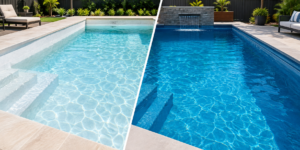
Choosing the right plaster is an important part of building or resurfacing a swimming pool. The plaster covers the inside of the pool and plays a big role in how the water looks. It can also affect the overall style and feel of your pool.
White and colored pool plaster are two common choices. White plaster gives a clean and classic look, while colored plaster can create a deeper or more custom water color. Both options can look great, but they are not the same.
If you are looking for the best pool plaster, it is helpful to understand the differences between these two finishes before making your choice. Your pool design, budget, maintenance needs, and preferred water color should all be part of the decision.
What Is Pool Plaster?
Pool plaster is the final surface placed inside a concrete or gunite pool. It creates a smooth layer between the pool structure and the water.
Traditional pool plaster is usually white. It is made with cement and fine materials such as marble. Colored plaster is made in a similar way but has added color pigments that change the look of the finished surface.
The plaster does more than make the pool look good. It also needs to handle water, pool chemicals, cleaning, and regular use. This is why choosing the best pool plaster means looking at both appearance and long-term care.
What Is White Pool Plaster?
White pool plaster has been used in swimming pools for many years. It is still a popular choice because of its simple and clean appearance.
The light surface reflects sunlight and can make the water look bright blue. The exact water color will depend on the pool’s depth, lighting, water level, and surroundings.
Benefits of White Pool Plaster
Clean and simple look: White plaster gives your pool a fresh and classic appearance.
Bright water color: The light surface can make the water look clear and bright.
Works with many designs: White plaster can match different types of tile, coping, decking, and landscaping.
Classic choice: If you like the traditional pool look, white plaster is a simple option.
Often more affordable: Standard white plaster can cost less than some upgraded or colored finishes, although the final price depends on the pool and installation.
White plaster is a good choice for homeowners who want a simple finish without adding a strong color to the pool.
What Is Colored Pool Plaster?
Colored pool plaster gives you more choices when it comes to the look of your pool. Color is added to the plaster mix to create different shades.
Some popular choices include light blue, gray, dark blue, and green. The final color of the water can look different from the color of a dry plaster sample.
Pool depth, sunlight, water color, lighting, and the area around the pool can all change how the finish looks.
Benefits of Colored Pool Plaster
More color choices: You can choose from different shades instead of using only traditional white.
Different water looks: Some colors can give the water a soft blue appearance, while darker colors can make it look deeper.
Modern style: Colored plaster can work well with modern pool designs and natural outdoor spaces.
More design options: You can use the plaster color to create a certain look or feel for the pool area.
If the appearance of your pool is very important to you, colored plaster may be worth considering when choosing the best pool plaster.
White vs. Colored Pool Plaster: What Is the Difference?
The main difference is the way each finish changes the look of the pool. However, there are several other things to think about before choosing one.
1. Water Color
White plaster usually creates a bright and light blue water color. This is one reason why it remains a popular choice.
Colored plaster gives you more options. A light blue finish can create a soft blue look, while gray or darker finishes can create deeper blue or blue-green water.
Keep in mind that the same plaster color can look different in two pools. Pool depth, sunlight, water conditions, and surrounding colors can all make a difference.
If possible, look at pictures of completed pools with the same plaster finish instead of relying only on a small sample.
2. Stains and Discoloration
Pool plaster can develop stains or color changes when water chemistry is not kept in the right range.
White plaster can make stains and surface changes easier to notice. While this may not always look ideal, it can also help you spot a problem early.
Colored plaster may make some small changes less noticeable, depending on the color. However, colored plaster is not free from stains or water-related problems.
Both types need proper pool care and balanced water.
3. Maintenance
Both white and colored plaster require regular care.
Good water chemistry is important for keeping the plaster in good condition. Water that is not properly balanced can lead to problems such as stains, scaling, rough surfaces, or early wear.
Regular brushing, cleaning, filtration, and water testing can help protect your pool finish.
When deciding on the best pool plaster, think about your normal pool maintenance routine and how much time you want to spend caring for the surface.
4. Cost
White plaster is usually one of the more budget-friendly pool finish choices. Colored plaster may cost more because of the added pigments and the type of finish selected.
However, the cheapest option is not always the right choice for every pool.
Think about how long you plan to keep the pool, the look you want, and your overall pool budget. It is also a good idea to get a complete estimate that includes materials, labor, surface preparation, and any extra finish options.
5. Pool Design
White plaster is easy to match with almost any pool style. It can work well with both traditional and simple modern designs.
Colored plaster can help you create a more specific look. Darker finishes can give a pool a bold appearance, while lighter colors can create a softer feel.
Do not choose the plaster color by itself. Look at your pool tile, coping, deck, landscaping, lighting, and other outdoor features at the same time.
Does White or Colored Plaster Last Longer?
The color of pool plaster does not automatically decide how long it will last.
Several things can affect the life of a pool finish. These include the quality of the materials, surface preparation, installation, water chemistry, cleaning, and regular pool use.
A well-installed plaster finish that is properly maintained can last for many years. Poor water balance can cause problems with both white and colored finishes.
For this reason, installation and maintenance are just as important as the color when choosing the best pool plaster.
Is Dark Pool Plaster a Better Choice?
Dark pool plaster has become a popular option for homeowners who want a modern pool design. It can give the water a deeper and richer appearance.
However, darker finishes may show certain surface changes or discoloration differently from white plaster. The final look can also change based on sunlight and the colors around the pool.
If you are thinking about using a dark finish, look at completed pools with a similar color. This will give you a better idea of what the finished pool may look like in real life.
How to Choose the Best Pool Plaster
There is no single pool plaster that works perfectly for every pool. The right choice depends on what you want from your pool finish.
Before making a decision, ask yourself these questions:
- What water color do I want?
- Do I prefer a classic or modern look?
- What is my budget?
- How much pool maintenance am I willing to do?
- Will the plaster work well with my tile and coping?
- Does the finish match the overall pool design?
- Can I see examples of the finish in completed pools?
- What care does the manufacturer recommend?
You should also talk with an experienced pool professional before making your final choice. They can help you understand the available finishes and explain what may work best for your pool.
White or Colored Plaster: Which One Should You Choose?
White plaster may be a good choice if you want a bright, clean, and traditional pool. It is also worth considering if you want a simple finish that works with many different pool designs.
Colored plaster may be a better fit if you want more control over the appearance of your pool. It can create different shades of blue, gray, or other colors and can give the pool a more custom look.
Neither option is automatically better.
The best pool plaster for your pool depends on your design, budget, preferred water color, and maintenance plans.
Final Thoughts
White and colored pool plaster can both create an attractive finish. White plaster gives a clean and classic appearance, while colored plaster gives you more choices for creating a specific look.
Before choosing your finish, think about the color you want, the style of your pool, your budget, and the amount of maintenance you are willing to handle. It is also important to choose quality materials and make sure the plaster is installed correctly.
If you are planning a new pool or looking for help with your pool project, you can also learn more from experienced Pool builders Palm Beach Gardens when planning your pool design and finish.
In the end, the best pool plaster is the one that fits your pool, your style, and your long-term needs.