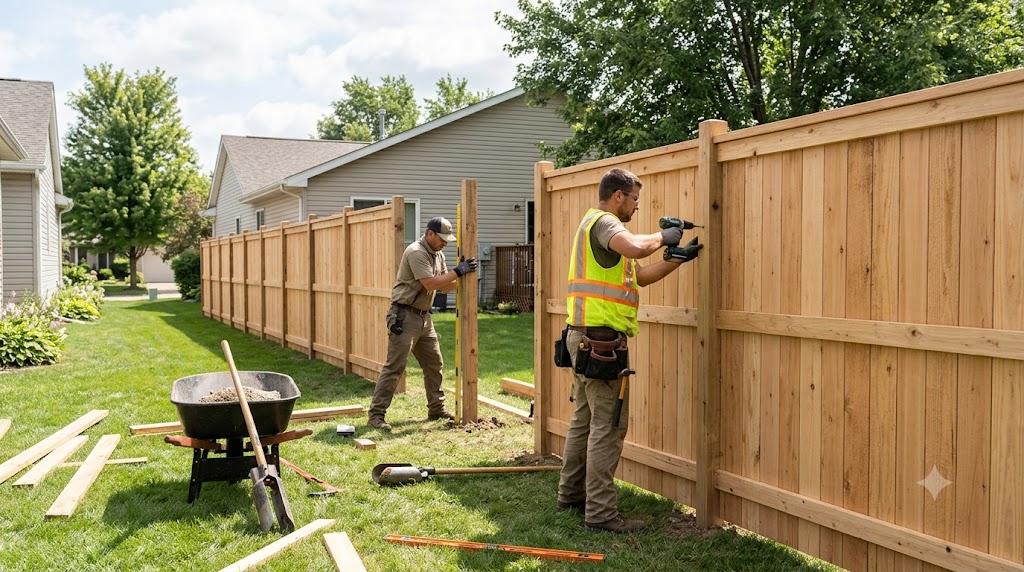
Installing a fence involves decisions about design, materials, property boundaries, gates, and installation methods. Even a straightforward residential project requires careful coordination to ensure the finished structure meets your expectations. Choosing an experienced contractor helps you evaluate these details before work begins and reduces the risk of unexpected problems.
When comparing a fence company in Chelmsford, MA, look beyond the advertised price. Consider the contractor’s experience, communication, proposed materials, installation process, and willingness to explain the details of the estimate. These factors help you determine whether the proposed solution suits your property and budget.
Start With a Clear Project Scope
Before requesting estimates, identify the purpose of your fence. A contractor can recommend more appropriate options when you explain your priorities.
For example, a privacy fence around a backyard requires different materials and construction details from a decorative front-yard enclosure. A fence designed to contain pets must also account for gaps, gate security, and the animal’s behavior.
Prepare a short list of project requirements, including:
- The approximate fence location and desired length.
- Preferred height, style, and material.
- The number and intended use of gates.
- Privacy, security, or decorative priorities.
- Known slopes, obstacles, and landscaping concerns.
- Your preferred project timeline.
This information helps contractors develop estimates based on comparable requirements.
Evaluate Contractor Experience and Communication
A contractor’s relevant experience provides insight into their ability to handle your project. Ask about previous installations involving similar materials, terrain, fence heights, and property layouts.
Request examples of completed work when available. Look for consistent alignment, secure gate installation, neat transitions, and an overall finish that matches the intended design. You can also request references from homeowners with completed local fencing projects to learn about the contractor’s workmanship, communication, and ability to meet agreed timelines.
Communication matters just as much as workmanship. A reliable contractor should explain the installation process, identify potential challenges, and answer questions without leaving important details unclear.
Before signing an agreement, confirm who will coordinate the work, how schedule changes will be communicated, and how concerns will be handled. Ask the contractor to provide proof of general liability insurance and workers’ compensation coverage. General liability insurance helps address covered property damage or injury claims, while workers’ compensation generally covers eligible work-related employee injuries. Confirm the applicable coverage and verify that the policies are current before work begins.
Compare Estimates Beyond the Total Price
A low estimate is not automatically the best value. Two proposals might differ significantly in material quality, post specifications, site preparation, removal of an existing fence, or cleanup.
Ask each contractor to describe the work included in the quoted price.
A useful estimate should identify:
- Fence material, style, and approximate dimensions.
- Post and gate specifications, including the proposed post depth and how it may vary according to fence height, soil conditions, frost exposure, and manufacturer requirements.
- Installation and site-preparation work, including who is responsible for contacting the appropriate utility-locating service before digging.
- Removal and disposal of existing fencing, if required.
- Permit-related responsibilities, where applicable.
- Payment terms and anticipated scheduling, including any lien waiver requirements and whether final payment is conditional on completion of the agreed work and receipt of appropriate lien waivers.
- Warranty coverage and applicable exclusions.
Clarify whether additional charges could arise from difficult soil, unexpected obstacles, or changes to the original layout. A detailed written proposal makes comparisons more meaningful.
Select Materials for Chelmsford’s Conditions
New England weather brings moisture, temperature changes, snow, and seasonal storms. The material you select should suit these conditions and your maintenance preferences.
Wood fencing offers a natural appearance and considerable design flexibility. It requires periodic inspections and, depending on the species and finish, staining or sealing to protect against weather exposure.
Vinyl fencing provides a consistent finish with relatively little routine maintenance. Proper installation and suitable materials remain important for long-term performance.
Aluminum fencing works well when you want an attractive boundary without blocking views. It is commonly used around gardens, front yards, and landscaped areas.
Chain-link fencing provides practical containment for pets and utility areas. Privacy accessories are available for some systems, but their appearance and maintenance requirements should be considered before installation.
Ask the contractor to explain each material’s expected upkeep, repair options, and suitability for your intended use.
Confirm Property Boundaries and Local Rules
Before installation, establish where the fence will sit relative to your property line. Existing landscaping and old fencing do not necessarily identify the legal boundary accurately.
Review your property records and arrange a professional survey if the boundary is uncertain. This is especially important when the proposed fence is close to a neighbor’s property.
You should also confirm applicable Chelmsford requirements regarding height, placement, permits, and visibility near driveways or streets. Easements and neighborhood association rules can introduce additional restrictions.
Determine who will check applicable requirements and obtain any necessary approvals. Responsibilities should be clear before installation starts.
Understand the Installation and Warranty
Ask how the contractor will prepare the site, set posts, handle slopes, and align gates. Proper post placement and secure gate hardware contribute to the fence’s stability and usability.
Discuss expected start and completion dates, weather-related delays, and access requirements. Confirm how the site will be cleaned and whether removed materials will be hauled away.
Review the written warranty carefully. Understand which materials and workmanship are covered, how long coverage lasts, and what conditions could invalidate it. Keep your agreement and relevant product documentation for future reference.
Make an Informed Contractor Decision
Hiring the right fencing professional involves comparing workmanship, communication, materials, project details, and overall value. A thorough evaluation helps you avoid choosing a proposal based solely on its initial price.
If you are planning a fence in Chelmsford, define your goals, request detailed written estimates, and verify property and local requirements before committing. Choose a qualified contractor who explains the work clearly and provides a practical plan for completing your project.
For additional information about available fencing options and installation services, explore this guide to fence installation and contractor services in Chelmsford.