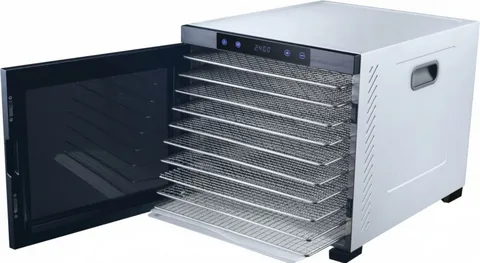
Food dehydration is an effective method of preserving food by removing moisture, which inhibits the growth of bacteria and mould. This process extends the shelf life of various foods while retaining their nutrients and enhancing their flavours. A dehydrator machine is specifically designed to simplify this process, offering precise control over drying conditions for optimal results. With numerous models and features available, understanding the functionality and benefits of these machines is essential for those seeking a practical and efficient solution for food preservation.
Understanding Food Dehydration
Food dehydration is a preservation process that eliminates water content from food, effectively slowing the growth of bacteria, yeast, and mould. This method extends the shelf life of various foods without requiring artificial preservatives. Dehydrated food retains its natural flavours and nutrients, making it a practical and healthy option for long-term storage. By reducing weight and volume, dehydrated items are also more convenient to store and transport. Additionally, this process allows seasonal foods to be enjoyed year-round, thereby minimising food waste.
Types of Food Dehydration Machines
Food dehydration machines are designed in various styles to cater to different needs. Stackable tray dehydrators are compact and adjustable, making them suitable for smaller spaces and lighter workloads. Shelf dehydrators, on the other hand, ensure consistent airflow, allowing for even drying across all levels, which is advantageous for more frequent or larger batches. Commercial-grade models are built for heavy-duty use, offering greater capacity and durability for extensive food processing. Each type is tailored to specific preferences, whether for occasional home use or professional applications.
Additionally, differences in design and functionality, such as horizontal or vertical airflow systems, influence efficiency and convenience. This variety allows individuals to select a machine that meets their requirements, ensuring effective food dehydration for both personal and commercial use.
Key Features of the Best Dehydrator
Temperature control is an essential feature, enabling precise adjustments to suit various food types and ensure even drying. Adjustable settings cater to delicate items like herbs and sturdier options such as meats, maintaining quality across all applications. Capacity is another key consideration, as models vary in their ability to accommodate small household needs or larger-scale requirements. Efficient airflow systems, whether horizontal or vertical, are designed to distribute heat evenly, preventing uneven drying.
Ease of assembly and intuitive controls enhance functionality, ensuring smooth operation. Noise levels should also be considered, as quieter models provide a more comfortable environment during extended use. Durability is a notable aspect, with materials such as stainless steel offering greater longevity and reliability. Transparent doors or windows allow monitoring progress without interrupting the process. These features in the best dehydrator collectively contribute to a seamless and effective food dehydration experience.
Benefits of Using a Dehydration Machine
Dehydration machines preserve food while maintaining its nutritional integrity, retaining essential vitamins and minerals that are often lost through other methods. This makes them ideal for creating healthier, preservative-free alternatives to store-bought snacks. By reducing food waste, these machines contribute to sustainable consumption, allowing surplus produce to be stored for the long term. They also offer convenience by creating lightweight, compact foods suitable for storage or transport. Moreover, dehydrated items can serve diverse culinary purposes, including as ingredients in meals or as on-the-go snacks.
Energy Efficiency in Dehydration Machines
Energy efficiency is an important factor when evaluating dehydration machines, as it impacts both operational costs and environmental considerations. Machines designed with low wattage can achieve effective drying while consuming less energy, making them cost-effective for prolonged use. Shorter drying times also improve efficiency, reducing the electricity required per batch.
Some models are equipped with advanced technology, such as timers and thermostats, to optimise energy usage by controlling drying cycles more precisely. Insulated designs further minimise heat loss, ensuring consistent performance while conserving energy. Choosing an energy-efficient machine not only lowers long-term costs but also supports sustainable practices, aligning with environmentally conscious lifestyles. By prioritising these features, users can achieve reliable dehydration results without unnecessary energy consumption, highlighting the practicality of modern food preservation technologies.
Ease of Use and Maintenance
Dehydration machines are designed with user-friendly features to streamline operation and upkeep. Simple controls and clear labelling enable precise adjustments, ensuring efficient performance without unnecessary complexity. Machines with modular components, such as removable trays, facilitate easy cleaning and reassembly.
Non-stick surfaces on trays and interiors reduce residue build-up, minimising maintenance efforts. Compact designs with stackable or collapsible elements save space when not in use. Proper care, including regular inspection of parts and cleaning after each use, promotes consistent functionality and longevity.
Well-ventilated designs also aid in effortless maintenance, as proper airflow prevents food particles from becoming trapped. Some machines incorporate dishwasher-safe components, further simplifying the cleaning process.
By focusing on ease of use and straightforward upkeep, these machines ensure seamless integration into daily routines while maintaining reliable performance over time.
Safety Features in Dehydration Machines
Safety features in dehydration machines are integral to their design, ensuring secure and reliable operation. Many models include overheat protection, which automatically shuts off the machine when it reaches unsafe temperatures. Non-slip bases enhance stability during use, reducing the risk of accidents on smooth surfaces.
Cool-touch exteriors are another useful feature that prevents burns during operation, particularly at high-temperature settings. Some machines are equipped with built-in timers that stop the drying process after a set duration, offering additional safety and precision.
These features work together to minimise potential hazards, creating a safer and more convenient food preservation process. Moreover, robust construction materials, such as heat-resistant plastics or metals, enhance the machine’s durability and safety. Attention to these elements ensures that dehydration machines meet high safety standards and deliver consistent performance.
Versatility of Dehydration Machines
Dehydration machines demonstrate remarkable versatility by accommodating a wide range of food items, including fruits, vegetables, herbs, meats, and even flowers for decorative purposes. Their adjustable trays and temperature settings allow for precise customisation, ensuring optimal drying conditions for different textures and moisture levels. This adaptability supports the creation of diverse culinary items, from dried fruit snacks to jerky and powdered herbs.
Additionally, the machines are suitable for various food preservation projects, catering to both small-scale domestic use and larger-scale preparations, enhancing their functionality across multiple scenarios. This multi-purpose nature makes dehydration machines practical tools for culinary creativity and efficient food storage, offering solutions tailored to varying preferences and requirements without compromising on performance or quality.
Choosing the Best Food Dehydrators for Your Needs
Selecting the best food dehydrators involves analysing key factors, such as the quantity and types of food to be dehydrated. Machines with higher capacity are ideal for larger batches, while compact models suit smaller spaces or occasional use. The frequency of operation also influences the choice, with more robust designs better suited to frequent use. Features like adjustable temperature controls and airflow systems should align with specific drying requirements.
Additionally, the machine’s construction and ease of maintenance are vital considerations, ensuring long-term reliability and convenience. By evaluating these factors, individuals can make an informed decision tailored to their unique food preservation needs.
Long-term Benefits of Owning a Dehydration Machine
Owning a dehydration machine offers practical benefits, supporting healthier food preservation without artificial additives. It allows for the extended storage of seasonal produce, reducing spoilage and ensuring a consistent supply of ingredients throughout the year. Preserving surplus food promotes sustainable practices and reduces waste.
Additionally, the machine’s ability to create lightweight, compact items facilitates efficient storage and transport. Its versatility in preparing a wide range of foods, from snacks to meal components, enhances its functionality, making it a valuable tool for culinary and storage needs.
Over time, the use of such machines can also contribute to cost savings, minimising reliance on commercially processed options while maintaining quality and nutritional value in preserved foods.
Common Misconceptions about Food Dehydration
Food dehydration is often misunderstood, with some assuming it reduces food’s nutritional value. In reality, dehydration preserves most vitamins and minerals, maintaining the health benefits of fresh produce. Another misconception is that dehydration machines are difficult to operate, but modern designs feature straightforward controls and user-friendly settings.
Additionally, it is sometimes believed that dehydrated food lacks flavour; however, the process can concentrate natural tastes, enhancing their intensity. These misunderstandings can deter individuals from fully utilising the benefits of food dehydration.
Maximising the Potential of a Food Dehydration Machine
Efficient use of a food dehydration machine can be achieved by preparing ingredients correctly. Slicing foods into uniform pieces ensures consistent drying, preventing under- or over-dried sections. Pre-treating certain foods, such as blanching vegetables or marinating meats, can enhance their flavour and texture once dried. Organising trays to avoid overcrowding allows for proper airflow and even dehydration.
Dehydrated foods can be creatively incorporated into various dishes. For instance, dried fruits can complement baked goods, while vegetables and herbs can serve as flavourful additions to soups or stews. Proper storage, such as airtight containers, maintains the quality and longevity of dried foods.
Exploring new uses, such as creating seasoning blends from dried herbs or powdered fruits, further highlights the versatility of these machines, broadening their culinary applications and effectively preserving a wide range of ingredients.
Conclusion
Selecting the ideal dehydrator machine involves evaluating capacity, precise temperature control, and efficient horizontal or vertical airflow systems tailored for Australian kitchens. High-quality dehydrators preserve vital nutrients, enzymes, and natural flavours without chemical additives, allowing households to extend the shelf life of seasonal fruits, vegetables, herbs, and meats. Energy-efficient designs, quiet motors, and safety features like automatic shut-off and cool-touch exteriors enhance everyday convenience. By investing in a durable, easy-to-clean dehydration machine, individuals can reduce food waste, prepare healthy homemade snacks like jerky and fruit roll-ups, and enjoy sustainable, cost-effective long-term food preservation solutions.
FAQs
How does a food dehydrator machine preserve fresh ingredients?
A food dehydrator machine uses low, controlled heat combined with internal airflow fans to gently evaporate moisture from produce. Removing moisture halts microbial growth, preventing yeast, mould, and bacteria from spoiling the food. This process dramatically extends shelf life while retaining essential vitamins, minerals, and natural flavours for long-term storage across Australia.
What key features should I look for when buying a dehydrator?
Prioritise accurate adjustable temperature controls, an integrated timer, and an efficient airflow system. Horizontal airflow models ensure uniform heat distribution across all trays without requiring tray rotation. Consider capacity needs, durable stainless steel tray construction, quiet operation, transparent viewing windows, and safety features like overheat protection and automatic shut-off mechanisms.
Does dehyration destroy the nutritional value of food?
No, food dehydration retains almost all the original vitamins, minerals, and living enzymes found in fresh produce. Because the process relies on gentle, low temperatures rather than high heat cooking, sensitive nutrients like vitamin C and antioxidants remain intact. The removal of water merely concentrates natural sugars, flavours, and vital nutrients.
What types of food can I process in a dehydration machine?
Dehydration machines are exceptionally versatile, allowing you to dry sliced apples, bananas, berries, tomatoes, mushrooms, leafy greens, and fresh garden herbs. You can also craft homemade beef or kangaroo jerky, dry citrus wheels for beverages, make natural fruit leathers, make healthy pet treats, and even dry flowers or crafts effortlessly.
How should I store dehydrated food to ensure maximum shelf life?
Allow dehydrated foods to cool completely before storing them in airtight glass jars, vacuum-sealed bags, or sealed food-grade containers. Store the containers in a cool, dark, and dry pantry away from direct sunlight and humidity. Properly dried and stored foods can maintain optimal quality and nutritional value for many months across Australia.
| Related Business Listings |
| Contact Directory |
| Local Business Profiles |