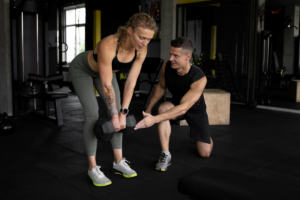
Choosing the right fitness professional can make the difference between struggling with workouts and making steady, measurable progress. Whether you want to build strength, lose weight, improve endurance, or maintain a healthy lifestyle, the person guiding your training matters. A Certified Fitness Trainer can help you develop effective exercise habits, learn proper techniques, and work toward realistic goals. However, credentials alone are not enough. Understanding the qualities that make a trainer reliable will help you choose someone who supports your needs, safety, and long-term success.
Check Professional Certifications and Qualifications
One of the first things to consider when hiring a fitness professional is their education and certification. Although experience matters, recognized credentials demonstrate that a trainer has studied exercise principles, training methods, and essential safety practices.
In the United States, several organizations offer respected personal training certifications, including the American Council on Exercise (ACE), the National Academy of Sports Medicine (NASM), and the American College of Sports Medicine (ACSM).
A qualified professional should be willing to explain their credentials and where they earned them. Depending on the certifying organization, you may also be able to verify certification status online.
Look Beyond the Certificate
Ask whether the trainer maintains an active certification and completes continuing education. Fitness research, exercise recommendations, and training practices evolve, so ongoing learning is valuable.
It is also helpful to check whether the professional holds current CPR and AED credentials. These qualifications can be especially important when training in a gym, studio, or other environment where immediate emergency assistance may be necessary.
Remember that a certificate is a starting point, not a guarantee of excellent coaching. The best professionals combine formal education with sound judgment, communication skills, and practical experience.
Evaluate Experience Relevant to Your Goals
Not every trainer specializes in the same type of fitness. Someone who primarily works with competitive athletes may approach training differently from a professional who helps beginners establish consistent exercise routines.
Before making a decision, identify your main objective. You might want to improve cardiovascular fitness, increase muscle strength, prepare for a recreational race, or return to regular activity after a long break.
Then ask potential trainers about their experience helping clients with similar goals. Request specific examples of how they have adapted workouts to different abilities, schedules, or training challenges.
Match Their Expertise to Your Needs
A trainer who regularly works with beginners may be particularly helpful if you feel uncomfortable in a gym. Someone with experience in strength training may be a better fit if your primary goal is to improve lifting technique and build muscle.
For older adults, clients with disabilities, or people managing health-related exercise limitations, relevant specialized training is important. A trainer should recognize the boundaries of their professional role and coordinate with qualified healthcare providers when appropriate.
Rather than choosing someone solely because they have many years of experience, look for evidence that their expertise matches your situation.
Look for Personalized Workout Programs
An effective exercise program should reflect your current fitness level, goals, available equipment, schedule, and preferences. A professional who gives every client the same routine may overlook important differences in ability and training needs.
During an initial consultation, your trainer should ask questions about your exercise history, previous injuries, activity levels, and the results you hope to achieve. They should also discuss how much time you can realistically dedicate to exercise each week.
This information helps create a program that challenges you without overwhelming you.
Make Sure the Plan Can Adapt
Your training needs will change as your strength, endurance, and confidence improve. A good trainer monitors your progress and adjusts exercises, resistance, repetitions, and recovery periods when necessary.
For example, a beginner who struggles with standard push-ups might start with wall push-ups or an elevated surface. As technique and strength improve, the trainer can gradually introduce more challenging variations.
Personalization also means respecting your preferences. If you dislike running, your program might use cycling, brisk walking, swimming, or another suitable activity to develop cardiovascular fitness.
The objective is to build a practical routine you can follow consistently, rather than forcing you into a plan that does not fit your life.
Prioritize Exercise Safety and Proper Technique
Correct exercise technique helps you train the intended muscles and manage unnecessary strain. Therefore, a professional should demonstrate movements clearly, observe how you perform them, and provide understandable corrections.
A trainer should also explain how to adjust exercises when a movement feels uncomfortable or exceeds your current ability. They should never pressure you to continue through sharp pain, dizziness, or other concerning symptoms.
Notice How They Supervise Your Workouts
During a trial session, observe whether the trainer pays attention to your movement instead of focusing entirely on their phone or other clients.
For strength exercises, they should explain important details such as posture, movement range, breathing, and appropriate resistance. They should also allow sufficient recovery between demanding sets.
Warm-ups, gradual progression, and recovery planning are additional signs of responsible coaching. While no professional can eliminate every risk, appropriate supervision can help you develop safer exercise habits.
If you have a medical condition, persistent pain, or a recent injury, consult a qualified healthcare professional about exercise restrictions. Your trainer should respect those recommendations rather than attempting to diagnose or treat a medical problem outside their scope.
Assess Communication and Listening Skills
Technical knowledge is important, but a trainer must also communicate effectively. You should feel comfortable asking questions, discussing difficulties, and admitting when an exercise is confusing.
A reliable professional listens before offering solutions. They explain why an exercise belongs in your program and help you understand how it contributes to your goals.
Clear communication also includes honest feedback. Instead of criticizing your performance, a supportive trainer identifies what needs improvement and provides practical guidance.
Look for Respectful, Encouraging Coaching
People respond differently to coaching styles. Some prefer direct instructions, while others appreciate frequent encouragement and detailed explanations.
A good trainer discusses these preferences and adjusts their approach when possible. They should challenge you appropriately without using humiliation, unrealistic promises, or guilt as motivation.
Pay attention to how they respond when you need a lighter workout or struggle to complete a movement. Their reaction can reveal whether they prioritize your development or simply expect you to follow instructions without discussion.
Trust and mutual respect create a better environment for learning, especially when you are building confidence or returning to exercise after a long break.
Compare Training Services and Delivery Options
Fitness professionals may offer one-on-one sessions, small-group workouts, in-person coaching, or online training. Each option has advantages, so the right choice depends on your budget, schedule, learning preferences, and need for supervision.
In-person sessions allow a trainer to observe your movements directly and provide immediate corrections. Small-group sessions can offer social motivation, although individual attention may be more limited.
Online coaching can be convenient if you travel frequently, prefer exercising at home, or need a flexible schedule. However, remote coaching requires clear communication and an appropriate method for reviewing technique and progress.
Compare What Each Service Includes
Before purchasing a package, clarify the session length, program updates, communication arrangements, cancellation policy, and any additional charges.
The following table can help you compare important qualities when evaluating a potential trainer.
| Quality to Evaluate | What to Look For | Why It Matters |
|---|---|---|
| Credentials | Recognized certification and current qualifications | Supports professional competence |
| Relevant experience | Work with clients who share your goals | Improves the relevance of coaching |
| Personalized planning | Programs based on ability and objectives | Makes training more practical |
| Safety practices | Technique guidance and appropriate progression | Helps manage exercise risks |
| Communication | Clear instructions and active listening | Makes workouts easier to understand |
| Progress tracking | Regular reviews and measurable targets | Shows whether the plan is working |
| Flexibility | Suitable scheduling and delivery options | Supports long-term consistency |
| Transparent pricing | Clear fees, policies, and package details | Helps prevent unexpected costs |
A higher price does not automatically indicate better coaching. Compare the service you receive, the trainer’s qualifications, and the level of individual attention before deciding.
Understand How Progress Will Be Measured
A professional should help you understand whether your training is producing meaningful improvements. However, progress involves more than body weight or appearance.
Depending on your goals, useful measurements may include the number of repetitions you can perform with good technique, the distance you can walk comfortably, your exercise consistency, or improvements in balance and mobility.
Your trainer should establish realistic milestones and explain how progress will be reviewed. These measurements provide useful feedback and help identify when a program needs adjustment.
Focus on Sustainable Results
Fitness improvements rarely follow a perfectly straight line. Busy weeks, illness, travel, sleep difficulties, and changes in motivation can affect performance.
A responsible trainer recognizes these challenges and helps you adapt without treating every setback as a failure. They may adjust your weekly workload, introduce manageable targets, or help you establish a more consistent routine.
Be cautious of professionals who guarantee rapid weight loss, promise specific physical changes within a fixed period, or insist that one training method works for everyone.
Long-term progress usually depends on consistency, appropriate exercise, recovery, and habits that fit your circumstances. Your trainer should help you understand that process rather than sell unrealistic expectations.
Review Professional Boundaries and Client Respect
Your relationship with a trainer should remain professional, respectful, and focused on your goals. This includes protecting your personal information, respecting your physical boundaries, and discussing exercise choices without judgment.
A trainer may ask about your health history, lifestyle, and previous activity levels to develop a suitable program. However, they should explain why sensitive information is needed and handle it responsibly.
They should also respect your right to decline an exercise, ask for an alternative, or stop a session when you feel uncomfortable.
Recognize Warning Signs Before Committing
Certain behaviors should make you reconsider a training arrangement. These include refusing to explain credentials, ignoring pain, making guaranteed-result claims, pressuring you into expensive packages, or dismissing professional medical advice.
Another concern is a trainer who promotes extreme diets, unverified supplements, or exercise routines that seem inappropriate for your ability. Fitness professionals should work within their qualifications and refer clients to registered dietitians or healthcare providers when specialized advice is needed.
Trust your judgment during the consultation. A trainer may have impressive credentials, but you should still feel safe, respected, and comfortable working with them.
Ask Practical Questions Before Your First Session
An introductory consultation gives you an opportunity to assess whether a trainer is suitable before making a financial commitment. Use the conversation to understand their approach, expectations, and availability.
Consider asking:
- Which certifications do you currently hold, and how do you maintain them?
- Have you worked with clients who have goals similar to mine?
- How will you assess my starting fitness level?
- How do you modify exercises when a client struggles or experiences discomfort?
- How will we measure progress and adjust my program?
- What are your session fees, cancellation rules, and package terms?
You do not need to ask every question at once. Focus on the areas most relevant to your circumstances and pay attention to how clearly the trainer responds.
If possible, request a trial session or an initial consultation before purchasing a long-term package. This allows you to observe their coaching style, organization, and attention to detail.
Ultimately, the best choice is someone whose qualifications, methods, and personality make you confident about beginning or continuing your fitness journey.
Conclusion
Choosing a professional fitness trainer involves more than comparing prices or looking for impressive credentials. You need someone who understands your goals, creates a personalized exercise plan, prioritizes safety, communicates clearly, and measures progress realistically. A qualified professional should also respect your boundaries and help you develop habits that remain practical beyond individual training sessions. Before committing, review certifications, discuss your expectations, and arrange an introductory meeting whenever possible. Taking time to evaluate these qualities can help you find a trainer who supports steady improvement, builds your confidence, and makes regular exercise a sustainable part of your life.
Frequently Asked Questions
1. What qualifications should a professional fitness trainer have?
Look for a recognized personal training certification from an established organization such as ACE, NASM, or ACSM. Current CPR and AED credentials are also valuable. Verify the trainer’s qualifications and ask about experience relevant to your goals.
2. How do I know if a trainer is right for my fitness goals?
Choose someone who has experience with similar objectives, listens to your concerns, and develops a plan suited to your current ability. An introductory consultation or trial session can help you evaluate their communication style and coaching approach.
3. Is an online fitness trainer as effective as an in-person trainer?
Online coaching can be effective when the trainer provides personalized programming, regular feedback, and a reliable way to monitor progress. In-person sessions may be preferable if you need more direct supervision while learning unfamiliar exercises.
4. How much should I pay for a professional fitness trainer in the United States?
Prices vary by location, qualifications, session length, and service type. Compare local rates, package terms, and what each service includes rather than choosing based on price alone. Ask about introductory sessions and cancellation policies before committing.
5. How often should I work with a fitness trainer?
The ideal frequency depends on your goals, experience, budget, and ability to exercise independently. Some people benefit from several supervised sessions each week, while others prefer weekly or occasional sessions alongside their own workouts. Your trainer can help you choose a realistic schedule.