Getting ready for your first skin treatment can bring both excitement and curiosity. Learning what happens during the appointment helps you feel more relaxed and prepared. Many people choose Ipl photofacial to address uneven skin tone, sun damage, and redness without surgery. Understanding every stage of the process allows you to know what your provider will do and how your skin may respond afterward.
Understanding How a Photofacial Works
A photofacial uses carefully controlled pulses of broad-spectrum light to target unwanted pigmentation, visible blood vessels, and other skin concerns. The light reaches below the skin’s surface without harming surrounding tissue. Your body naturally removes the treated pigment over time, creating a smoother and more balanced appearance. The treatment is commonly performed on the face, neck, chest, and hands. Most sessions are relatively short, making them convenient for people with busy schedules and minimal recovery expectations.
Your Consultation Comes First
Every successful treatment begins with a detailed consultation. A qualified provider examines your skin, reviews your medical history, and discusses your goals. Honest communication helps determine whether the procedure is suitable for your skin type and current condition. Photos may be taken to compare future results. Your provider may also explain the number of sessions needed because noticeable improvement often develops gradually rather than immediately following a single appointment.
Preparing for the Appointment
Good preparation helps your skin respond well during treatment. Your provider usually recommends avoiding excessive sun exposure for several weeks before the appointment. Tanning products and certain skincare ingredients may also need to be paused temporarily. Arriving with clean skin free from makeup, lotions, and perfume allows the light energy to reach the treatment area more effectively. Comfortable clothing is also helpful, especially when larger areas beyond the face are being treated.
What Happens During the Session
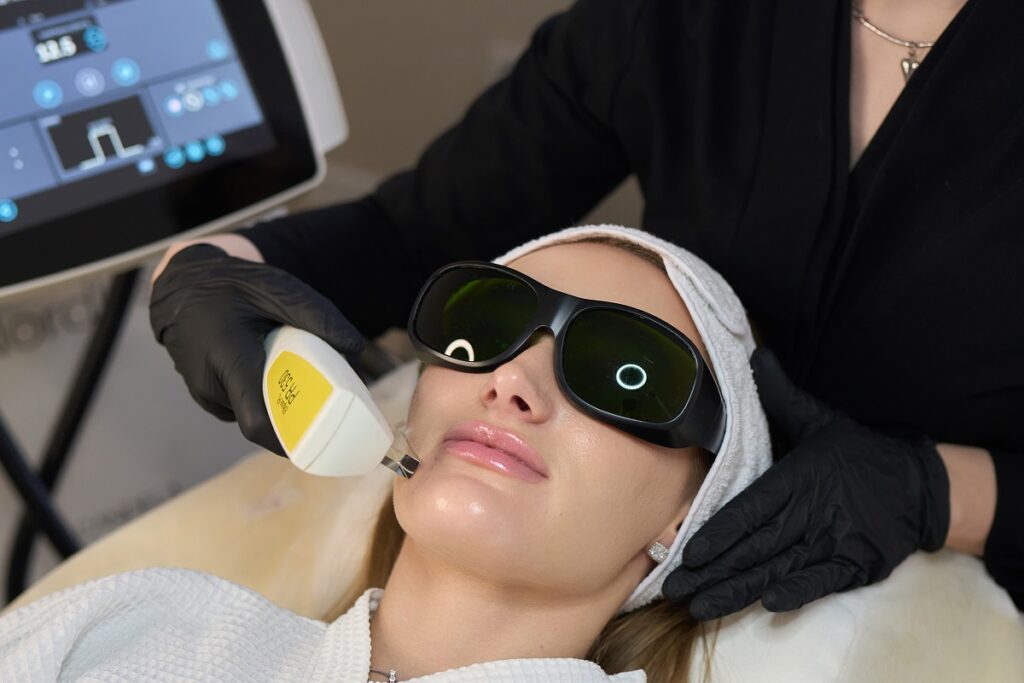
Your treatment usually begins with protective eyewear to shield your eyes from the bright light. A cooling gel may be applied to improve comfort and help the device move smoothly across the skin. The provider delivers short pulses of light over the treatment area. Many people describe the sensation as similar to a light snap from a rubber band. The session generally lasts between twenty and forty-five minutes, depending on the size of the area receiving treatment.
What You May Notice Right After Treatment
Mild redness and slight warmth are common immediately following the procedure. Some darker spots may temporarily appear more noticeable before gradually fading over several days. Gentle skincare and sun protection become especially important during this period. Most people return to normal daily activities shortly after leaving the clinic, although strenuous exercise and excessive heat may be limited for a brief time to reduce unnecessary skin irritation.
Simple Tips for the Best Recovery
Following proper aftercare helps your skin recover comfortably and supports better long-term results.
- Apply sunscreen with a high SPF every day.
- Keep your skin clean using gentle cleansers.
- Use moisturizer regularly to reduce dryness.
- Avoid direct sunlight whenever possible.
- Skip harsh exfoliating products for several days.
- Follow every aftercare instruction provided by your practitioner.
- Stay hydrated to support healthy skin recovery.
Results and Long-Term Expectations
Visible improvements often appear gradually as your body naturally clears treated pigmentation. Some people notice brighter skin within a week, while others see continued progress over several sessions. Results vary depending on individual skin concerns, age, and daily skincare habits. Regular sun protection helps maintain improvements for a longer period. Follow-up treatments may be recommended periodically to address new sun damage or natural skin changes that develop over time.
Conclusion
A first photofacial session is generally straightforward, comfortable, and carefully planned to suit your individual skin needs. Understanding the consultation, preparation, treatment process, and recovery helps remove uncertainty and builds realistic expectations. Working with a qualified provider and following recommended aftercare can support healthier-looking skin with gradual, natural-looking improvements. Patience is important because the best results often appear over multiple sessions rather than immediately after the first visit.