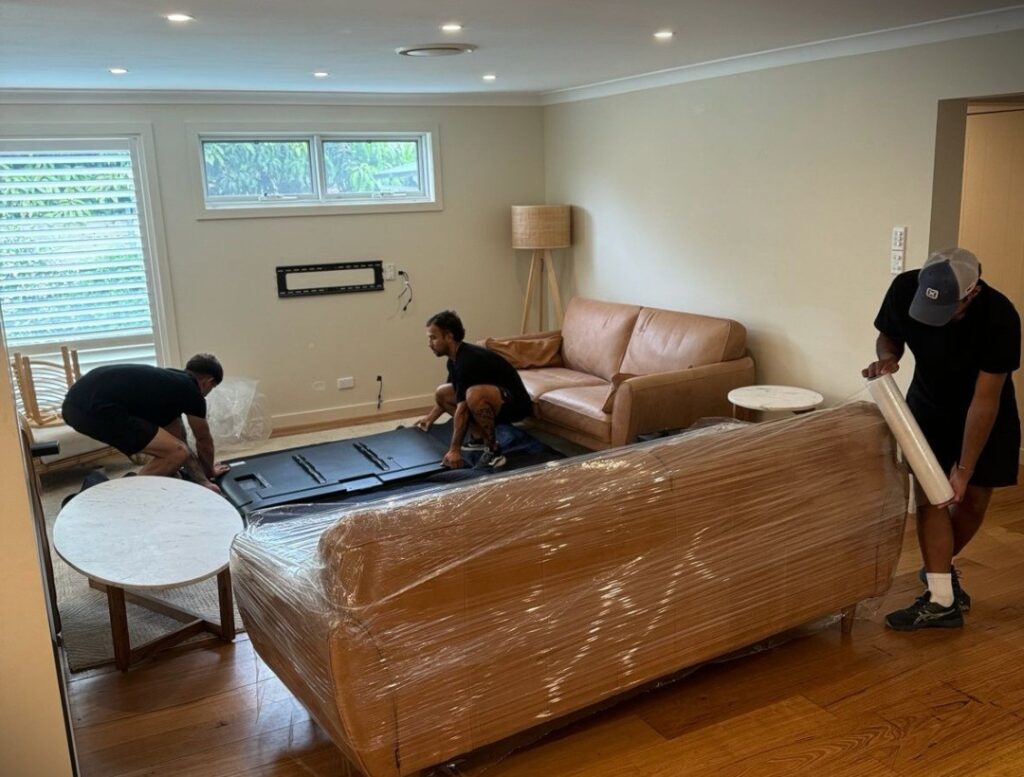
Nobody wants to open the truck on moving day and find a scratch on their dining table, a broken chair leg, or a dent in the side of a wardrobe.
You’ve spent years looking after that furniture. Maybe some pieces cost a lot. Others might not be worth much money but have plenty of sentimental value. Either way, seeing something damaged during a move is frustrating.
If you’re using a removalist dee why, there are a few sensible things you should do if something gets damaged. Don’t panic. Don’t start arguing straight away either. First, check what happened, document the damage properly, and then speak with the moving company about the next step.
What Should You Do First When Furniture Is Damaged?
The first thing is to stop and inspect the item properly. Don’t immediately throw the damaged furniture away or try to repair it yourself. Take clear photos from different angles, keep the damaged item as it is, and make a note of when you noticed the problem. This gives you useful evidence when discussing the damage with the removal company.
1. Check Everything Before The Movers Leave
This is important.
Once everything is unloaded, take a quick walk through the house and check the larger furniture items.
Look at tables.
Check wardrobes.
Inspect beds, cabinets and appliances.
You don’t need to spend an hour inspecting every tiny mark, but obvious damage should be noticed before the moving team leaves if possible.
Sometimes damage isn’t immediately obvious. A scratch might only become noticeable once the furniture is placed properly under better lighting.
So don’t rush.
Take Photos Of The Damage
Photos are probably the most useful thing you can have when reporting moving damage.
Take several pictures.
One close-up showing the actual damage.
Another showing the whole piece of furniture.
If possible, take a wider photo showing where the item was placed after delivery.
Don’t edit the images or make them look worse than they are. Just keep the original photos.
If you took pictures of the furniture before the move, keep those too.
They can be useful for comparison.
Tell The Removalist As Soon As Possible
Don’t wait several weeks before mentioning the problem.
If you notice damage, contact the moving company as soon as you reasonably can.
Explain what happened without turning it into a huge argument.
Something simple is usually enough:
“The dining table was damaged during the move. I’ve attached some photos. Can you please let me know what the next step is?”
That’s better than sending an angry message with no useful information.
At INMOVE Removals & Storage, clear communication is an important part of dealing with moving issues. Problems can be easier to resolve when everyone has the right information from the beginning.
Keep The Damaged Furniture
This sounds obvious, but people sometimes throw damaged items away because they think they’re unusable.
Don’t do that straight away.
Keep the furniture until you’ve discussed the matter with the moving company and understand what happens next.
The company may need photographs, an inspection, or other information before the matter can be assessed.
If you’ve already repaired or disposed of the item, it can become harder to establish what actually happened.
Check Your Moving Agreement
Before assuming what you’re entitled to, check the paperwork you received when booking the move.
Look for information about:
- Furniture protection
- Damage reporting
- Liability
- Insurance
- Claims procedures
- Exclusions
- Timeframes for reporting damage
The exact terms can vary between moving companies and different types of moving arrangements.
Don’t assume every mover follows the same process.
Read the agreement.
It’s boring, yes.
But useful when something goes wrong.
What If The Damage Is Only A Small Scratch?
A small scratch can still be annoying, especially if it’s on an expensive or sentimental piece.
Don’t ignore it simply because it isn’t major.
Take a photo and report it.
At the same time, try to keep things reasonable. Not every small mark means the entire item needs replacing.
Depending on the furniture and the damage, repair may be a practical solution.
The important thing is to discuss it rather than guessing what should happen.
How Can You Prevent Furniture Damage During The Next Move?
Good preparation can prevent a lot of damage before the truck even leaves.
Wrap fragile furniture properly.
Protect corners.
Use suitable moving blankets.
Don’t overload boxes.
And make sure large furniture is secured correctly during transportation.
It also helps to tell your movers about anything unusual before moving day.
Narrow staircases.
Tight doorways.
Glass furniture.
Heavy cabinets.
Large mirrors.
The more your movers know beforehand, the better they can prepare.
Why Local Experience Matters For Furniture Moves
Furniture damage doesn’t always happen because someone was careless.
Sometimes the property itself creates the problem.
A narrow hallway.
A steep driveway.
A tight staircase.
Limited parking.
Long distances between the truck and front door.
These things can make a move more complicated.
That’s why many customers choose experienced removalists northern beaches teams who understand local properties and common access problems.
Someone who regularly works around Dee Why and nearby suburbs will usually have a better idea of what to expect from the area.
At INMOVE Removals & Storage, local knowledge is part of the moving process. It helps the team prepare for the practical side of the job instead of discovering every challenge once the truck arrives.
Should You Repair The Furniture Yourself?
Not straight away.
If the damage is minor, you might be tempted to fix it immediately.
But wait until you’ve documented the problem and spoken with the removal company.
Take your photos first.
Keep any broken pieces.
Don’t throw anything away.
Once the situation has been discussed, you can decide whether a repair makes sense.
For valuable furniture, it’s usually better to get advice from someone who knows how to repair that particular material rather than attempting a quick DIY fix.
What About Valuable Or Antique Furniture?
Valuable furniture needs extra care before the move.
If you have antiques, artwork, delicate timber furniture or family heirlooms, tell the moving company beforehand.
Don’t assume they will know which items are especially important.
Take photographs before the move.
Keep records where possible.
And discuss suitable protection and handling requirements.
The more information the movers have, the better prepared they can be.
FAQ: Removalist Dee Why And Furniture Damage
What should I do if furniture is damaged during a move?
Take clear photos, keep the damaged item, document what happened and contact your moving company as soon as possible. Avoid repairing or disposing of the furniture until you’ve discussed the damage and understand the company’s reporting or claims process.
How quickly should I report furniture damage?
As soon as you notice it. Check your moving agreement because the required reporting timeframe can vary. Reporting the issue promptly also makes it easier to provide accurate details while the move is still recent.
Should I take photos before the move?
Yes. Taking photographs before loading can provide a useful record of the furniture’s condition. Take clear photos of valuable or fragile items, especially areas that already have marks or existing damage.
Can a removalist Dee Why help prevent furniture damage?
Yes. Experienced movers can use suitable protective materials, moving blankets and handling techniques. Giving the removalist Dee Why team information about fragile, heavy or awkward furniture before moving day also helps them prepare properly.
Why choose removalists northern beaches for a local move?
Local movers familiar with the Northern Beaches can understand common access issues such as narrow streets, stairs, driveways and parking restrictions. That local experience can help the team plan the move more carefully and reduce avoidable problems.
Conclusion
Furniture damage is one of the last things anyone wants to deal with after moving.
But if it happens, don’t make the situation worse by rushing into repairs or throwing the item away.
Take photos.
Keep the furniture.
Check your moving agreement.
Contact the mover.
Then work through the next steps calmly.
A little preparation before moving day can also go a long way. Tell the moving team about valuable furniture, difficult access, narrow staircases and anything else that could make handling more complicated.
For homeowners, families, professionals and businesses, working with experienced movers can make the process easier to manage. If you’re planning a move with a removalist dee why, choosing a team with local experience and clear communication is worth considering.
INMOVE Removals & Storage helps customers with moves across Dee Why and surrounding areas, including the wider removalists northern beaches service region. The goal is simple — move your belongings carefully, communicate properly, and deal with problems sensibly if they do come up.