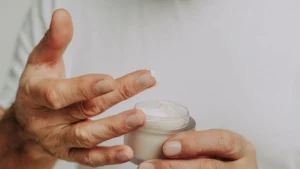
Your hands crack in winter, your heels catch on the sheets, and the lotion you grabbed last week vanished within an hour. Many people in that spot reach for a balm, and a natural pain relief balm is often the one that catches their eye in the wellness aisle. Before you buy one, it helps to know what these products contain and how they behave on skin. This guide explains the basics in plain language.
What Exactly Is a Natural Balm?
A balm is a thick, mostly water-free skin product made from oils, butters, and waxes. Think of it as the solid cousin of a lotion. Where a lotion is an emulsion of oil and water, a balm contains little or no water, which is why it feels dense and slow to melt on your fingertips.
“Natural” has no single legal definition on skin care labels in the United States. Brands use it to mean that the formula relies mainly on plant-derived or minimally processed ingredients, such as shea butter, beeswax, and cold-pressed oils. Always read the ingredient list rather than trusting the front of the jar.
The Three Building Blocks
Most balms follow a simple structure. Oils provide softness and spread. Butters add richness and a creamy body. Waxes hold everything together and give the balm its firm, scoopable texture.
Changing the ratio changes the product. A balm with more wax feels stiff and protective, which suits chapped lips or windburned cheeks. One with more oil glides easily and works well for larger areas like elbows and shins.
How a Balm Differs from Lotions, Creams, and Ointments
Lotions are light and water-heavy, so they absorb quickly but can fade fast on very dry skin. Creams sit in the middle, with more oil than a lotion and less than a balm. Ointments and balms are the richest group, and many dermatology resources describe ointment-style products as the strongest option for very dry, rough skin.
A balm is not a medicated ointment, though. A plain balm is a cosmetic that softens and protects. If a product claims to treat a medical condition, it falls under different rules and should be treated as a drug product.
Why Skin Gets Dry in the First Place
Healthy skin keeps water in with a thin outer layer of cells held together by natural fats. Researchers often compare it to a brick wall, with cells as bricks and lipids as mortar. When that mortar thins out, water escapes faster and skin feels tight, flaky, or rough.
Several everyday habits and conditions weaken that barrier:
- Cold, dry winter air and indoor heating
- Long, hot showers and frequent handwashing
- Harsh soaps or cleansers that strip natural oils
- Sun exposure and aging, since skin produces fewer lipids over time
- Certain skin conditions, such as eczema
That last point matters. Dry skin that is itchy, inflamed, cracked, or persistent despite good care deserves a conversation with a doctor or dermatologist. A balm can support comfort, but it is not a substitute for diagnosis.
How a Balm Works on Dry Skin
A balm helps in three overlapping ways. None of them is magic, and understanding each one makes it easier to judge whether a product will suit you.
It Seals In Moisture
The first job is occlusion. Waxes and some butters form a light protective film on the surface of the skin. That film slows transepidermal water loss, which is the technical term for water evaporating through the skin.
Because a balm is mostly oil and wax, it does not add much water on its own. Its strength lies in keeping the water your skin already holds from escaping. This is why many people apply balm right after a shower, when skin is still slightly damp.
It Softens Rough Patches
The second job is emollience. Oils and butters fill in the tiny gaps between dry, lifting skin cells, which makes the surface feel smoother and less scaly. Rough elbows and cracked heels often look better within minutes of application for this reason.
This effect is largely cosmetic and temporary. The skin feels better because the surface is smoother, not because the underlying barrier has been rebuilt overnight. Repeated, consistent use is what keeps the benefit going.
It Supports the Skin Barrier Over Time
Many plant oils and butters contain fatty acids that resemble the fats found in the skin’s own barrier. When these are applied regularly, they can help top up what daily wear and washing remove. Some balms also include humectants, such as a little honey or glycerin, which attract water toward the skin.
Results vary from person to person. Skin type, climate, and the rest of your routine all play a role, so judge a balm by how your skin feels after a few weeks rather than a few minutes.
Common Balm Ingredients and What They Actually Do
Ingredient lists can look long, but most natural balms draw from a short list of familiar materials. The table below summarizes the most common ones, what they contribute, and what to keep in mind before using them.
| Ingredient | Type | Main role on dry skin | What to watch for |
|---|---|---|---|
| Beeswax | Wax | Forms a protective film and thickens the balm | Not suitable for vegan products; rare allergies possible |
| Shea butter | Butter | Softens and adds richness | Can feel heavy on oily or acne-prone skin |
| Cocoa butter | Butter | Smooths and conditions rough areas | Strong scent; may feel waxy |
| Jojoba oil | Liquid wax | Spreads easily and feels light | Generally well tolerated; quality varies by brand |
| Coconut oil | Oil | Softens and conditions | May clog pores on the face for some people |
| Calendula extract | Plant extract | Traditionally used to soothe dry, irritated skin | Possible reaction in people allergic to daisy-family plants |
| Vitamin E (tocopherol) | Antioxidant | Helps slow oils from going rancid | Used in small amounts; not a moisturizer by itself |
| Essential oils | Fragrance | Add scent and traditional aromatherapy appeal | Common cause of irritation and allergic reactions |
The pattern is worth noticing. Waxes and butters do the heavy lifting on dryness, while essential oils add scent but also add the most risk. If your skin is sensitive, a shorter ingredient list with fewer fragrances is usually the safer choice.
Where a Pain Relief Balm Fits In
Some balms go beyond moisturizing and add ingredients meant to ease sore muscles or stiff joints. That raises a fair question for anyone with dry skin: does a pain relief balm also hydrate? The answer is yes, partly, because it still has an oil and wax base. But the active extras change how it behaves on skin.
Warming and Cooling Ingredients
Menthol, camphor, and eucalyptus oil are common in these products. They are often called counterirritants. They create a cooling or warming sensation that can distract from muscle soreness, but they do not fix the underlying cause of the discomfort.
In the United States, products that make pain relief claims with ingredients like menthol and camphor are regulated as over-the-counter drugs. Their labels carry directions and warnings that cosmetic balms do not. Follow those directions closely, including the guidance on how often to apply.
Plant Extracts Used for Soreness
Arnica is a popular addition, and some people use it on bruised or achy areas. Its use should be limited to unbroken skin, since it can irritate cuts and scrapes. Cayenne-derived capsaicin is another option, but it produces a strong burning sensation that is not suited to sensitive areas.
If you are weighing evidence for any of these plant extracts, treat marketing claims with some caution. Traditional use is common, but strong clinical evidence varies by ingredient.
When Dry Skin and Sore Muscles Overlap
Many people have both problems at once. Think of a gardener with cracked hands and an aching wrist, or a runner with tight calves and flaky shins in winter. In those cases, a simple moisturizing balm and a separate pain relief balm often work better than a single product trying to do both.
The reason is practical. Menthol and camphor can sting or tingle on cracked, dry skin. Keeping the soothing balm for dry patches and the active balm for sore areas lets you control where each one goes.
How to Choose a Good Balm
Start with the ingredient list rather than the label claims. A short list that begins with butters, oils, and waxes is a good sign. Be wary of products where fragrance or essential oils appear near the top.
Consider what you need it for. A stiff, wax-rich balm is useful for lips and cuticles, while a softer, oil-rich balm spreads better across arms and legs. If you plan to use it on your face, look for lighter oils like jojoba and avoid heavy additions that may clog pores.
Check for signs of quality, too. Reputable brands list their full ingredients, show a batch or expiry date, and avoid vague claims like “cures” or “heals.” Because balms contain oils, they can eventually turn rancid. A sharp, paint-like smell means it is time to replace the jar.
How to Apply a Balm for the Best Results
Timing matters more than quantity. Apply balm within a few minutes of bathing or washing your hands, while your skin is still slightly damp. This helps the balm lock in the water that is already there.
Use a small amount and warm it between your fingers first. Press it into dry areas rather than rubbing hard, and focus on the roughest spots such as knuckles, elbows, knees, and heels. For very dry feet, applying balm at night and wearing cotton socks can help it stay put.
Before using a new balm widely, do a patch test. Apply a small amount to the inside of your forearm and wait 24 hours. If you notice redness, itching, or swelling, skip that product.
Mistakes and Safety Notes Worth Knowing
A few common missteps can undo the benefits of a good balm.
- Applying it to broken or weeping skin, which can trap irritation and slow healing
- Using a menthol-heavy product on cracked skin or near the eyes
- Skipping the patch test with fragranced or herb-heavy formulas
- Expecting a balm alone to fix dryness caused by long hot showers or harsh soaps
Some groups should be extra careful. Pregnant women, young children, and people with chronic skin conditions or known allergies should check with a healthcare provider before using products with essential oils or active ingredients. If your skin worsens, stops using the product and seek advice.
Conclusion
A natural balm is a simple product with a clear job: it softens rough skin and slows moisture loss using oils, butters, and waxes. It works best when you apply it to damp skin, choose a short and honest ingredient list, and pair it with gentler cleansing habits. If you also want relief for sore muscles, treat that as a separate need and follow the label on any pain relief balm carefully. Persistent or painful dryness deserves a professional opinion. For everyday rough patches, though, a good balm is an easy and affordable place to start.
Frequently Asked Questions
1. Is a natural balm the same as a moisturizer?
Not exactly. A balm mainly seals in moisture and softens skin with oils and waxes, while many moisturizers also contain water and humectants. Both help dry skin, and some people use a lotion first and a balm on top.
2. Can I use a balm on my face?
Yes, but choose carefully. Lighter formulas with oils like jojoba are usually gentler, while heavy butters or coconut oil may clog pores for some people. Always patch test first.
3. How long does a natural balm last once opened?
It depends on the oils used and how it is stored. Many last several months to a year when kept cool and closed. Throw it out if it smells sharp or sour, or if the texture changes.
4. Is a pain relief balm safe to use on dry, cracked skin?
Usually not on open cracks. Ingredients like menthol and camphor can sting or irritate broken skin. Apply them only to intact skin and follow the product’s printed directions.
5. When should I see a doctor about dry skin?
See a healthcare professional if dryness is severe, itchy, red, cracked, or lasts for weeks despite regular moisturizing. These signs can point to eczema or another condition that needs proper treatment.