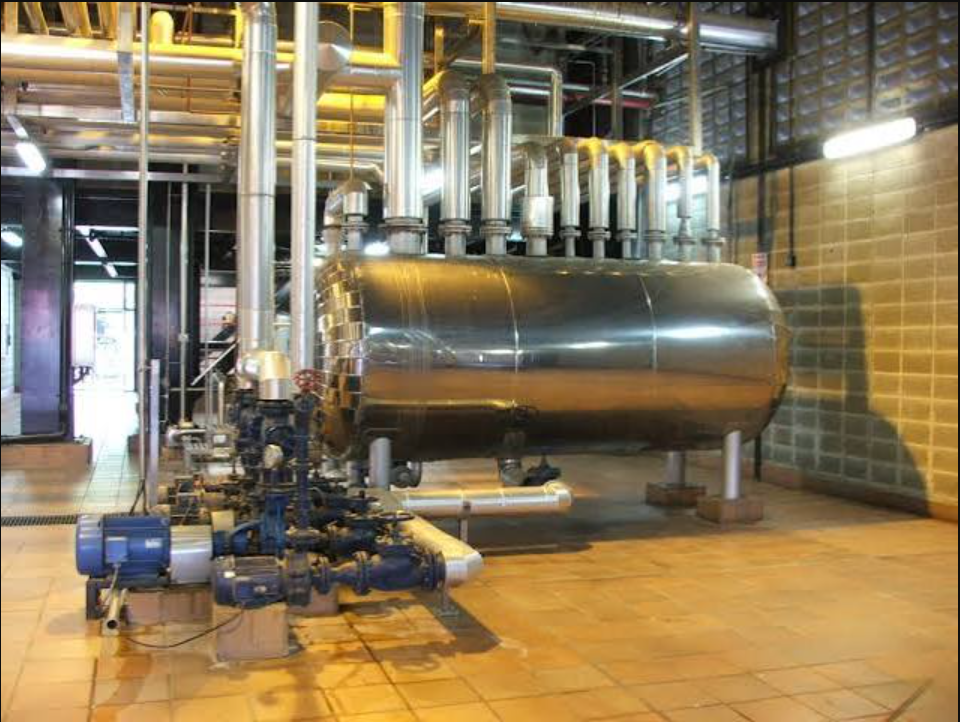
condensate return calculator
An accurate condensate return calculation involves more variables than most facility managers initially expect. Understanding what actually goes into the math clarifies why a quick estimate often falls short.
Starting With Total System Load
The calculation begins with the total steam load across every connected piece of equipment, from radiators to process heating coils. Running that figure through a condensate return calculator directly shows how much capacity the return system needs to handle at peak demand.
Accounting for Distance and Elevation
Condensate traveling long distances or up significant elevation changes needs more pump capacity than a compact, single-level system. Skipping this factor is one of the most common reasons a return system underperforms after installation.
Receiver Sizing Based on Peak, Not Average
Receiver tanks need capacity for peak condensate flow, not just average daily volume. A receiver sized only for average conditions can overflow or short-cycle during periods of highest demand.
Why This Calculation Directly Affects Energy Costs
Returned condensate arrives already hot, which reduces the energy needed to bring fresh makeup water up to boiler temperature. An economizer alone can reduce fuel requirements by 5% to 10%, according to Department of Energy research, and maximizing condensate return amplifies that same efficiency principle.
Factoring in System Redundancy
Critical facilities, like hospitals, often calculate for backup pump capacity so a single pump failure does not interrupt condensate return entirely. This redundancy adds cost but protects against a much more expensive unplanned outage.
Common Calculation Mistakes
Relying on the previous system’s sizing without verifying it against current load is a frequent and costly mistake. Facility renovations, added equipment, or changed usage patterns can all shift the actual load significantly from what an older system was designed to handle.
How Water Treatment Fits Into the Calculation
Returned condensate still needs monitoring for contamination that can occur within the piping system. A calculation that ignores treatment considerations may deliver adequate capacity but overlook water quality risks that affect the boiler downstream.
Verifying the Calculation Against Real Conditions
After installation, monitoring actual system performance against the original calculation confirms whether the sizing assumptions held up in practice. Any significant gap is worth investigating before it becomes a bigger operational problem.
What a Thorough Calculation Includes
- Total peak condensate load across all connected equipment.
- Distance, elevation, and pipe sizing between return points and the receiver.
- Redundancy requirements appropriate to the facility’s criticality.
How Seasonal Demand Swings Affect the Math
Facilities with significant seasonal heating demand need to calculate for the coldest expected operating conditions, not an average across the full year. A system sized only for typical conditions can fall short precisely during the coldest, highest-demand stretches of winter.
Involving the Right Expertise Early
Bringing in an experienced pump and condensate system supplier during the design phase, rather than after installation, allows sizing questions to get resolved before they become expensive change orders. This upfront collaboration tends to produce a more reliable final system.
Reviewing the Calculation Periodically
A calculation that was accurate at installation may no longer reflect a facility’s needs years later if equipment has changed or expanded. Periodically revisiting the original assumptions helps catch a growing mismatch before it causes a performance problem.
Metering Actual Flow Data Where Possible
Installing flow meters on existing condensate lines, even temporarily, gives a facility real operating data rather than relying purely on theoretical equipment specifications. This real data can reveal gaps between assumed and actual load that a purely calculated estimate would miss.
Setting a Realistic Return Percentage Target
Few facilities recover 100% of their condensate due to leaks, venting, and unrecoverable process losses, so a calculation should target a realistic percentage based on system condition. Assuming perfect recovery in the sizing calculation leads to a system that looks efficient on paper but underperforms in practice.
Differences for Steam Versus Hot Water Systems
Condensate return calculations for a steam system differ meaningfully from the return calculations used in a hot water heating loop, since the physics of condensation and pressure work differently. Applying a steam-based calculation approach to a hot water system, or the reverse, produces unreliable results.
Modeling the Payback on Better Return
Comparing the fuel and water treatment savings from improved condensate return against the upfront capital cost gives facilities a clear payback timeline to justify the investment. This financial modeling often makes a stronger case to decision-makers than efficiency arguments alone.
Accounting for Future Facility Changes
A calculation built only around current equipment can fall short if a facility later adds process loads or expands square footage served by the same steam system. Building in a reasonable margin for anticipated growth avoids a return system that becomes undersized within just a few years.
Coordinating With the Boiler Sizing Itself
Condensate return capacity and boiler feed system sizing should be calculated together rather than in isolation, since one directly affects the demands placed on the other. Treating them as a single connected system produces a more coherent, better-performing overall design.
A condensate return calculation done properly accounts for far more than pipe diameter and pump horsepower. Facilities that invest the time in a complete calculation avoid the performance and efficiency problems that come from cutting that process short.