Old wiring rarely announces itself. It hides behind walls until a breaker keeps tripping, an outlet stops working, or a home inspector flags something during a sale. For many Hudson Valley homeowners, that quiet warning is the first real prompt to think about a full home wiring installation in Kingston, NY.
This article explains what the process actually involves. You’ll learn why older homes often need rewiring, what happens during the work, and how proper electrical planning affects both safety and daily comfort. No sales pitch. Just a plain look at how a home’s electrical system gets brought up to date.
What Full Home Wiring Actually Means
Full home wiring is the replacement of the electrical system that runs through a house. That includes the wires, the panel, the outlets, and the switches. Think of it like replacing the plumbing in an old building. You do not just fix one leaking pipe. You update the whole network so it works safely as a single system.
Homes built decades ago were wired for a different era. A 1950s house was never designed to run a microwave, a dishwasher, three televisions, and a bank of phone chargers at the same time. The demand has grown. The old wiring often has not.
Why Older Kingston Homes Are Common Candidates
Kingston, NY has a large stock of historic and mid-century homes. Many still carry their original wiring or outdated systems like knob-and-tube. That wiring may have worked fine for years, but it was not built for modern electrical loads.
Here’s why that matters. Outdated wiring can overheat, insulation can crack, and grounding may be missing entirely. A full home wiring installation in Kingston, NY replaces those weak points before they turn into a fire risk or an insurance problem.
What Happens During the Process
Most projects start with an inspection. An electrician reviews the panel, tests circuits, and checks how the current wiring is holding up. This step decides how much needs replacing and where the trouble spots are.
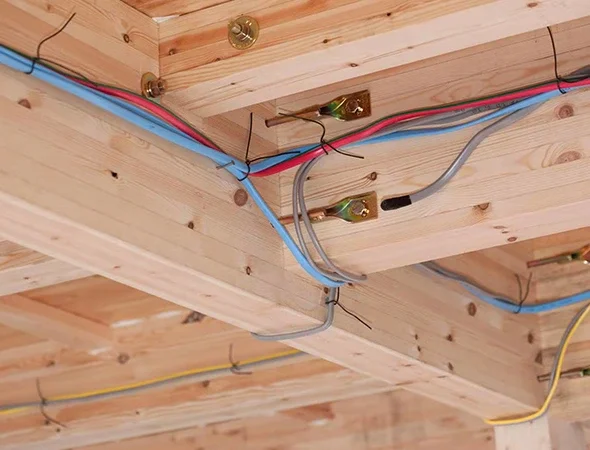
From there, the work moves through the walls. Old wire gets pulled out. New wire gets run to each outlet, switch, and fixture. The panel is usually upgraded too, since an old panel cannot safely handle the added capacity a modern home needs.
The final stage is testing. Every circuit gets checked, grounded, and confirmed against local code. That last part matters more than people expect. Kingston, NY follows electrical codes that exist to protect the people living in the home, and passing inspection is not optional.
The Benefits Go Beyond Safety
Safety is the obvious reason to rewire, but it is not the only one. A modern electrical system removes the daily frustrations people learn to live with. No more flickering lights when the dryer runs. No more overloaded outlets in the kitchen. No more extension cords snaking across the floor because the room only has one working plug.
There’s a practical financial angle too. Updated wiring often lowers insurance concerns and makes a home easier to sell. Buyers ask about electrical systems. A recent, code-compliant installation answers that question before it becomes a negotiation point.
Comfort is the quiet benefit. When the wiring is right, you stop thinking about it. Everything simply works. That reliability is the real goal of any full home wiring installation in Kingston, NY, even if it never shows up in a photo of the finished house.
Real Situations Where Rewiring Comes Up
Rewiring rarely happens for no reason. It usually follows a life event. A family buys an older home and the inspection reveals aging wiring. A homeowner finishes a basement and needs the circuits to support it. A kitchen remodel adds appliances the old panel simply cannot feed.
Special events create demand too. Electrical planning is not limited to houses. Venues and property owners preparing for large gatherings often bring in specialists for temporary and permanent setups alike. Custom wedding lighting in Peekskill, NY is one example, where an event space needs safe, well-planned electrical work to support decorative lighting without overloading the system.
That overlap is worth noting. The same principles behind residential rewiring apply to event electrical work: proper load calculation, grounding, and code compliance. Whether it’s a family home or custom wedding lighting in Peekskill, NY, safe electrical work starts with a real plan, not guesswork.
Choosing the Right Approach
Not every home needs a complete rewire. Some only need a panel upgrade or a few new circuits. A good electrician tells you the difference plainly instead of recommending the largest job possible.
Local experience helps here. Companies familiar with the Hudson Valley, such as Lightsmith Electric, tend to understand the region’s older housing stock and the code requirements that come with it. That regional knowledge shapes how a project gets scoped from the start.
The takeaway is simple. Before assuming the worst, get an honest assessment. A clear inspection tells you what your home actually needs, and it turns a vague worry into a concrete plan.
FAQs
How long does a full home wiring installation take?
Most whole-home projects take several days to two weeks. The timeline depends on the size of the house, its accessibility, and how much of the existing wiring needs to be replaced.
How do I know if my home needs rewiring?
Warning signs include frequent breaker trips, flickering lights, warm outlets, and a burning smell near switches. Homes with knob-and-tube wiring or a panel older than 25 years are common candidates for an inspection.
Is rewiring an old house safe to do while living there?
Often yes, though it depends on the scope. Electricians usually work room by room to keep parts of the home powered. Larger jobs may require short periods without power in certain areas.
Does new wiring increase a home’s value?
Updated, code-compliant wiring can make a home easier to sell and address common buyer and inspector concerns. It also reduces safety risks that older systems carry.
Does electrical planning matter for events, not just homes?
Yes. Event lighting and large gatherings depend on proper load planning and grounding, just like residential systems. The core safety principles are the same whether the setting is a house or a venue.