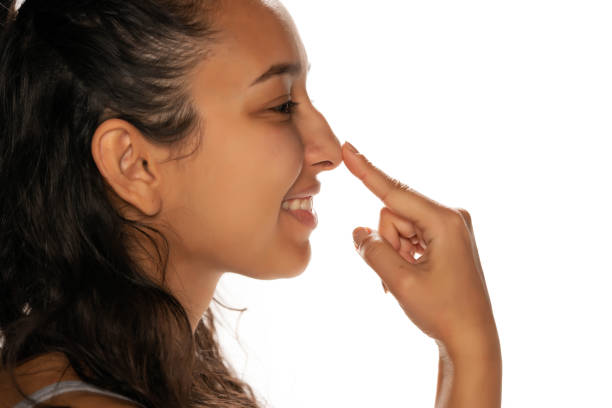
The nose plays an important role in defining facial appearance, balance, and overall harmony. Its shape, size, and proportions can influence how different facial features complement one another. Rhinoplasty is a treatment designed to modify the structure and appearance of the nose according to an individual’s aesthetic or functional concerns. People considering Rhinoplasty in Abu Dhabi often want to understand how this procedure can improve facial proportions while maintaining a natural appearance. Whether the concern involves a prominent nasal bridge, a rounded tip, asymmetry, or breathing difficulties, rhinoplasty aims to address specific needs through a personalized approach. Understanding its main goals can help individuals develop realistic expectations and make informed decisions about nasal enhancement.
Improving Overall Facial Harmony
One of the primary goals of rhinoplasty is to create better harmony between the nose and other facial features. Because the nose occupies a central position, even subtle differences in its proportions can influence the overall appearance of the face. A nose that appears too wide, narrow, long, or prominent may create an imbalance that some individuals wish to improve.
Rhinoplasty focuses on adjusting nasal proportions to complement surrounding features, including the forehead, cheeks, lips, and chin. The objective is not necessarily to create a smaller or more noticeable nose but to achieve a balanced appearance that suits the individual’s natural facial structure.
Facial harmony also depends on maintaining appropriate proportions from different angles. A change that looks appealing from the front should also complement the side profile. This is why treatment planning considers the overall face rather than focusing exclusively on one nasal feature.
Refining the Shape of the Nasal Bridge
Another important goal of rhinoplasty is improving the shape and contour of the nasal bridge. Some individuals have a noticeable bump, uneven contour, or bridge shape that they feel does not complement their facial profile. These concerns can influence the appearance of the nose, particularly when viewed from the side.
Rhinoplasty may involve reshaping the nasal framework to create a smoother and more proportionate bridge. The amount of modification depends on the existing nasal structure and the desired outcome. In some cases, the objective is to reduce a prominent feature, while in others, the focus may be on improving definition or correcting irregularities.
A natural-looking result is an important consideration during this process. The nasal bridge should complement the individual’s facial characteristics rather than appear excessively altered. Careful planning helps maintain appropriate proportions while addressing the specific concern.
Creating Better Nasal Tip Definition
The nasal tip is another feature that can significantly influence the appearance of the nose. Some individuals feel that their nasal tip appears too rounded, broad, drooping, or insufficiently defined. These characteristics may affect the overall shape of the nose and its relationship with the upper lip and nasal bridge.
One of the goals of rhinoplasty is to refine the nasal tip while maintaining a balanced appearance. Depending on the existing anatomy, the procedure may involve modifying the supporting structures to improve its shape, projection, or position.
Tip refinement requires careful consideration because the nasal tip contributes to the natural character of the face. Excessive changes can create an unnatural appearance, so the aim is generally to improve definition without losing the individual’s distinctive facial features.
Correcting Nasal Asymmetry
Nasal asymmetry occurs when the two sides of the nose do not have matching shapes or proportions. It may involve uneven nostrils, a crooked nasal bridge, or differences in the appearance of the nasal tip. Some people are naturally concerned about these irregularities, while others notice them following an injury or previous nasal procedure.
Rhinoplasty can help improve certain forms of nasal asymmetry by adjusting the underlying nasal structures. The treatment approach depends on the location and extent of the irregularity. Correcting a crooked appearance may require changes to different parts of the nasal framework to create better alignment.
Although complete symmetry is not always achievable because natural facial features are rarely perfectly identical, improving noticeable imbalances can contribute to a more harmonious appearance. The main objective is to create a result that looks balanced and appropriate for the individual’s facial structure.
Enhancing Nasal Proportions and Size
Nasal size is a common aesthetic concern among people considering rhinoplasty. Some individuals feel that their nose appears disproportionately large compared with their other facial features, while others may want to improve its width, length, or projection.
Rhinoplasty can modify selected nasal structures to improve these proportions. The treatment may focus on reducing certain dimensions or adjusting the relationship between the nasal bridge, tip, and nostrils. However, the goal is not simply to make the nose as small as possible.
A well-proportioned nose should complement the rest of the face and maintain structural support. Appropriate planning helps ensure that changes remain consistent with the individual’s natural anatomy. This approach supports facial balance rather than creating an appearance that looks disconnected from other features.
Improving Nasal Function and Breathing
Although rhinoplasty is often associated with cosmetic enhancement, it can also address certain structural concerns that affect nasal breathing. The internal framework of the nose plays an important role in allowing air to pass comfortably through the nasal passages.
Some individuals experience breathing difficulties associated with a deviated septum or other structural irregularities. Depending on the underlying condition, nasal surgery may help improve airflow by correcting the relevant anatomical issue. When aesthetic and functional concerns exist together, treatment planning may consider both aspects.
It is important to distinguish cosmetic rhinoplasty from procedures specifically intended to improve nasal function. Some individuals may require a combined surgical approach, depending on their anatomy and treatment goals. The overall objective is to support nasal function while maintaining appropriate external proportions.
Maintaining a Natural Facial Appearance
A major goal of modern rhinoplasty is achieving results that look natural rather than noticeably artificial. Individuals often want to improve particular nasal features without changing the overall character of their face.
Natural-looking results depend on respecting the existing facial structure, skin characteristics, and nasal anatomy. A change that suits one individual may not be appropriate for another because facial proportions and aesthetic preferences vary considerably.
The procedure should therefore be planned around individual characteristics instead of following a standard nasal shape. Maintaining structural support and appropriate proportions is equally important. This helps create a result that complements the face and remains consistent with the individual’s appearance.
Building Confidence Through Personalized Enhancement
For some individuals, concerns about nasal appearance can influence their confidence in social situations and photographs. Improving a feature that has been a longstanding concern may help them feel more comfortable with their appearance.
Rhinoplasty can provide an opportunity to address these concerns through carefully planned nasal refinement. However, personal satisfaction depends on realistic expectations and understanding the limitations of the procedure. It is important to recognize that surgery can modify physical features but cannot guarantee changes in every aspect of personal confidence.
A personalized approach allows individuals to identify their priorities and understand which improvements may be achievable. Clear communication about desired changes helps establish treatment goals that are appropriate for their facial anatomy.
Final Thoughts
The main goals of rhinoplasty extend beyond changing the size or shape of the nose. The procedure aims to improve facial harmony, refine nasal contours, correct certain structural irregularities, and address functional concerns when appropriate. Whether the focus is on nasal tip definition, bridge refinement, symmetry, or breathing improvement, each treatment plan should reflect the individual’s anatomy and expectations.
Achieving a balanced and natural appearance requires careful consideration of both aesthetic and structural factors. Understanding these goals can help individuals make informed decisions and develop realistic expectations about rhinoplasty. Ultimately, the most appropriate outcome is one that complements the face while addressing the concerns that initially motivated the individual to consider treatment.
FAQs
What is the main purpose of rhinoplasty?
Rhinoplasty aims to improve the appearance, proportions, or structural function of the nose according to individual needs.
Can rhinoplasty improve facial symmetry?
Yes, it can help correct certain nasal irregularities and create better balance between facial features.
Does rhinoplasty change the nasal tip?
Yes, the procedure can refine the shape, projection, or position of the nasal tip when appropriate.
Can rhinoplasty improve breathing?
Certain surgical approaches can address structural problems that interfere with normal nasal airflow.
Are rhinoplasty results meant to look natural?
Yes, an important goal is to create balanced nasal proportions that complement the individual’s natural facial features.