Label printing plays an important role in many industries, including retail, manufacturing, logistics, healthcare, warehousing, and product packaging. Businesses rely on clear and durable labels to track products, manage inventory, improve identification, and maintain accurate records.
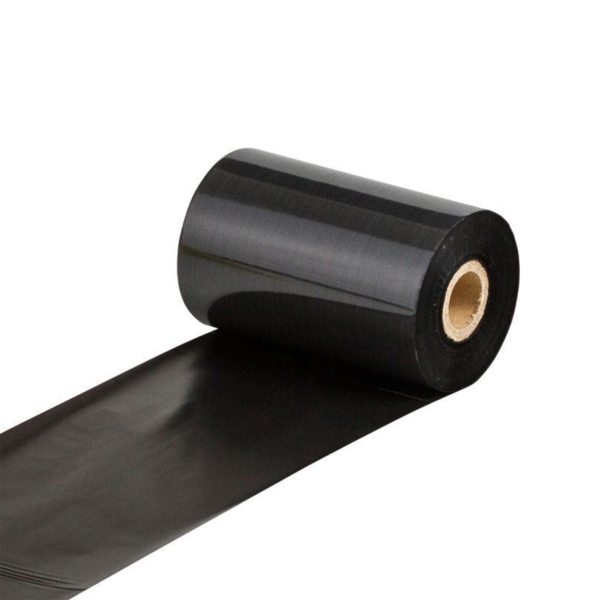
A wax resin thermal transfer ribbon is a popular printing solution designed to produce high-quality labels with improved durability compared with standard wax ribbons.
By combining wax and resin materials, these ribbons provide a balance between affordability, print clarity, and resistance against environmental factors. They are commonly used for applications where labels need to withstand handling, moisture, chemicals, or extended storage conditions.
Whether you are printing product labels, barcode tags, shipping labels, or industrial identification labels, choosing the right thermal transfer ribbon helps improve print quality and operational efficiency.
What Is a Wax Resin Thermal Transfer Ribbon?
A wax resin thermal transfer ribbon is a printing ribbon used with thermal transfer printers to create images, text, and barcodes on labels and other materials.
Unlike direct thermal printing, thermal transfer printing uses a ribbon that transfers ink onto the label surface through heat.
Wax resin ribbons contain a combination of:
- Wax-based materials
- Resin-based materials
- Pigments or ink layers
This combination provides better durability than standard wax ribbons while remaining more affordable than pure resin ribbons.
Wax resin ribbons are commonly used for applications requiring:
- Clear text printing
- Durable barcode labels
- Smudge resistance
- Better surface adhesion
How Does a Wax Resin Thermal Transfer Ribbon Work?
Thermal transfer printing uses heat from a printer’s printhead to transfer ink from the ribbon onto a label.
The printing process involves several steps:
Ribbon Installation
The wax resin ribbon is placed inside a compatible thermal transfer printer.
Heat Application
The printer’s printhead applies controlled heat to specific areas of the ribbon.
Ink Transfer
The heated sections transfer ink from the ribbon onto the label material.
Finished Label
The result is a sharp printed label with improved durability and readability.
This process allows businesses to create long-lasting labels suitable for different environments.
Why Choose Wax Resin Thermal Transfer Ribbon?
Businesses choose wax resin ribbons because they provide a practical balance between quality, performance, and cost.
Better Durability Than Wax Ribbons
Standard wax ribbons are affordable and suitable for basic labels, but they may not perform well in demanding environments.
Wax resin ribbons provide improved resistance against:
- Scratching
- Smudging
- Handling
- Moisture exposure
This makes them suitable for labels that require longer-lasting prints.
High-Quality Printing Results
Wax resin ribbons produce sharp and clear images.
They are suitable for printing:
- Barcodes
- Product information
- Small text
- Logos
- Identification codes
Clear printing helps improve scanning accuracy and product tracking.
Versatile Label Compatibility
Wax resin ribbons work with a wide range of label materials.
They are commonly used with:
- Paper labels
- Coated papers
- Synthetic materials
- Specialty label stocks
This versatility makes them suitable for many industries.
Cost-Effective Performance
Wax resin ribbons provide better durability than wax ribbons without reaching the higher cost of full resin ribbons.
They offer a balanced solution for businesses that need reliable labels at reasonable prices.
Key Features of Wax Resin Thermal Transfer Ribbon
Understanding ribbon features helps businesses select the right printing solution.
Wax and Resin Ink Combination
The combination of wax and resin creates a stronger print layer.
Wax provides:
- Smooth printing
- Cost efficiency
- Good paper adhesion
Resin provides:
- Improved durability
- Better resistance
- Stronger bonding
Together, they create a versatile printing ribbon.
Excellent Barcode Quality
Barcode readability is essential for many industries.
Wax resin ribbons help produce:
- Clear barcode lines
- Sharp edges
- Reliable scanning performance
This makes them useful for inventory and logistics applications.
Smudge and Scratch Resistance
Labels often experience handling during storage and transportation.
Wax resin ribbons provide better protection against:
- Friction
- Repeated handling
- Surface damage
Compatibility With Thermal Transfer Printers
Wax resin ribbons are available for many popular thermal transfer printer brands and models.
Businesses should always confirm ribbon size and printer compatibility before purchasing.
Common Applications of Wax Resin Thermal Transfer Ribbon
Wax resin ribbons are used across many industries where durable labels are required.
Manufacturing Industry
Manufacturing businesses rely on labels for:
- Product identification
- Component tracking
- Inventory management
- Safety information
Wax resin ribbons help create labels that remain readable throughout production and storage.
Logistics and Warehousing
Warehouses and logistics companies require durable labels for tracking products.
Common uses include:
- Shipping labels
- Barcode labels
- Storage labels
- Pallet identification
Wax resin printing helps maintain label quality during transportation.
Retail Industry
Retail businesses use thermal transfer labels for:
- Product tags
- Price labels
- Inventory tracking
- Shelf identification
Clear printing improves product management and customer experience.
Healthcare Industry
Healthcare organisations require accurate identification systems.
Wax resin ribbons may be used for:
- Laboratory labels
- Equipment identification
- Sample tracking
Durable printing helps maintain important information.
Food and Beverage Industry
Food businesses often require labels that can withstand handling and storage.
Applications include:
- Packaging labels
- Product identification
- Batch tracking
Wax resin ribbons provide reliable printing for many packaging needs.
Pharmaceutical Industry
Pharmaceutical companies require precise and durable labels.
Uses include:
- Product information labels
- Tracking labels
- Compliance identification
Wax Resin Thermal Transfer Ribbon vs Other Ribbon Types
Choosing the right ribbon depends on the application.
Wax Ribbon
Wax ribbons are commonly used for basic label printing.
Advantages:
- Affordable
- Good print quality on paper labels
- Suitable for general applications
Limitations:
- Lower durability
- Less resistance to chemicals and scratches
Wax Resin Ribbon
Wax resin ribbons provide a balance between cost and durability.
Advantages:
- Better resistance
- Improved print quality
- Versatile use
Suitable for:
- Retail labels
- Shipping labels
- Product identification
Resin Ribbon
Resin ribbons provide the highest durability.
Advantages:
- Excellent chemical resistance
- Strong scratch resistance
- Suitable for synthetic materials
Common uses include:
- Industrial labels
- Laboratory labels
- Outdoor applications
Benefits of Using Wax Resin Thermal Transfer Ribbon
Using the right ribbon improves printing efficiency and label performance.
Improved Label Lifespan
Wax resin ribbons create prints that last longer compared with standard wax ribbons.
This helps businesses maintain readable labels throughout product handling and storage.
Reduced Printing Issues
High-quality ribbons help reduce problems such as:
- Poor print clarity
- Barcode scanning errors
- Smudged information
Better Product Identification
Clear labels improve:
- Inventory tracking
- Product organisation
- Workplace efficiency
Suitable for Multiple Applications
The versatility of wax resin ribbons allows businesses to use them across different departments and industries.
How to Choose the Right Wax Resin Thermal Transfer Ribbon
Selecting the correct ribbon requires consideration of several factors.
Consider Label Material
Different label materials require different ribbon types.
Wax resin ribbons are suitable for:
- Coated paper labels
- Some synthetic materials
- Durable label stocks
Check Printer Compatibility
Before purchasing, confirm:
- Ribbon width
- Ribbon length
- Printer model
- Ink side orientation
Using an incompatible ribbon can affect print performance.
Determine Durability Requirements
Consider the environment where labels will be used.
For example:
- Indoor product labels may need standard durability
- Industrial labels may require stronger resistance
Choose the Correct Ribbon Size
Ribbon dimensions should match the printer specifications.
Incorrect sizing can cause:
- Printing problems
- Wasted material
- Reduced efficiency
Buying Wax Resin Thermal Transfer Ribbon in Bulk
Many businesses purchase thermal transfer ribbons in larger quantities.
Bulk purchasing provides several benefits.
Lower Cost
Wholesale purchasing can reduce the cost per ribbon.
This helps businesses manage printing expenses.
Reliable Supply
Maintaining ribbon inventory helps prevent printing interruptions.
This is especially important for businesses with continuous label printing needs.
Easier Inventory Management
Bulk ordering helps businesses plan supplies more effectively.
Benefits include:
- Predictable ordering
- Reduced shortages
- Better stock control
Common Mistakes When Buying Thermal Transfer Ribbons
Avoiding common mistakes helps businesses improve printing results.
Choosing the Wrong Ribbon Type
Using a ribbon that does not match the label material can result in poor print quality.
Always consider:
- Label surface
- Required durability
- Printing environment
Ignoring Printer Compatibility
Not all ribbons work with every thermal transfer printer.
Check specifications before ordering.
Focusing Only on Price
The cheapest ribbon may not provide the required performance.
Consider:
- Print quality
- Durability
- Reliability
Poor Storage Conditions
Thermal ribbons should be stored properly.
Avoid:
- Excessive heat
- Moisture
- Direct sunlight
Proper storage helps maintain ribbon quality.
How to Store Wax Resin Thermal Transfer Ribbon
Proper storage improves ribbon performance.
Recommended practices include:
- Keep ribbons in original packaging
- Store in a dry environment
- Avoid extreme temperatures
- Protect from dust
Following storage guidelines helps maintain consistent printing quality.
Frequently Asked Questions About Wax Resin Thermal Transfer Ribbon
What is a wax resin thermal transfer ribbon?
A wax resin thermal transfer ribbon is a printing ribbon that combines wax and resin materials to produce durable labels using thermal transfer printers.
What is wax resin ribbon used for?
Wax resin ribbons are used for barcode labels, product tags, shipping labels, inventory labels, and industrial identification printing.
Is wax resin better than wax ribbon?
Yes. Wax resin ribbons generally provide better durability, scratch resistance, and print quality compared with standard wax ribbons.
Can wax resin ribbons print on synthetic labels?
Yes. Many wax resin ribbons are suitable for certain synthetic label materials, but compatibility should always be checked.
Which industries use wax resin thermal transfer ribbons?
Manufacturing, retail, logistics, healthcare, food, and pharmaceutical industries commonly use wax resin ribbons.
How long do thermal transfer ribbons last?
The lifespan depends on storage conditions, usage, and printing requirements.
Can I use any wax resin ribbon with my printer?
No. Ribbon size, compatibility, and printer specifications should be checked before purchase.
Why are barcode labels printed using wax resin ribbons?
Wax resin ribbons produce sharp and durable prints that improve barcode readability and scanning accuracy.
Final Thoughts
Choosing the right wax resin thermal transfer ribbon helps businesses create clear, durable, and reliable labels for different applications.
With improved resistance, high-quality printing, and versatile performance, wax resin ribbons provide a practical solution for industries that require dependable label printing.
By selecting the correct ribbon type, confirming printer compatibility, and purchasing from a reliable supplier, businesses can improve printing efficiency and maintain accurate product identification systems.