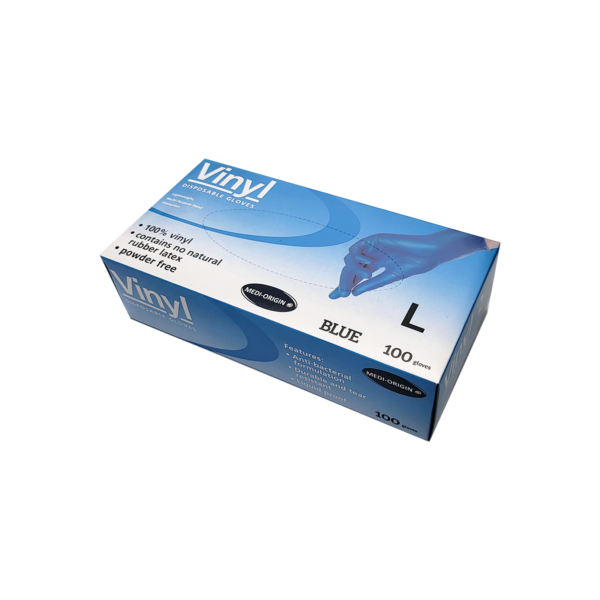
Vinyl powder free gloves are widely used disposable protective gloves in healthcare, food preparation, cleaning, hospitality, retail and other industries where basic hand protection and hygiene are important. Made from polyvinyl chloride (PVC), these gloves provide a convenient barrier against dirt, moisture and certain workplace contaminants.
Unlike powdered vinyl gloves, powder-free versions do not contain added donning powder. This makes them a practical option for workplaces where powder-related contamination needs to be reduced. Their smooth surface, lightweight construction and affordable pricing also make them suitable for businesses that require disposable gloves in large quantities.
Vinyl gloves are particularly popular for short-duration, lower-risk tasks that do not require the same flexibility or durability as some nitrile and latex alternatives. They are available in different sizes and designs to meet various workplace requirements.
However, choosing the right disposable gloves requires an understanding of their material, protective capabilities and limitations. Not every vinyl glove is suitable for medical procedures, food handling or chemical exposure.
This guide explains what vinyl powder free gloves are, how they are manufactured, their benefits, common applications and what to consider when purchasing them.
What Are Vinyl Powder Free Gloves?
Vinyl powder free gloves are disposable gloves made from polyvinyl chloride (PVC), a synthetic plastic material commonly used in protective products and flexible packaging.
They are designed to cover the hands and provide a basic protective barrier during suitable workplace activities.
Traditional powdered gloves contain added powder, often cornstarch, to make them easier to put on and remove. Powder-free vinyl gloves do not contain this added lubricant.
Instead, manufacturers may use surface treatments or other processing methods to make the gloves easier to wear.
Common features of vinyl powder free gloves include:
- PVC-based synthetic material.
- Powder-free construction.
- Smooth and lightweight surface.
- Disposable single-use design.
- Ambidextrous fit in many products.
- Available in different sizes.
- Suitable for selected low-risk applications.
- Cost-effective for regular use.
Vinyl gloves are generally less elastic than latex and nitrile gloves. However, their affordability and convenient design make them a popular choice for tasks where high flexibility and advanced chemical resistance are not essential.
How Are Vinyl Powder Free Gloves Manufactured?
Vinyl gloves are manufactured using polyvinyl chloride resin and other ingredients that help create a flexible glove material.
The manufacturing process involves several stages to produce gloves with consistent dimensions and suitable physical properties.
1. Material Preparation
The process begins with PVC resin and other formulation ingredients.
Plasticisers may be added to improve flexibility because pure PVC is naturally more rigid than the material required for disposable gloves.
The formulation is prepared according to the desired product specifications.
2. Glove Mould Preparation
Manufacturers use hand-shaped moulds, commonly called formers, to create the glove shape.
These moulds are cleaned before being dipped into the prepared PVC material.
3. Dipping and Coating
The formers are passed through the PVC compound to create a glove-shaped coating.
The manufacturing process controls the coating thickness and distribution to achieve the required dimensions.
4. Heating and Curing
The coated formers pass through controlled heating stages.
This helps stabilise the material and develop the physical properties required for the finished gloves.
5. Stripping and Finishing
Once the gloves are formed, they are removed from the moulds.
Their cuffs and surfaces are inspected, and additional finishing processes may be used to improve handling and donning.
6. Quality Inspection and Packaging
Finished gloves undergo quality checks for visible defects, dimensions and other applicable performance requirements.
They are then packaged according to their intended application and product specifications.
Key Features of Vinyl Powder Free Gloves
Understanding the main features of vinyl gloves helps businesses decide whether they are suitable for their workplace.
1. Powder-Free Construction
The most important feature is the absence of added donning powder.
Powdered gloves can release particles during wearing and removal. These particles may spread across nearby surfaces and contribute to contamination.
Powder-free vinyl gloves help reduce this particular source of contamination.
They are therefore a practical option for workplaces that prefer disposable gloves without added powder.
2. Lightweight Material
Vinyl gloves are generally lightweight and easy to wear.
Their construction makes them convenient for short-duration tasks where workers need basic hand coverage without using heavier protective gloves.
3. Smooth Surface
Many vinyl powder free gloves feature a smooth surface that allows users to handle everyday items comfortably.
Some products may also include textured fingertips to improve grip.
The appropriate surface depends on the task and the type of objects being handled.
4. Ambidextrous Design
Most disposable vinyl gloves are designed to fit either hand.
This makes distribution and replacement easier because workers do not need to separate left- and right-hand gloves.
5. Multiple Sizes
Vinyl gloves are commonly available in different sizes, including:
- Extra Small (XS).
- Small (S).
- Medium (M).
- Large (L).
- Extra Large (XL).
Selecting the correct size helps improve comfort and reduces unnecessary stretching during use.
6. Convenient Disposable Design
Vinyl gloves are generally designed for single use.
Workers can replace them between appropriate tasks to support hygiene and reduce the risk of transferring contaminants.
Benefits of Using Vinyl Powder Free Gloves
Vinyl powder free gloves offer several advantages for businesses that need practical disposable hand protection.
Reduced Powder-Related Contamination
Powder-free construction helps reduce the spread of added glove powder across work surfaces.
This can be useful in food preparation, cleaning, healthcare and other environments where maintaining clean working areas is important.
Affordable for Regular Use
One of the main reasons businesses choose vinyl gloves is their relatively economical price.
They can be suitable for organisations that require large quantities of disposable gloves for lower-risk activities.
However, cost should not be the only purchasing consideration. The gloves must provide protection appropriate to the task.
Easy to Distribute and Replace
Vinyl gloves are commonly supplied in convenient boxes and cartons.
Their ambidextrous design makes it easy for employees to take a replacement glove when needed.
This is useful for businesses with multiple workstations and regular glove consumption.
Suitable for Short-Duration Tasks
Vinyl gloves can be appropriate for activities that involve limited exposure and do not require high levels of flexibility or durability.
Their lightweight construction makes them convenient for selected food handling, cleaning and general-purpose tasks.
Latex-Free Material
Vinyl gloves do not contain natural rubber latex proteins.
This makes them a useful option for workplaces seeking to avoid latex exposure.
However, PVC gloves may contain additives or plasticisers that can cause irritation in some individuals.
Practical for Multiple Industries
Vinyl powder free gloves are available in different sizes and packaging options.
This makes them suitable for selected applications across hospitality, retail, food services, cleaning and general commercial operations.
Common Uses of Vinyl Powder Free Gloves
Vinyl gloves are used in different industries where basic disposable hand protection is appropriate.
Their suitability depends on the exposure risks and the product’s intended application.
Food Preparation and Hospitality
Restaurants, cafes, catering companies and food preparation businesses may use vinyl powder free gloves for selected food handling activities.
They can help reduce direct hand contact with food products and support workplace hygiene practices.
However, food businesses should select gloves that comply with applicable food-contact requirements.
Gloves should also be changed between tasks where contamination could occur. Wearing gloves does not replace proper handwashing.
Cleaning and Janitorial Services
Cleaning professionals may use vinyl gloves for light cleaning activities involving water, dirt and suitable cleaning products.
Their disposable design makes replacement convenient between tasks.
However, vinyl gloves are not suitable for every cleaning chemical. For stronger detergents, solvents or concentrated chemicals, workers should use gloves specifically tested for the substances involved.
Healthcare and Medical Facilities
Certain medical facilities use vinyl examination gloves for selected lower-risk activities.
They may be appropriate for tasks where the product meets the relevant medical requirements and the expected exposure is suitable.
However, vinyl gloves generally offer less elasticity and durability than nitrile or latex gloves.
Healthcare professionals should select gloves according to clinical requirements and applicable medical device regulations.
Retail and General Commercial Work
Retail employees may use disposable vinyl gloves when handling suitable products or performing tasks that require basic hand coverage.
Their affordable pricing and easy replacement make them practical for selected short-duration activities.
Beauty and Personal Care Services
Beauty salons and personal care businesses may use vinyl gloves for selected treatments involving cosmetics and non-hazardous products.
However, the material should be checked for compatibility with the products being used.
For treatments involving chemicals, dyes or solvents, a more suitable glove material may be necessary.
Food Packaging
Food packaging facilities may use powder-free vinyl gloves for selected lower-risk packaging tasks.
They can help support hygiene practices when employees handle suitable products and packaging materials.
Businesses should ensure that the specific glove is suitable for the intended food-contact application.
Vinyl Powder Free Gloves vs Powdered Vinyl Gloves
Both products are made from PVC, but they differ in how they are manufactured and prepared for use.
Powder-Free Vinyl Gloves
Powder-free gloves do not contain added donning powder.
They are commonly selected for workplaces where powder-related contamination should be reduced.
Their surfaces may receive special treatments to improve donning.
Powdered Vinyl Gloves
Powdered vinyl gloves contain an added lubricant, commonly cornstarch, to make them easier to put on and remove.
However, powder can spread across work surfaces and contribute to contamination.
Which Option Is Better?
Powder-free vinyl gloves are generally preferred in workplaces where added powder is undesirable.
They are particularly useful in food preparation, cleaning and selected healthcare applications.
The final choice should depend on workplace hygiene requirements and the product’s intended use.
Vinyl Powder Free Gloves vs Nitrile and Latex Gloves
Vinyl, nitrile and latex gloves have different material properties.
Understanding these differences helps businesses select appropriate disposable hand protection.
Vinyl Gloves
Vinyl gloves are made from PVC.
They are generally economical and suitable for selected lower-risk, short-duration activities.
However, they usually provide less elasticity, a looser fit and lower puncture resistance than comparable nitrile and latex gloves.
Nitrile Gloves
Nitrile gloves are made from synthetic rubber.
They generally provide better elasticity and puncture resistance than vinyl gloves of comparable disposable use.
They are commonly selected for healthcare, automotive, laboratory and industrial applications.
Their chemical resistance depends on the specific formulation and exposure conditions.
Latex Gloves
Latex gloves are manufactured from natural rubber.
They offer excellent flexibility and tactile sensitivity, making them suitable for tasks requiring precise hand movements.
However, natural rubber latex proteins can cause allergic reactions in sensitive individuals.
Which Gloves Should You Choose?
Vinyl gloves may be suitable for lower-risk tasks where affordability and basic hand coverage are important.
Nitrile gloves are often preferred when greater durability and a latex-free synthetic material are required.
Latex gloves may be appropriate when flexibility and tactile sensitivity are priorities and latex allergy risks have been addressed.
Always select gloves according to the actual task and required protection level.
How to Choose the Right Vinyl Powder Free Gloves
Not all vinyl gloves offer the same quality or performance. Before purchasing, businesses should consider the following factors.
1. Choose the Correct Size
Gloves should fit comfortably around the fingers and palm.
A glove that is too tight may stretch excessively and become more likely to tear. An oversized glove can affect grip and handling.
Check the manufacturer’s sizing guide before ordering.
2. Check Material Quality
Look for gloves with consistent material thickness, smooth surfaces and properly finished cuffs.
Poor manufacturing quality can affect glove durability and fit.
3. Consider Glove Thickness
Thickness can influence durability and flexibility.
Thicker gloves may offer greater resistance to everyday wear in some applications, while thinner options may provide better comfort and movement.
However, vinyl glove thickness does not automatically indicate suitability for medical or chemical protection.
4. Review Grip Requirements
Most vinyl gloves have smooth surfaces, although some products feature textured fingertips.
If employees handle wet objects or small items, consider whether the available surface texture provides sufficient grip.
5. Check Medical or Food-Contact Requirements
If the gloves will be used in healthcare, verify that they meet the relevant medical examination glove requirements.
For food handling, confirm that the product is suitable for food contact under the applicable regulations.
Do not assume that every powder-free vinyl glove is approved for medical or food applications.
6. Consider Packaging
Vinyl gloves are generally supplied in boxes and larger cartons.
Consider the number of gloves per box, storage space and daily consumption when choosing packaging quantities.
7. Select a Reliable Manufacturer
Choose a manufacturer or supplier that provides clear product information and consistent quality.
Review material specifications, available sizes, manufacturing quality and relevant documentation.
For bulk orders, requesting samples can help evaluate comfort and fit before purchasing.
Are Vinyl Powder Free Gloves Safe for Sensitive Skin?
Vinyl gloves do not contain natural rubber latex proteins, making them a suitable alternative for many people who need to avoid latex exposure.
However, this does not mean that every vinyl glove is suitable for all sensitive skin types.
PVC formulations may contain plasticisers and other additives. Some individuals may experience irritation or skin reactions after contact with certain glove materials.
Common symptoms may include:
- Redness.
- Itching.
- Dryness.
- Skin irritation.
- Discomfort after prolonged use.
People experiencing repeated skin reactions should stop using the suspected product and seek appropriate medical advice.
Choosing suitable gloves, maintaining hand hygiene and avoiding unnecessarily prolonged use can help support skin comfort.
How to Wear and Dispose of Vinyl Gloves Correctly
Correct glove use is important for maintaining hygiene and reducing contamination risks.
Before Wearing Gloves
Wash and dry your hands before putting on gloves.
Check the packaging and inspect each glove for visible damage.
Choose the correct size and confirm that the product is suitable for the task.
While Wearing Gloves
Avoid touching unnecessary surfaces when performing hygiene-sensitive activities.
Replace gloves when they become torn, contaminated or damaged.
Change gloves between tasks when required to prevent cross-contamination.
Remember that disposable gloves do not replace handwashing.
Removing Vinyl Gloves
Remove gloves carefully to avoid touching their potentially contaminated outer surfaces.
Follow the recommended glove removal procedure used in your workplace.
Proper Disposal
Dispose of used gloves according to applicable workplace waste procedures.
Gloves exposed to infectious or hazardous materials may require specific disposal arrangements.
Never wash or reuse disposable vinyl gloves.
Why Businesses Should Buy Vinyl Powder Free Gloves in Bulk
Businesses that use disposable gloves regularly may benefit from purchasing them in bulk.
Wholesale purchasing can help simplify procurement and maintain suitable stock levels.
Some important purchasing considerations include:
Consistent Product Quality: Work with manufacturers that maintain clear product specifications and quality control procedures.
Bulk Pricing: Compare prices across different order quantities to understand the available purchasing options.
Multiple Sizes: Maintain sufficient stock of different sizes to accommodate employees.
Reliable Availability: Choose suppliers that can support regular orders and ongoing requirements.
Suitable Packaging: Check the number of gloves per box and carton to make inventory planning easier.
Product Documentation: Request relevant specifications and supporting documents for medical or food-contact applications.
Frequently Asked Questions About Vinyl Powder Free Gloves
1. What are vinyl powder free gloves used for?
Vinyl powder free gloves are used for selected food preparation, cleaning, retail, hospitality and general-purpose activities. They provide basic disposable hand protection against dirt, moisture and certain contaminants.
2. What material are vinyl powder free gloves made from?
They are made from polyvinyl chloride (PVC), a synthetic plastic material. Plasticisers may be added during manufacturing to improve flexibility.
3. Are vinyl powder free gloves latex-free?
Yes. Vinyl gloves do not contain natural rubber latex proteins. They are commonly selected by workplaces seeking an alternative to latex gloves.
4. Are powder-free vinyl gloves suitable for food handling?
Some vinyl gloves are suitable for food handling if they meet the relevant food-contact requirements. Always check the manufacturer’s specifications before using them with food.
5. What is the difference between powdered and powder-free vinyl gloves?
Powdered vinyl gloves contain added donning powder to make them easier to put on and remove. Powder-free vinyl gloves do not contain this added powder and are generally preferred where powder contamination is a concern.
6. Are vinyl gloves better than nitrile gloves?
Not necessarily. Vinyl gloves are generally more economical and suitable for selected lower-risk tasks. Nitrile gloves usually offer better flexibility and puncture resistance, making them more suitable for many demanding applications.
7. Can vinyl powder free gloves be used in hospitals?
Some vinyl examination gloves are suitable for selected healthcare applications when they meet relevant medical requirements. They are generally less durable than nitrile gloves and may not be suitable for every clinical procedure.
8. Are vinyl gloves chemical-resistant?
Vinyl gloves offer limited resistance to certain substances, but they are not suitable for every chemical. Always check the manufacturer’s compatibility information before handling chemicals.
9. Can vinyl gloves be reused?
No. Disposable vinyl gloves are designed for single use. Washing or reusing them may compromise their protective properties and increase contamination risks.
10. Do vinyl powder free gloves provide good protection?
They provide a basic barrier for suitable lower-risk activities. However, their protection is generally more limited than that of many nitrile or latex alternatives. The correct choice depends on the task and exposure risk.
11. What sizes are available for vinyl powder free gloves?
They are commonly available in Extra Small, Small, Medium, Large and Extra Large sizes. Availability varies by manufacturer.
12. Where can businesses buy vinyl powder free gloves in bulk?
Businesses can purchase them from disposable glove manufacturers, medical equipment wholesalers and PPE suppliers. Before ordering, compare product quality, size availability, packaging quantities and relevant documentation.
Conclusion
Vinyl powder free gloves are a practical and economical option for businesses that need disposable hand protection for selected lower-risk activities. Their PVC construction, lightweight design and powder-free surface make them useful in food preparation, hospitality, cleaning, retail and other commercial environments.
Although they offer several advantages, vinyl gloves are not suitable for every task. They generally provide less flexibility and durability than nitrile and latex alternatives, so businesses should consider their workplace requirements before purchasing.
When selecting vinyl powder free gloves, focus on material quality, correct sizing, product specifications and intended use. Choosing a suitable manufacturer or supplier can also help businesses maintain consistent product quality and reliable stock availability.